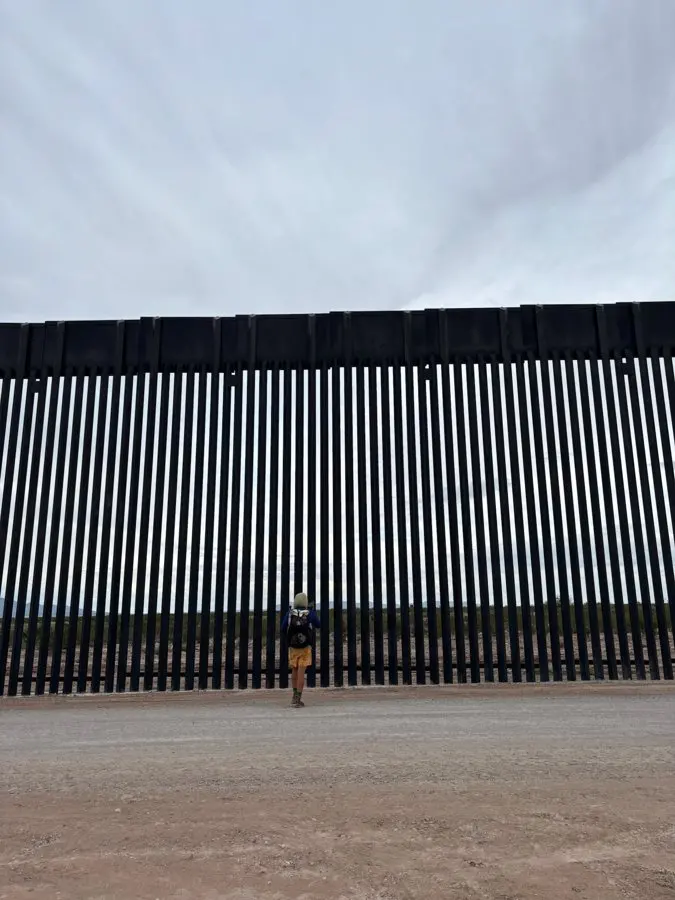
There are easier ways to finish a 3,100-mile trek than arriving at a militarised construction zone. But for thru-hikers completing the Continental Divide Trail, that's exactly what awaits at the southern terminus in New Mexico — a monument now hemmed in by expanding border wall infrastructure.
The final instalment of a hiker writing as "Zooks" for The Trek captures the strange ending. Days before the finish, access to the official terminus was uncertain: border conditions had tightened, and plans for a double wall — a second thirty-foot steel fence trapping anyone between the two lines — threatened to close the spot off entirely. The original plan had been simple: apply weeks in advance for a National Defense Area visitor pass, check in, touch the stone spike marking the trail's end.
Then the word came that access was cancelled. Resourceful hikers responded in the best tradition of long-distance walking: two of them built a cardboard replica of the terminus monument and carried it more than 100 miles, ready to install against the wall wherever they were allowed to stop.
As it turned out, the real thing was reachable. Hikers a couple of days ahead found a route around to a cattle guard beside the construction site, where nobody official seemed to mind. When Zooks arrived, a security guard let the group in once a digger moved down the line. The last hundred yards passed in silence, and the group reached the sun-warmed obelisk — some of them completing the coveted Triple Crown of America's long trails (the Appalachian, Pacific Crest and Continental Divide Trails).
The account is as much reflection as trip report. The writer notes the wall's odd physics — hand claps ricochet down the angled steel beams like sci-fi laser fire — and its ecological cost, cutting off jaguars, oryx and other wildlife that have moved across that land for millennia without regard for national borders. The monument itself carries an inscription, "The Trail Unites Us," now overshadowed by the very structure it stands between.
There's also the familiar post-hike emptiness that anyone who has finished a big trek will recognise: weeks of total purpose, then a pickup truck, a bed of backpacks, and the question "now what?" Zooks turned 30 that day, sitting in the truck bed watching lightning over Mexico, already thinking about the next thru-hike.
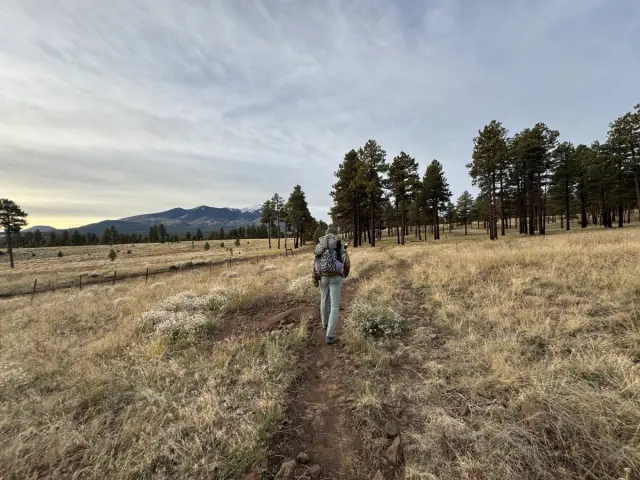
Why does this matter to travellers? The Continental Divide Trail remains one of the world's great long-distance walks — five months through Montana, Idaho, Wyoming, Colorado and New Mexico, from the Canadian border to the desert south. But its southern terminus is now an active border security zone, and access rules shift with little notice. Anyone planning a CDT thru-hike or even a final-section day hike near Columbus, New Mexico, should check current access conditions close to their date, and expect the ending to look very different from older guidebook photos.
It's a reminder that even iconic routes change underfoot — and that the best hiking communities adapt, whether with detours, cattle guards or cardboard monuments. — The Trek