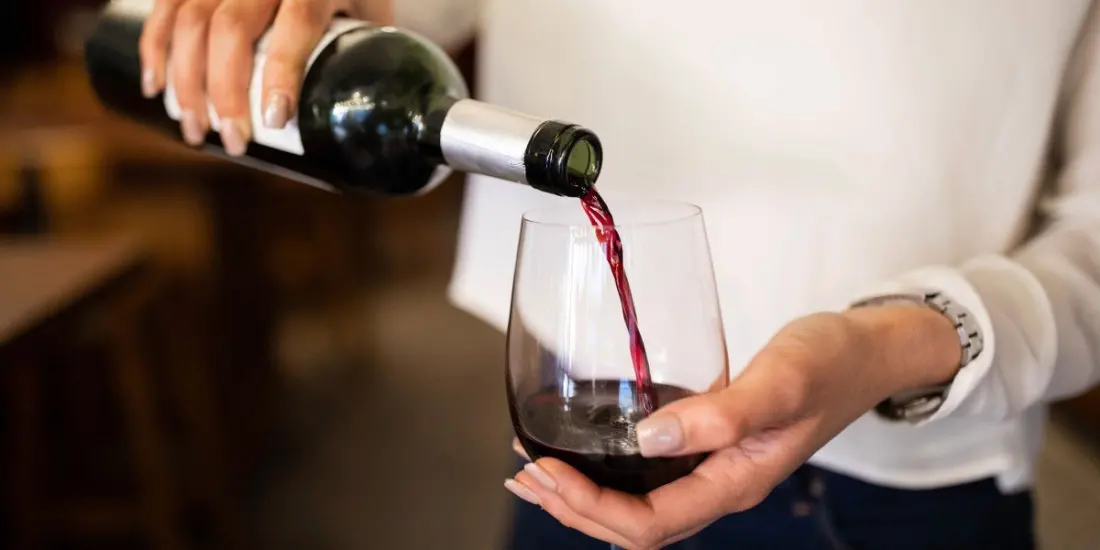
Great wine doesn't require a triple-digit budget — that's the consensus from two American wine pros who spend their careers tasting bottles for a living. Juan Pablo Trillo Molina, wine director at The Tasting House Wine Bistro in Los Gatos, California, and Chris Tanghe, a master sommelier who owns shops in Seattle, both argue that price mostly reflects scarcity and reputation, not how much you'll enjoy what's in the glass.
Their first rule of thumb: shop in the $25 to $45 range. According to Molina, that's where an enormous amount of genuinely good wine sits. Plenty of solid bottles exist under $20, but they take more effort to find, and value can work the other way too — a $50 bottle that drinks like an $80 one is still a bargain.
Where you shop matters as much as what you spend. Burgundy's prestige comes at a steep price, so Tanghe points value hunters toward France's Loire Valley instead. He calls Spain grossly underpriced overall, and singles out Portugal and Austria as consistent over-deliverers — going so far as to say Austria has the best average quality of any wine country in the world. The same trick works in the US: buy from regions just outside famous appellations, since great vineyards don't stop at an official boundary. Molina's pick list includes Anderson Valley, Paso Robles, Santa Barbara County and the Santa Cruz Mountains.
Grape choice is another lever. Skip the expensive, fashionable Cabernet Sauvignon and try Chenin Blanc, Riesling, Gamay, Cabernet Franc, Grenache or Albariño — plus, Molina suggests, many Italian and South American bottles that punch well above their price.
Finally, use the humans. A good wine shop has tasted everything it stocks, so asking a staff member for a great Pinot under a set price usually beats scrolling reviews alone. Look for a curated selection rather than hundreds of labels — if staff can explain why a bottle earned its shelf spot, that's a good sign. Apps like Vivino and Wine-Searcher are useful for tracking what you've enjoyed, but a trusted shop person learns your taste over time rather than just aggregating what everyone else liked.
For travellers, the overlap with holiday planning is obvious: these are exactly the regions where a tasting room pour costs a fraction of Napa or Burgundy, and where a restaurant bottle list won't induce a wince. Keep the tips in your back pocket the next time you're browsing shelves in Paso Robles, the Loire, Porto or a Viennese wine bar — or just stocking up at home before a trip.