A year-long legal spat between a Swedish tourism association and its own government has ended in court — and in the tourism industry's favour. The Administrative Court in Jönköping has ruled that the Swedish Board of Agriculture must release more than SEK 2 million in withheld funding to Naturturismföretagen, the Swedish Nature and Ecotourism Association.
The dispute began in October 2025, when the agency abruptly demanded that the association repay SEK 5 million in project funding — money it had already paid out for a project that had, by then, been completed. The original award in 2022 totalled SEK 7 million, and the agency had released SEK 5 million of it before changing course. The sudden demand for repayment pushed the non-profit into what it described as an acute financial crisis, with the remaining SEK 2 million frozen.
The timing made it stranger still. When the funding was approved back in 2022, the stated aim was to help the association move toward stable, independent operations. Retrospectively cancelling the project in 2025 seemed to undercut that goal entirely. The court saw it the same way: it found no basis for the agency's claim that the project breached its funding conditions, either in the project terms or in the EU regulations the agency had cited. After the ruling, the Board of Agriculture withdrew its termination of the project and said it would process the outstanding payments.
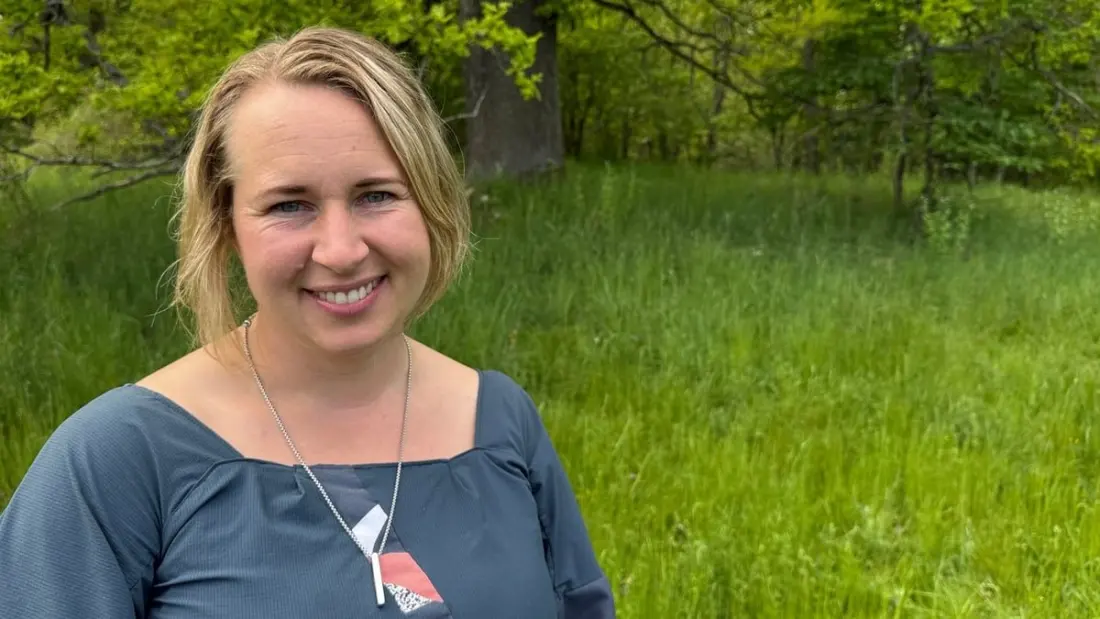
"Nature is Sweden's biggest tourism draw," said Linda Vismer, the association's chair, who called the ruling the only reasonable outcome and said the organisation can now focus on welcoming more members and partners after a difficult year.
Why does this matter beyond the boardroom? Because the stakes are huge. Nature tourism generates around SEK 200 billion a year in Sweden — half of the country's entire tourism revenue. The association represents 300 member and partner businesses and runs Nature's Best Sweden, a quality label for nature and cultural tourism operators. Its stability directly affects the guides, lodges and outfitters that visitors actually book with, from Arctic dog-sledding camps in Lapland to kayaking operators on the Baltic coast.
For travellers, the practical upshot is continuity. The operators behind Sweden's signature outdoor experiences — hiking the King's Trail, paddling the archipelagos, spotting wildlife in the vast boreal forests — now have a healthier industry body backing quality standards and development. A weakened association could have meant less support for sustainable tourism businesses, particularly small ones in rural areas that depend heavily on it.
The case is also a reminder of how fragile funding can be for non-profit tourism organisations, even those underpinning half a nation's tourism income. The association says it will now push to grow membership and develop the industry with partners, with the legal drama finally behind it.
For anyone planning an outdoors-focused trip to Sweden, the message is reassuring: the infrastructure of quality-assured nature tourism remains intact, and arguably stronger for having survived the fight.