A day hike many Los Angeles residents do in shorts turned deadly on November 22, when Guillermo Alejandro Batres slipped on ice near the summit of Mount Baden-Powell and fell roughly 500 feet down a steep gulch. According to a GoFundMe set up by his niece, Batres was trying to help his son, who had slipped moments earlier, when he lost his footing. The pair had hit snow and ice about three miles from the Vincent Gap trailhead, and authorities called in the sheriff's Air Rescue 5 helicopter to recover his body.
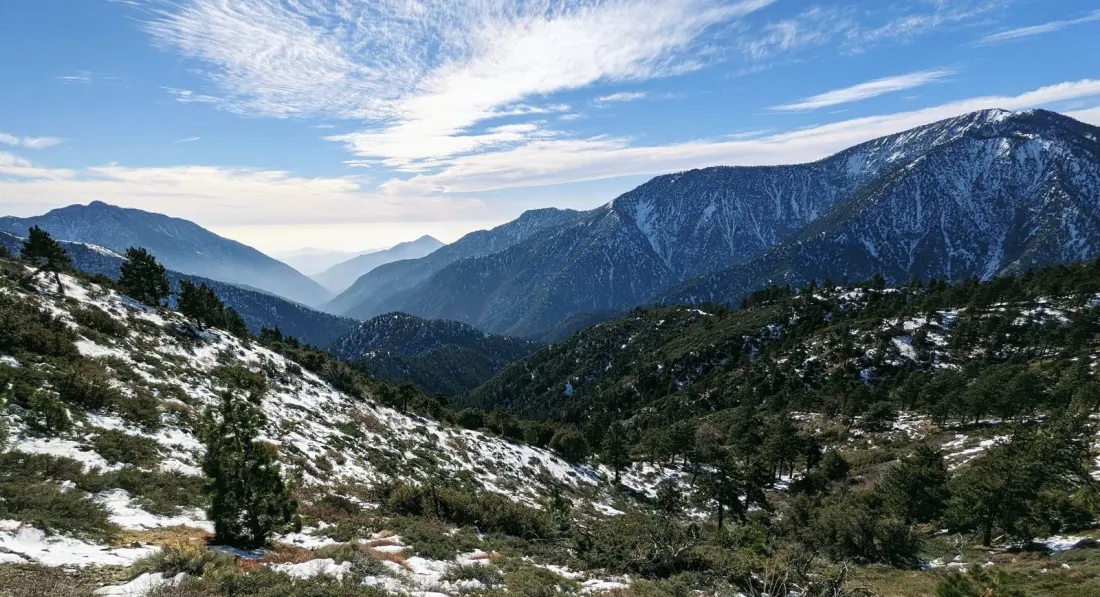
Baden-Powell, a 9,399-foot peak in the San Gabriel Mountains within Angeles National Forest, is one of Southern California's classic warm-weather climbs. The standard route follows the Pacific Crest Trail for about four miles from Vincent Gap, gaining over 2,800 feet through 35 wooded switchbacks before an exposed ridge to the top. In summer, a slip usually means scraped knees and gravel. In winter, says local hiking expert Cris Hazzard, who has climbed the peak dozens of times, the same stumble can send you sliding hundreds or thousands of feet with nothing to stop you.
The problem is deceptive. The mountain's north-facing slopes get little direct sun, so snow lingers there, and warm days followed by freezing nights turn it into slick ice patches. Because the trailhead is barely 90 minutes from LA, hikers keep showing up with summer assumptions and no traction gear. Even Batres, who had summitted before, was caught out. As Hazzard puts it, the hike you did in July becomes a mountaineering exercise once snow arrives.
It was not an isolated incident. Just a day earlier, rescuers pulled a hiker off Baden-Powell after a 300-foot slide down a snowy chute — a rescue nearly scuppered by bad GPS coordinates and closing weather. Past winters have brought similar falls, including a 2016 airlift after a 100-foot slide, while nearby Mount Baldy saw three hiking deaths in the first week of January 2026.
Hazzard's advice is blunt: he no longer climbs Baden-Powell in winter, even with crampons and experienced partners. He suggests either getting formal mountaineering training before touching a snowy summit, or saving winter for lower, safer terrain — the desert trails around Joshua Tree and Palm Springs are at their best this time of year anyway. The takeaway for anyone planning a Southern California hike between roughly November and March: check conditions above 8,000 feet, carry microspikes and an ice axe if you do go, and treat any icy high peak with the respect you'd give serious mountain terrain, not a weekend stroll.