Two powerful Pacific hurricanes are disrupting travel and daily life on opposite sides of the ocean this weekend, and anyone with trips booked to Hawaii or Mexico's Pacific coast should be paying close attention.
Hurricane Nolo was churning about 145 miles south of Hawaii's southernmost point on Friday, with sustained winds of 105 mph and strengthening expected into Saturday. Forecasters say parts of the Big Island could see up to 15 inches of rain, with isolated spots hitting 25 inches — a grim prospect for the same southeastern region still sodden from August's Hurricane Lala. Storm surge of one to three feet, flash flooding, mudslides and downed trees and power lines are all in the forecast, and neighbouring Maui faces a risk of life-threatening flooding too.
The response has been swift. President Donald Trump approved an emergency declaration, the governor activated more than 230 National Guard members, and schools closed in some areas. In Hilo, residents lined up for sandbags at Francis Wong Stadium while nonprofits shipped camp stoves and hygiene supplies from Oahu. Hilo International Airport was down to a single carrier by Friday afternoon after Southwest cancelled flights, leaving Hawaiian Airlines as the only option out — a reminder of how quickly island air links can collapse in a storm.
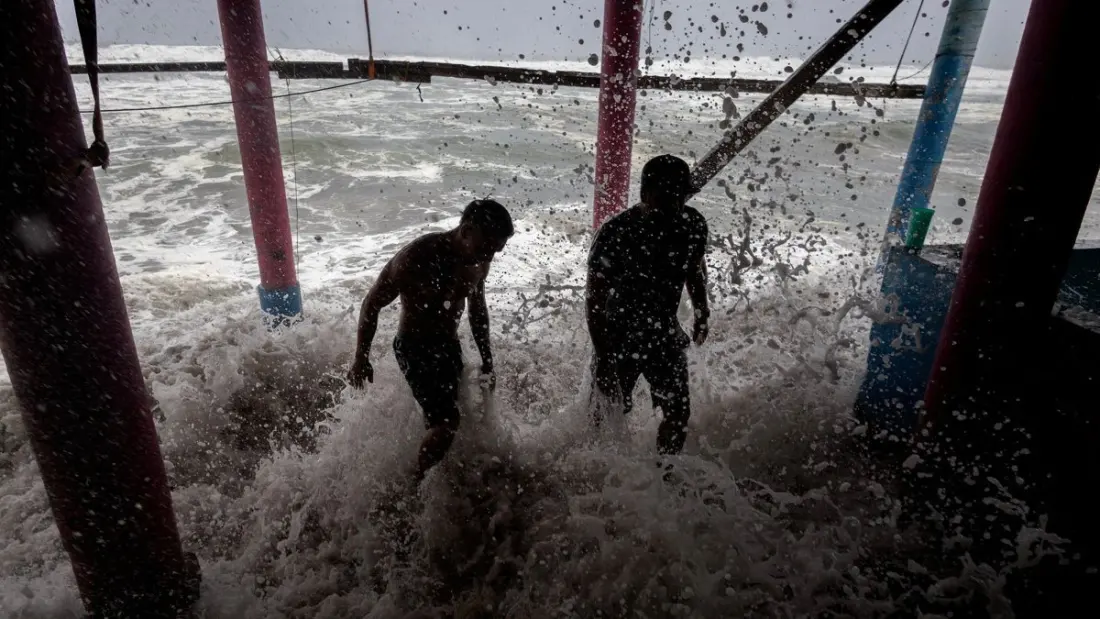
Meanwhile, Mexico is dealing with Hurricane Polo, which intensified dramatically overnight into Friday with estimated winds of 175 mph. It has already lashed the Pacific coast, sending seawater through homes in the port city of Lázaro Cárdenas in Michoacán and wrecking a beachfront restaurant with 15-foot waves. Authorities have closed regional ports, opened shelters, evacuated beaches and deployed 15,000 security personnel, with landfall on the Baja California peninsula expected between Monday and Tuesday. Polo's moisture could even trigger scattered flash flooding as far north as Arizona and New Mexico early next week.
There's a third system too: Category 4 Hurricane Odalys is spinning well offshore, nearly 1,000 miles from Baja California, and poses no immediate land threat. Behind it all sits El Niño, which tends to suppress Atlantic storms but turbocharge cyclone activity in the Pacific — hence the crowded basin this September.
If you're travelling to or within Hawaii or along Mexico's Pacific coast in the coming days, expect flight cancellations, port closures and road disruptions, and check directly with airlines and local authorities before moving. Travellers already in affected areas should follow shelter-in-place advice, avoid coastal water entirely, and keep an eye on updates from the National Hurricane Center. Flexibility is the order of the week: rebooking windows and travel insurance are worth more than a fixed itinerary right now.
Story reported by the Associated Press via Daily Sabah Travel.