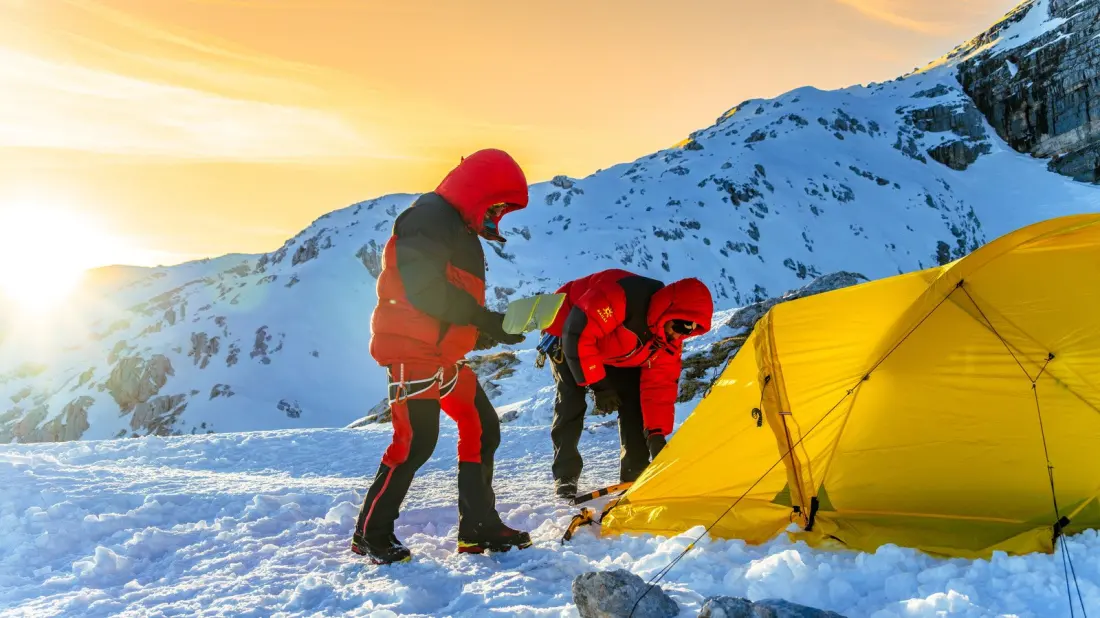
Cold nights are the main reason campers pack their gear away in autumn — but a new generation of heated sleeping bags is giving fair-weather types a reason to stay out in the frost. The idea used to mean bulky battery packs and awkward cables running through your bag. Now the tech is lighter, slimmer and genuinely practical, and it can be the difference between a shivering night and a proper sleep under snowy trees or next to a frozen lake.
The pick of the current crop includes the Antarctica Gear Heated Sleeping Bag, a rectangular model rated 4.1 stars on Amazon that fits campers up to 6-foot-8. Its heating elements cover five zones — shoulders, back, hips and feet — targeting the spots that get coldest first. Heat levels are adjustable, the bag is light enough to carry on the trail, and it's machine-washable, which is rarer than it sounds.
Hikers who count every gram might prefer Mantuole's Heated Sleeping Bag. It's a mummy-style design, lighter and typically cheaper than the Antarctica Gear bag. The catch: no battery included, though it runs off standard power banks and phone chargers, so most people already own the kit to power it.
For those driving to camp rather than hiking in, the KingCamp Freespace Heating 250 goes for comfort over minimalism. It heats up in seconds, has a water-resistant shell and a flannel lining inside — the kind of bag you buy for cosy car camping, not summit pushes.
There are three things worth weighing up before buying. First, weight: heating elements and batteries add heft, so thru-hikers should go light while car and van campers can afford something bulkier. Second, power: check whether the bag includes its own battery or needs an external power bank, and how long it takes to charge fully — getting this wrong means a cold night regardless of the tech. Third, shape: mummy styles are efficient and snug, while rectangular or envelope cuts suit anyone who feels cramped in a tapered bag.
For travellers, this is a straightforward gear upgrade that opens up shoulder-season and winter trips: think frosty mornings in the Alps, aurora camps in Scandinavia, or simply stretching the camping season at your local site into November. Anyone who has abandoned a trip because the forecast dipped below freezing is exactly who these bags are for.