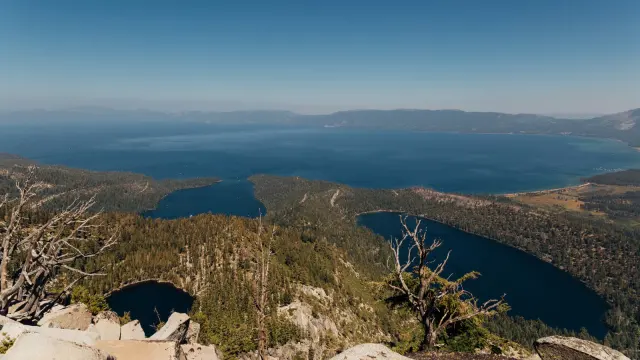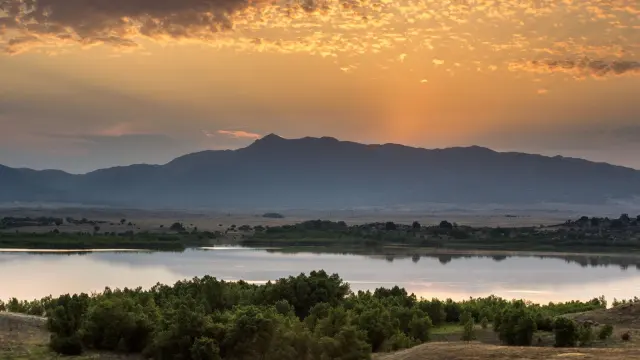
Kyrgyzstan is one of Central Asia's most appealing budget destinations — alpine lakes, horse-trek country around Song-Kul, and Bishkek's cheap, lively food scene. But a new report from the Eurasian Fund for Stabilization and Development suggests visitors shouldn't expect prices to stay frozen at old levels for long.
The EFSD forecasts average inflation of around 11.1 to 11.6 percent in 2026, easing to 8.7 percent in 2027, and doesn't see it back inside the National Bank's 5–7 percent target until 2028 or 2029. Three forces are driving it: an economy running hot, rising electricity tariffs, and more expensive fuel and lubricants. Food and energy costs plus strong domestic demand round out the pressure.
The central bank is responding by holding its discount rate at 12 percent and mopping up excess cash through note issuance. Yet lending keeps booming — commercial bank loan portfolios grew 42.2 percent by end-August 2026 — and the share of bad loans has climbed to 11.3 percent, its worst since 2024. The budget deficit is projected at 3.2 percent of GDP in 2026, partly because of heavy spending on state enterprises, including a 60 billion som recapitalization of ABank funded by growing domestic borrowing.
There are wider pressures that touch travellers indirectly. Remittances from Russia, long a pillar of household income, dropped 11.6 percent amid tighter migration rules, and the current account gap has widened as gold export growth stays modest. The national bank has been selling foreign currency — over $2.2 billion in November alone — leaving gross international reserves at $8.2 billion. That still covers about 6.4 months of key imports, so the external position remains stable for now.
For holidaymakers, the practical takeaway is simple. Kyrgyzstan remains one of the best-value destinations in the region — guesthouses, shared taxis and food are still cheap by European standards — but expect year-on-year price creep in transport, fuel surcharges on long overland routes, and utility-linked costs at hotels. The som has been volatile, so carrying some cash in euros or dollars and changing locally usually beats relying on card payments outside Bishkek. If you're planning a multi-week trekking trip through Naryn, Issyk-Kul or the Alay valley, budgeting with a modest buffer for rising fuel costs is a sensible move. The good news: none of this changes what makes the country special, and the report suggests the squeeze should gradually ease from 2027 onward.