
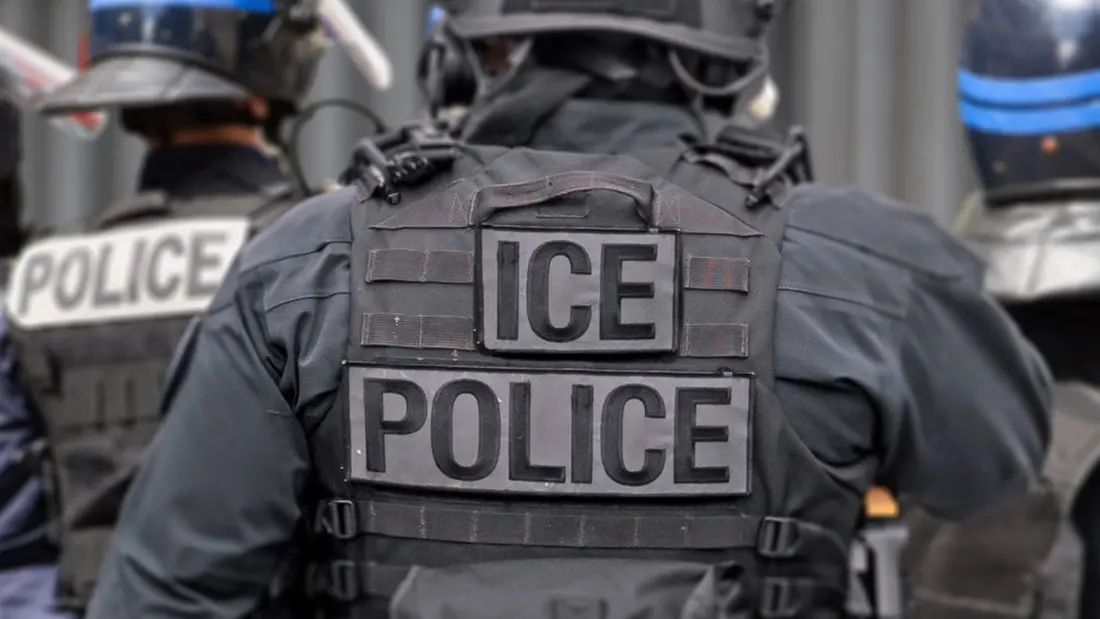
Five families camping near Granite Falls in Washington State over Labor Day weekend say their trip ended with a midnight immigration raid — and outdoor groups worry the incident could make people think twice about camping on public land at all.
According to a report by Outside Online, the families were approached during the day by people who identified themselves as US Forest Service rangers. They say the apparent rangers raised a garbage issue, handed down a "warning," and requested ID from every adult in the group. The families handed over their identification, believing it was routine. Around midnight, agents allegedly shook their tents and arrested five men. The Department of Homeland Security confirmed ICE arrested the five during a joint operation with the Forest Service, saying two had previously received voluntary returns to Mexico, one had driving-related charges, and two had entered the country at an unknown time and place. All five remain in custody pending removal proceedings.
The Forest Service says its law enforcement officers don't enforce immigration law themselves but do collaborate with agencies that do, including through checkpoints and targeted enforcement. Critics argue that line is getting blurred. Immigration attorney Reuben S. Kerben told Outside that this kind of interagency cooperation was once unusual but has become commonplace since the second Trump Administration. The Sierra Club's Outdoors for All campaign and GreenLatinos both condemned the arrests, with the Sierra Club asking why limited agency resources are being used to target families on recreation land. Notably, this came less than six weeks after a similar joint operation at the Wilson Creek Recreation Area in North Carolina's Pisgah National Forest, which led to 13 arrests.
There's a practical takeaway here for anyone camping on US federal land. Kerben explains that federal officers — whether Forest Service, BLM, or National Park Service — don't need a warrant, probable cause, or even suspicion to approach an open campsite and start a conversation. But they can't simply search your tent, RV, or personal space without your consent or a legitimate reason like an emergency or evidence of a crime. And crucially, the Fifth Amendment right to remain silent applies to everyone on American soil, regardless of citizenship or immigration status. Answering questions about your country of origin, however, can open the door to further immigration scrutiny, so campers should know they're not obligated to answer. Due process protections, Kerben notes, apply to citizens, visa holders, visitors, and undocumented people alike.
Why does this matter to travellers? For campers, road-trippers, and outdoor families — particularly those from immigrant communities — the story signals that public lands may not feel as neutral or welcoming as they once did. Advocates fear that if campgrounds become associated with immigration enforcement, families will simply stay away, which chips away at the open-access ethos of America's national forests. Whether or not you're personally affected, it's worth knowing your rights at a campsite: you can decline to answer questions, and your tent is not an open invitation for a search.