
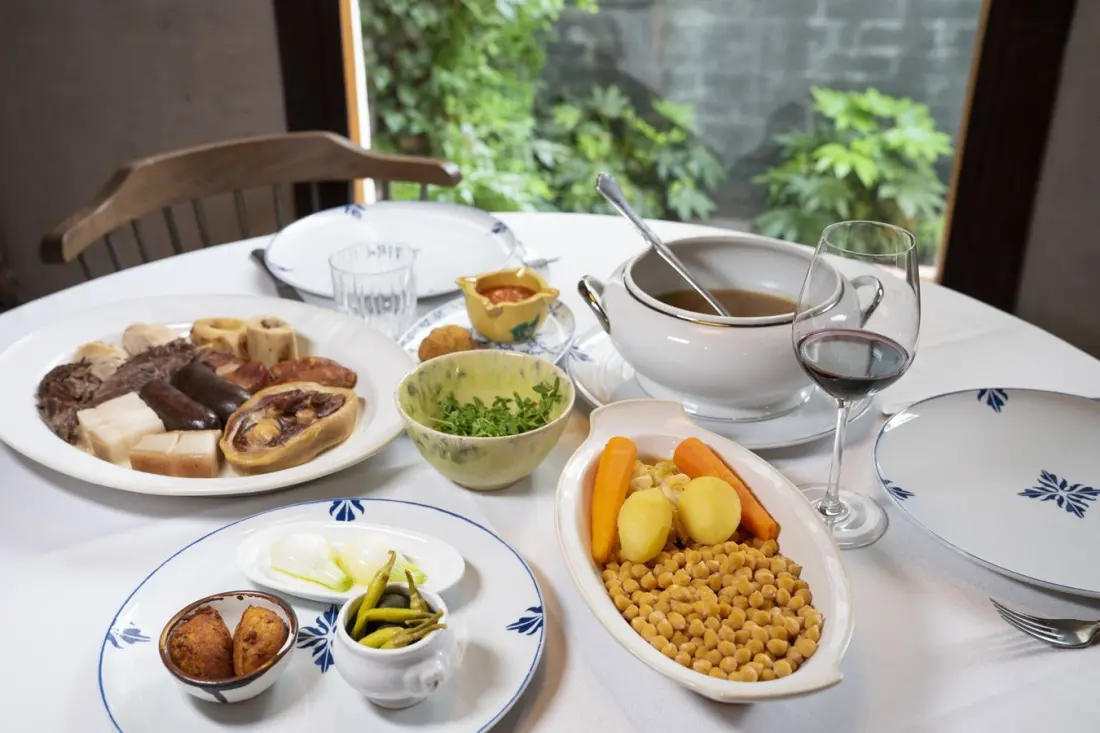
A Saturday morning in Salesas, 37°C outside, and a culinary consultant with a shattered ankle shows up bristling with energy and a phone crammed with hundreds of Google Maps pins. That's Patricia Mateo, the force behind some of Spain's most influential food ventures, and she's the guide in a new Roads & Kingdoms piece on eating your way through Madrid.
The premise matters as much as the pins. For decades, Spain's fine-dining reputation lived in the north — Catalonia and the Basque Country collected the stars while Madrid was written off as a landlocked distribution hub, a market city moving the country's raw ingredients around rather than cooking anything worth crossing borders for. That story has flipped. Madrid now counts 31 Michelin-starred restaurants, more than any other Spanish city, layered on top of a stock of centuries-old taverns and historic markets that never actually went anywhere.
Mateo is one of the people who engineered that flip, which is what makes her itinerary interesting rather than just another list. The article follows her through a city she clearly knows at supplier level — the piece teases her picks for the best under-the-radar steak suppliers and the clandestine bars locals keep quiet about, the kind of intel that doesn't surface on standard top-ten lists. The full guide sits behind Roads & Kingdoms' membership paywall, which starts at $6.50 a month and also buys twice-weekly features and access to in-person events.
Even the framing details are useful for travellers. The meeting happens at 10 am on a weekend in Salesas, described here as an elegant, quiet corner of the city in the morning — a reminder that Madrid runs on its own clock, with bars and restaurants that barely stir before noon and hit stride long after most European cities have closed up. And the nine-thousand-steps-on-a-broken-ankle detail is a fair warning: this is a walking city, best eaten across neighbourhoods rather than in one sitting.
For anyone planning a Madrid trip right now, the takeaway is simple. Come hungry, look beyond the north-of-Spain assumptions, and treat the capital as a destination in its own right rather than a stopover between Barcelona and San Sebastián. The Michelin count says the fine dining is there; the taverns and markets say it's built on something older. Mateo's map is the bridge between the two — and a good argument that the most interesting Madrid addresses are the ones shared quietly, pin by pin, over a slow morning glass of wine.