Guam — Guåhan in the native tongue — has been fought over for centuries, and its Indigenous people have never stopped pushing back. In the Marianas archipelago, the CHamoru community is now pairing that long resistance with a new front: climate justice, led through ceremony, language and music rather than policy papers.
The pressures are stacked. Sacred ancestral land has been taken for military use, including live-fire training ranges, while deep-sea mining interests eye the surrounding waters. Add a rising cost of living that is pushing local families off land their ancestors farmed for thousands of years, and the stakes are clear. For over 350 years the CHamoru have endured occupation, bans on their language and suppression of their spiritual traditions — and today's version looks a lot like militarisation, extraction and displacement.
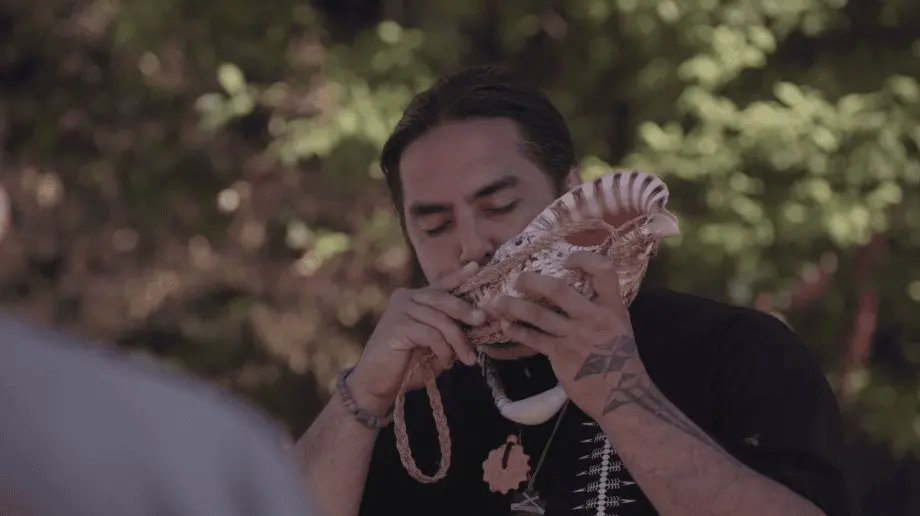
Enter Dakota Camacho, a multi-disciplinary artist and Matao cultural practitioner who grew up far from Guam after their family's land was seized. Their path back has run through hip-hop, spoken word, contemporary Indigenous movement and traditional altar-making, plus years of travel and exchange with Indigenous communities in Aotearoa (New Zealand), North America, Australia, Europe and South Africa. That philosophy — cross-border Indigenous solidarity as a tool for cultural resurgence — underpins everything they do now from a home base in Låguas.
In 2020, Camacho co-founded Gi Matan Guma' with Jeremy Cepeda, a respected CHamoru language teacher who has since passed away. The organisation runs community education, ceremonies and contemporary arts programs, helping people relearn fino' håya (the Indigenous language) and lålai (traditional chants). It has already reached thousands across the Marianas and the global CHamoru diaspora, with noticeably strong uptake among young people.
Its most visible project is the Åmot Walk, run with the Micronesia Climate Change Alliance since 2022. Named after the CHamoru concept of plant medicine and holistic healing, it consists of four ceremonial walks across the islands of Sa'ipan, Guåhan, Luta and Tini'an. Participants traverse the islands in prayer and chant, grounded in inafa'maolek — the core CHamoru value of interdependence and harmony — deliberately stepping away from data-heavy environmental debates toward something lived and embodied. Camacho's work has now been recognised internationally with a 2026 AFIELD Fellowship.
Why does this matter to travellers? If you're heading to Guam, Saipan, Tinian or Rota, the story behind those beaches is one of an Indigenous culture very much alive and reasserting itself. Respecting CHamoru place names, supporting locally run cultural initiatives and understanding what the military presence means to residents will make you a far better visitor than any itinerary upgrade. Climate resilience in the Pacific, as this movement argues, starts with cultural sovereignty — and visitors have a role in not erasing it.