While headlines about the wider Middle East scare travellers off, Oman's guides, hoteliers and boat captains are reporting empty reservations — and quietly insisting the sultanate itself remains safe, neutral and remarkably uncrowded. For anyone after a Gulf trip without the Dubai crowds, the timing may be ideal.
The pitch starts in the mountains. Jebel Akhdar — literally 'green mountain' — sits at a cool 27°C even in summer, laced with hiking and climbing routes, juniper and olive groves, wild donkeys and seasonal rose and pomegranate harvests. There's a cliffside Via Ferrata and a viewpoint called Diana's Point, where Princess Diana once landed by helicopter. Mountain guide Hassan AlDaghari, who drives visitors up in a 4x4, says reservations are still quiet despite the country being unaffected by regional tensions.
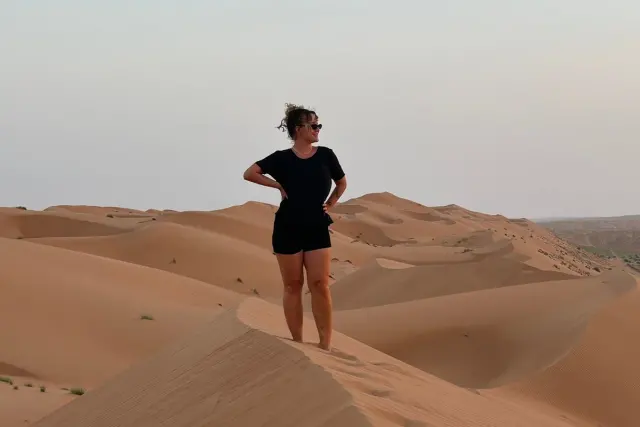
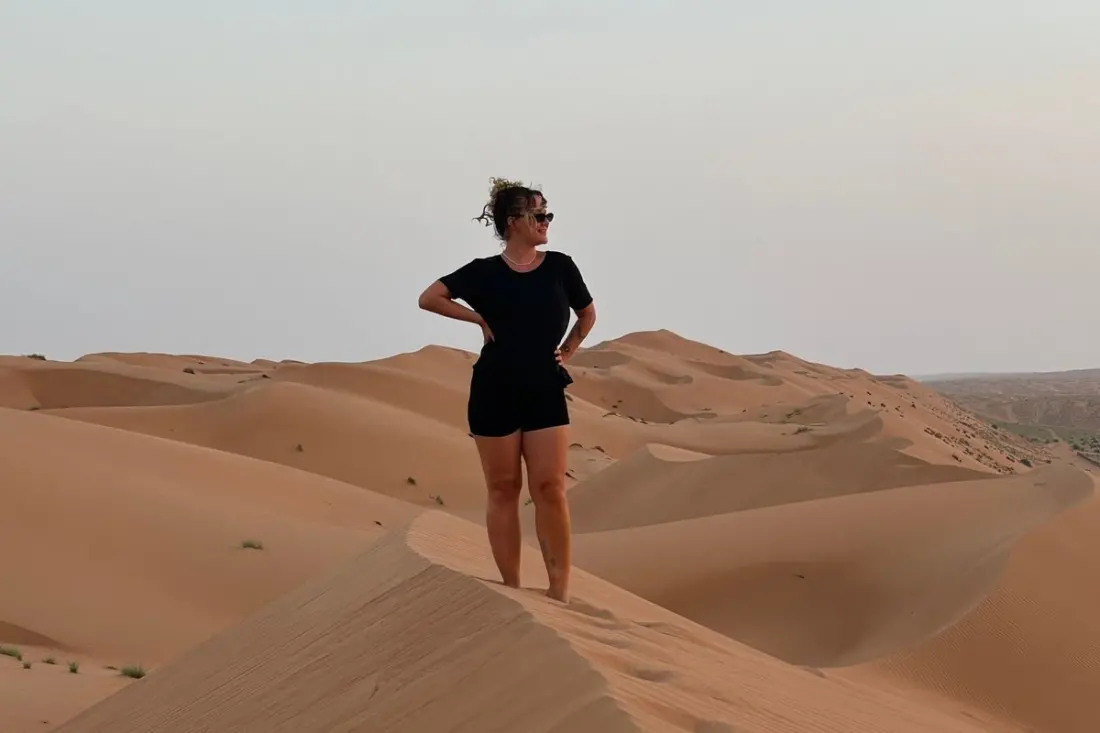
Drop down from the peaks and you're soon in the high 30s, crossing red sand into Sharqiyah Sands for dune bashing and sandboarding. Desert Nights, a five-star camp, has 88 tented rooms — some with private pools facing the dunes — and manager Mike Jiwan expects the October-to-spring high season to lift bookings slowly. Guests tell him the same thing: they nearly cancelled on news-driven fears, then found a calm, friendly, clean country that felt nothing like a war zone.
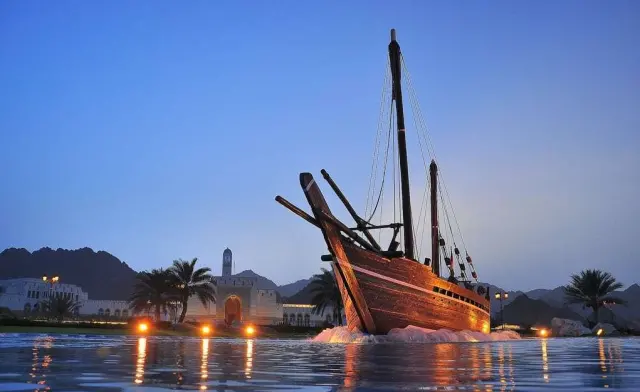
Oman's coastal side is just as compelling. From Muscat's Al Mouj Marina, boats run out to the Dimaniyat Islands, where you can snorkel with turtles and, occasionally, a whale shark — without the boat queues of better-known snorkelling spots. The cities reward slow travel too: frankincense-scented souks, pale pink architecture in Muscat and Nizwa, and food drawing on Oman's Indian Ocean ties, including Zanzibari flavours at new Muscat restaurant Mesa.
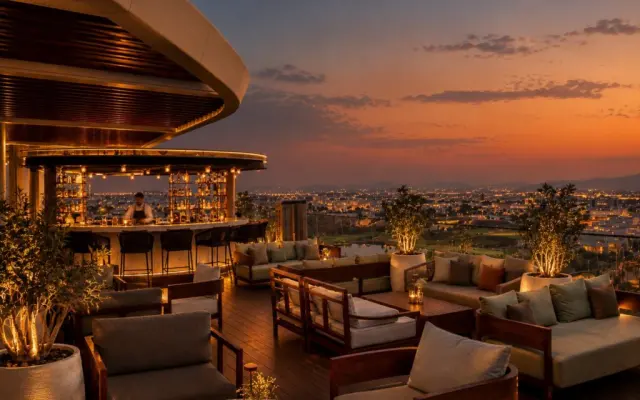
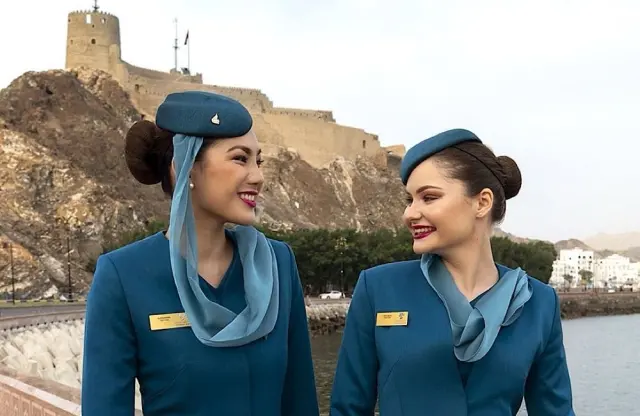
The tourism dent is real — hotel guest numbers have dropped about 13 per cent this year, partly because many flights route through disrupted UAE and Saudi hubs. But Muscat airport has stayed open throughout, with Oman Air flying direct from London Heathrow daily, sometimes twice daily, for roughly £400 return and around seven hours in the air. New hotels (such as the recently opened Tivoli LA VIE in Muscat), a new mountain road and marina development all point to a country building up fast — meaning 2027's quiet charm may not last forever.
Officials' advice is straightforward: check FCDO guidance before booking, as with any Gulf trip, but don't conflate Oman with its neighbours' conflicts. If your mental image of the Middle East is all glitz and tension, Oman offers something else entirely — mountains you can climb, dunes you can have to yourself, and locals who'll happily tell you all about it.