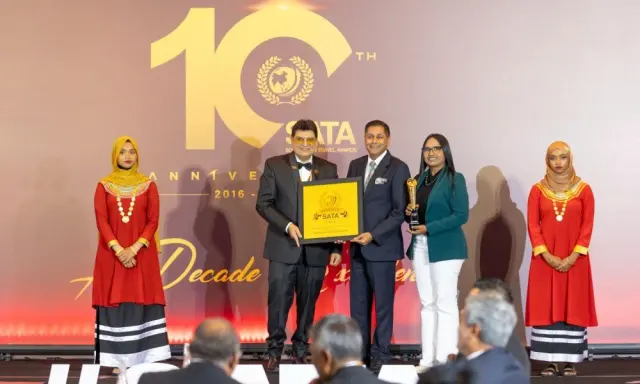
The Mumbai–Ahmedabad High Speed Rail project is still taking shape, but its construction already has a trophy on the shelf. Afcons Infrastructure, the Shapoorji Pallonji Group contractor handling the C-2 package of the line, picked up the Confederation of Indian Industry's National Award for Environmental Best Practices 2026 in the biodiversity management category. The honour was handed over at a ceremony in Chennai on 9 October 2026.
For anyone eyeing a trip along India's west coast, the underlying story is bigger than the award. The Mumbai–Ahmedabad corridor is India's first true high-speed rail line, built largely on Japanese Shinkansen technology, and it promises to shrink a journey that currently takes seven to eight hours by train into roughly two to three hours when services begin. Contractors like Afcons are building long tunnelled and elevated stretches through some of the country's most densely developed land.
What won the judges over was a distinctly circular approach to construction. The team recycled concrete washout waste to recover usable sand, aggregates and water; reused spoil from tunnelling in the casting of concrete segments; treated tunnel wastewater before releasing it; and cut energy use by channelling natural daylight into work sites through roof skylights. The upshot: less quarrying, less dumping and a lighter footprint along a route that passes close to sensitive coastal and agricultural zones between Maharashtra and Gujarat.
Afcons is a significant player in its own right — more than six decades old, active in 31 countries, ranked 12th globally in bridge construction and 8th in marine and ports in the latest ENR survey of international contractors. Deputy Managing Director Giridhar Rajagopalan framed the win as proof that sustainability and large-scale delivery can go hand in hand, with rigorous environmental management baked into execution rather than bolted on.
Why should a traveller care? Because the environmental quality of mega-projects shapes the landscapes you'll actually pass through. A bullet train that recycles its tunnel spoil and manages water responsibly is less likely to scar the countryside between Mumbai and Ahmedabad — a corridor that runs near Sanjay Gandhi National Park's edge, the industrial belt of the Mumbai Metropolitan Region and the fertile plains of Gujarat. And when the line opens, it will transform weekend and business trips: Ahmedabad, gateway to UNESCO-listed heritage at Champaner-Pavagadh and the white salt desert of the Rann of Kutch, becomes dramatically more accessible from India's financial capital.
The timeline still matters. While construction milestones continue to stack up, travellers planning Gujarat itineraries for the next couple of years should keep using conventional trains, buses and flights — with an eye on the high-speed line as a future game-changer for west-coast travel.
Reported by Laotian Times.