Cuba is in the middle of an energy crunch that shapes daily life on the island — and anyone planning a trip should know what's going on beyond the resort gates.
In an interview with Reuters, Cuba's energy minister Vicente de la O Levy said the country is accelerating its shift to renewables after the US effectively cut off its oil supply. Since January, Washington has halted Venezuelan oil shipments, threatened heavy tariffs on any country exporting fuel to Cuba, and seized 90 biodiesel shipments worth over $2.8 million in October. Only one Russian tanker has reached Havana since. The minister claimed US fuel allowed through for the private sector covers under 3 percent of the island's needs.
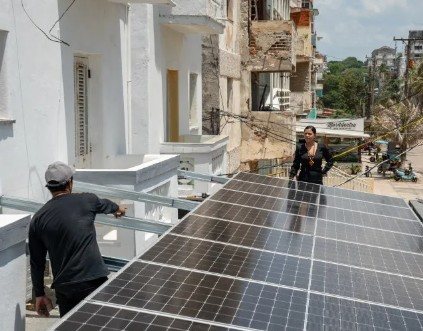
The response has been a sprint into solar: 144 solar farms totalling roughly 1,418 megawatts have been installed in recent years, with China supplying most of the panels. Still, the numbers show how far there is to go. Renewables covered just 9 percent of Cuba's energy consumption as of 2023, and only about 40 percent of the grid's electricity comes from domestic crude. The minister was candid about the consequences: long blackouts, fuel shortages for cooking and transport, and shortfalls in medicine and water.
For travellers, the practical reality is that power cuts can affect guesthouses, restaurants and small businesses, especially outside Havana and the major resorts. Larger hotels and casas particulares catering to visitors often have generators or inverters, but it's worth asking before booking. Charging devices when you can, carrying a power bank, and keeping some cash (card networks and ATMs can falter during outages) all go a long way.
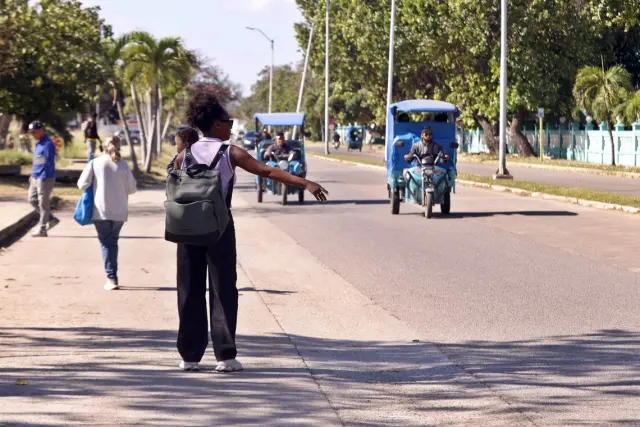
There's another side to this for visitors: it's an interesting moment to see the island adapting. Solar arrays are appearing across the countryside, and Cubans' improvisation — from private paladares to classic cars running on whatever's available — is part of what makes travel there distinctive. Tourism is also a vital source of hard currency for ordinary Cubans, so spending at privately owned businesses has a direct impact.
Who should go now? Independent travellers with patience and flexibility, rather than anyone on a tight schedule who needs reliable infrastructure. If you can roll with the blackouts, you'll find a country in flux, cheaper and less crowded than its Caribbean neighbours, and a government betting its energy future on sunshine.