About 40 miles south of Dublin, the small village of Laragh sits at the junction of three roads crossing the Wicklow Mountains — and for hikers, that location is everything. It's roughly an hour's drive from the capital (or a two-hour bus ride), yet it gives you walking access to Wicklow Mountains National Park, the largest protected landscape in Ireland.
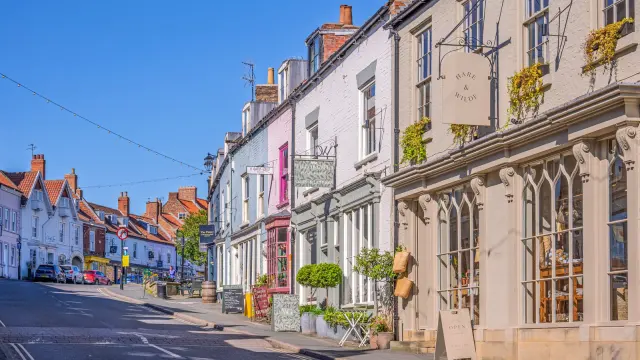
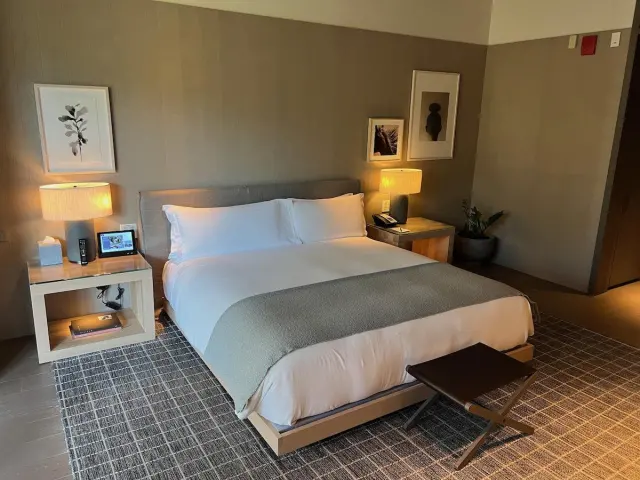
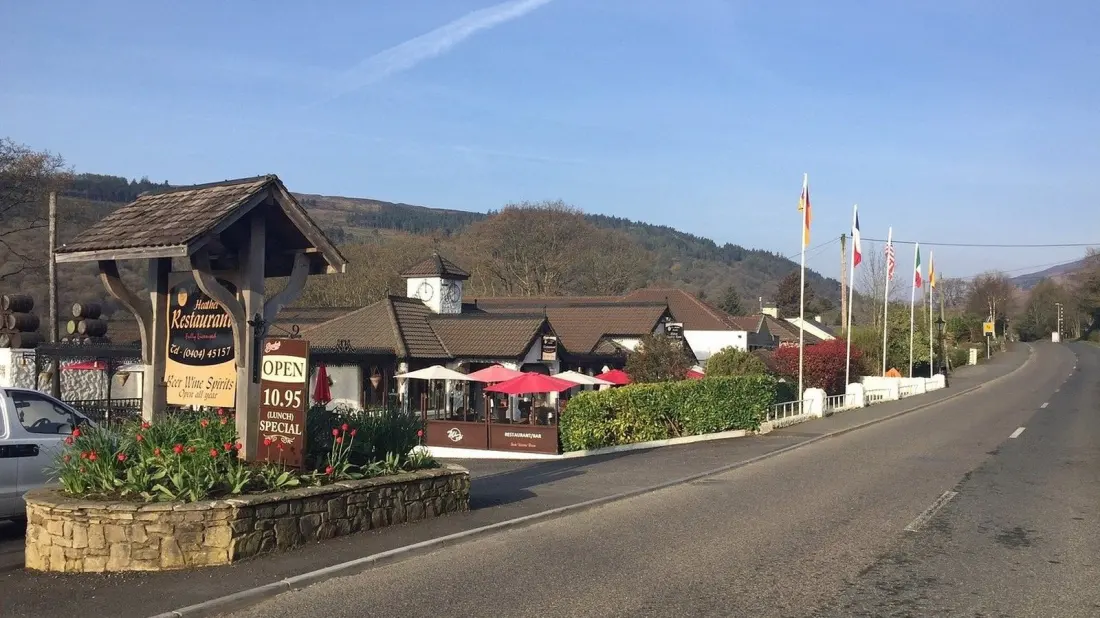
The village itself is compact and walkable, with cafes, traditional pubs, shops and a mix of lodges, B&Bs, hotels and glamping spots. Lynham's of Laragh is the local pub of choice, the Wicklow Heather Restaurant gets strong reviews, and Glendalough Green covers the deli-cafe side of things. Top-rated local activities include a working sheep farm visit, the Glenmacnass Waterfall and St. Kevin's Catholic Church. Note that car rental doesn't exist in the village — pick one up in Dublin if you're driving.
But the trails are the real draw. From the Glendalough Upper Lake car park, just over two miles from the village centre, you can choose your challenge. The Green Road Walk is an easy 1.8-mile loop through oak woodland and wetlands on track and boardwalk. The Miner's Road Walk covers 3.1 gentle miles along the Upper Lake, passing St. Kevin's Bed cave before reaching the ruins of the old Miners' Village — with decent odds of spotting feral goats or peregrine falcons en route. For something harder, the Spinc and the Wicklow Way loop runs about 7.1 miles with more than 1,600 feet of climbing, delivering excellent viewpoints over the Glendalough Valley above Poulanass Waterfall.
If you want the signature experience, Lough Ouler is worth the effort: a heart-shaped lake on the slopes of Tonelagee mountain, reached on a challenging five-mile loop starting from the Glenmacnass Waterfall parking area. Serious trekkers can also join the Wicklow Way, Ireland's famous 80-mile long-distance trail from south Dublin to County Carlow, which passes right through here.
History gives Laragh an extra layer. Just over a mile west sits Glendalough, the sixth-century monastic city founded by St. Kevin. The ruins — a Round Tower, churches, a cathedral and ancient gravesites beyond the stone gateway — are free to enter and open year-round, with guided tours from the visitor centre (parking may cost). The area also carries a mining past from the 18th to mid-20th centuries, visible in the Miners' Village ruins and the old mine buildings at Glendasan, plus the scenic early 19th-century Great Military Road built after the 1798 rebellion.
Beyond walking, the park offers cycling, rock climbing and bouldering, hang gliding, paragliding and wild camping for multi-day routes. Swimming and seasonal shore fishing are allowed in the Upper Lake only. Weather changes fast in the Wicklows even in warm summers, so pack layers and a rain jacket no matter the forecast.
For travellers who want mountain walking, deep history and a genuinely local base without straying far from Dublin, Laragh is an easy win — and it pairs neatly with a trip onwards to Killarney National Park, Ireland's first, in the southwest.