When Hurricane Lowell slammed into Kauaʻi on 8 September 2026, the island's first request to visitors was simple: stay away. Crews needed room to clear fallen trees and utility poles, restore power and fix storm-damaged roads, so travellers with bookings were asked to shift their Hawaiian trips elsewhere rather than cancel outright.
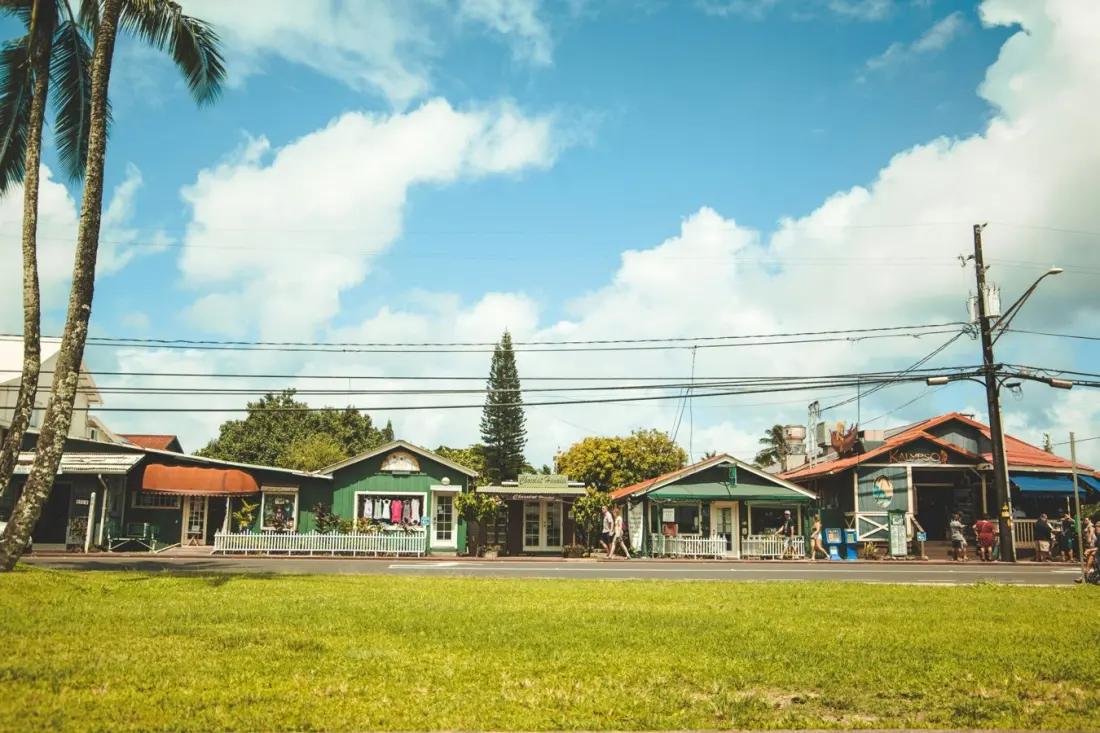
A couple of weeks on, the message has flipped. With electricity and water largely restored across much of the island, small businesses are feeling the pinch of empty restaurants, shops and tour boats. Owners say they've already had to lay off most of their staff because footfall has dried up, and some warn that unless visitors return soon, closures will follow. Kelly Kakalia, co-owner of food truck The Musubi Truck, told the Associated Press that trips are still being cancelled for November, and urged a switch in narrative before more businesses go under.
Kauaʻi County Mayor Derek Kawakami has been explicit about what helps: spend locally. Eat at small restaurants, shop with local retailers, book activities with island operators. Every dollar, he says, makes a difference. His advice to anyone planning a trip now is to come with patience — check with your accommodation and activity providers before you arrive, and steer clear of areas still off-limits, such as Wainiha and Hāʻena on the island's north shore, where damage remains severe. Poʻipū on the south coast took a hit too, with big waves damaging homes and buckling parts of Lawai Road.
The economic backdrop makes tourism matter even more here. Hawaii Governor Josh Green has asked for an expedited federal disaster declaration that would unlock low-interest Small Business Administration loans, but approval from the White House has not come through yet. Until it does, visitor spending is one of the most direct lifelines available to the island's independent businesses.
If a trip isn't feasible right now, there are other ways to pitch in. Businesses welcome online orders and gift certificates, which inject cash without requiring a flight. Would-be visitors can also sign up to volunteer with recovery efforts, or simply hold their booking rather than cancel and rebook their money elsewhere.
For travellers, this is a rare chance to take a trip that genuinely counts. Kauaʻi's beaches, hiking trails and small towns are what draw people in the first place, and much of the island is reopening — but the experience right now rewards flexibility and a willingness to spend where it helps most. Confirm what's open before you go, avoid the still-closed north shore zones, and treat local operators, food trucks and shops as your first stop. Your holiday budget doubles as recovery aid.