Order mazamorra in Colombia and you might get dessert, a drink, or a steaming bowl of meaty soup — depending on where you're standing. This humble corn preparation is one of Latin America's most versatile dishes, and understanding its regional split personalities is a genuinely useful skill for food-loving travellers.
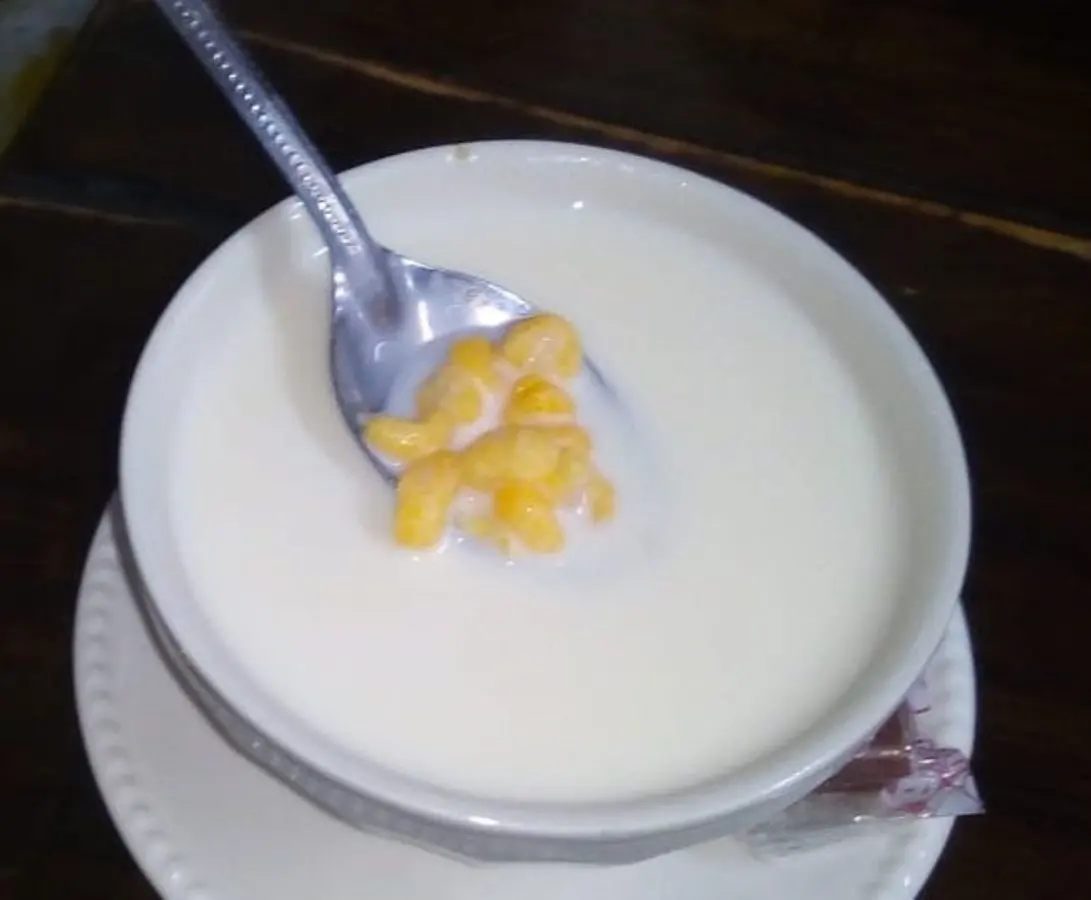
In Antioquia and the Coffee Region, mazamorra paisa is a comfort-food staple: hulled white corn (maíz peto) soaked for eight to 12 hours, then simmered for two to four hours until tender. It's served with milk and panela, an unrefined cane sugar, and dressed up with bocadillo guava paste, arequipe (Colombian dulce de leche), condensed milk or fresh farmer's cheese. Locals eat it after lunch or as an afternoon snack, and it appears alongside the region's famous bandeja paisa.
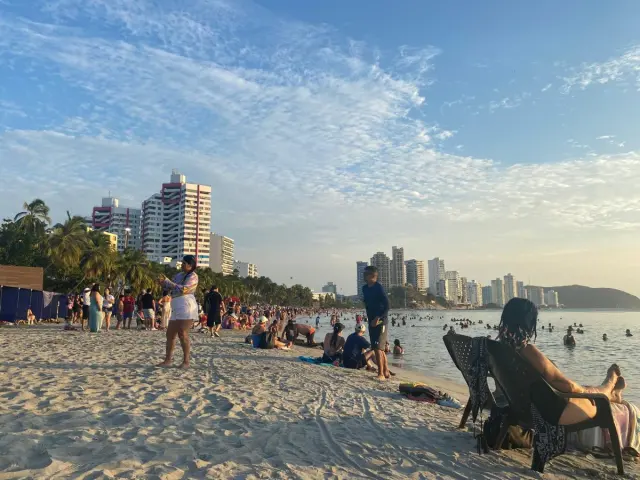
Head to the Caribbean coast and the name shifts again. Mazamorra costeña can be a creamier, sweeter corn version cooked with milk, but it also covers rice-based recipes closer to rice pudding, and even versions built on ripe plantain. Same word, entirely different bowls.
The biggest surprise for visitors is in Boyacá, in the cold Andean highlands around Tunja. There, mazamorra chiquita is nothing like the sweet southern versions — it's a dense, savoury soup. Ground corn thickens a broth loaded with beef, tripe, potatoes, broad beans, green peas, beans, scallions, garlic and cilantro, simmered slowly until creamy. It's served piping hot with white rice, avocado, corn arepas or homemade chilli sauce — exactly what you want on a freezing highland morning, and historically the fuel of rural workers.
The dish travels well beyond Colombia, too. Argentina makes a sweet dessert version from broken white corn, milk and sugar, sometimes with cinnamon or citrus zest, and serves it proudly on national holidays on May 25 and July 9 alongside locro and empanadas. Peru's mazamorra morada gets its deep purple colour from native purple corn, cooked with cinnamon, cloves, pineapple, apple and quince, thickened with sweet potato starch and sprinkled with cinnamon. The classic move there is ordering it 'combinado' — half mazamorra morada, half rice pudding in one bowl.
Why should a traveller care? Because mazamorra is cheap, everywhere, and a reliable window into local identity. In Medellín it's a sweet side; in Cartagena a dessert with coastal character; in Boyacá a hearty soup that warms you from the inside. Trying it in each region you visit is an easy, delicious way to taste how differently Colombia's regions eat — and if your trip extends to Peru or Argentina, you can keep the comparison going.