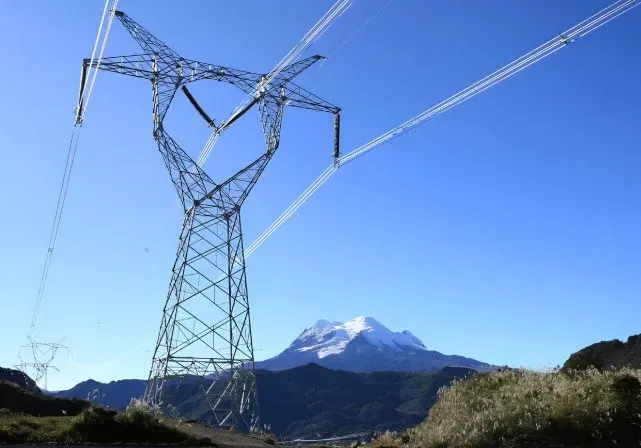
President Daniel Noboa has repeated his promise that Ecuadorian homes will be spared power cuts through the end of the year, saying recent rain at hydroelectric stations has let the country hold 400 megawatts in reserve. Speaking on local radio, he pointed to refilled rivers and reservoirs as proof the grid is on solid footing.
The picture on the ground is messier. Large businesses are still being disconnected on a rolling schedule, and the government hasn't confirmed whether those cuts will continue next week. The National Electricity Operator says the commercial blackouts save 550 to 600 megawatts — more than a tenth of daily national consumption. Energy consultant Oswaldo Landázuri pushed back hard on the president's framing, noting industry endured four days of outages this week and accusing the government of shifting the burden onto roughly 8,000 businesses rather than 18 million voters.
The numbers behind the promise are fragile. Water flow into the Mazar reservoir from the Río Paute has been falling since Thursday, running at just 27 cubic metres per second — about a quarter of normal — and the reservoir itself dropped more than a metre in two days, sitting only 12 metres above its minimum operating level. Everything hinges on rainfall in the sierra.
Elsewhere in the news, US prosecutors in New York have charged five men — including Jacobo Bucaram, son of former president Abdalá Bucaram, and ex-assemblyman Jaime Estrada — with trafficking tons of cocaine to the US and Europe, partly hidden in tuna containers. Both men are in an Ecuadorian prison awaiting extradition. A US attorney described the case as part of an effort to dismantle the corruption and trafficking that have fuelled Ecuador's recent wave of violence.
For travellers, the practical takeaway: hotels, restaurants and homes in the main tourist corridors have so far been kept off the blackout schedules, so a visit to Quito, Cuenca or the coast should proceed largely as normal — but expect occasional evening generator use in smaller towns, keep devices charged, and build some slack into plans that depend on reliable electricity. The broader security crackdown is worth noting too; it's aimed at the trafficking networks behind Ecuador's crime spike rather than at tourists, but staying aware of local advisories is sensible.