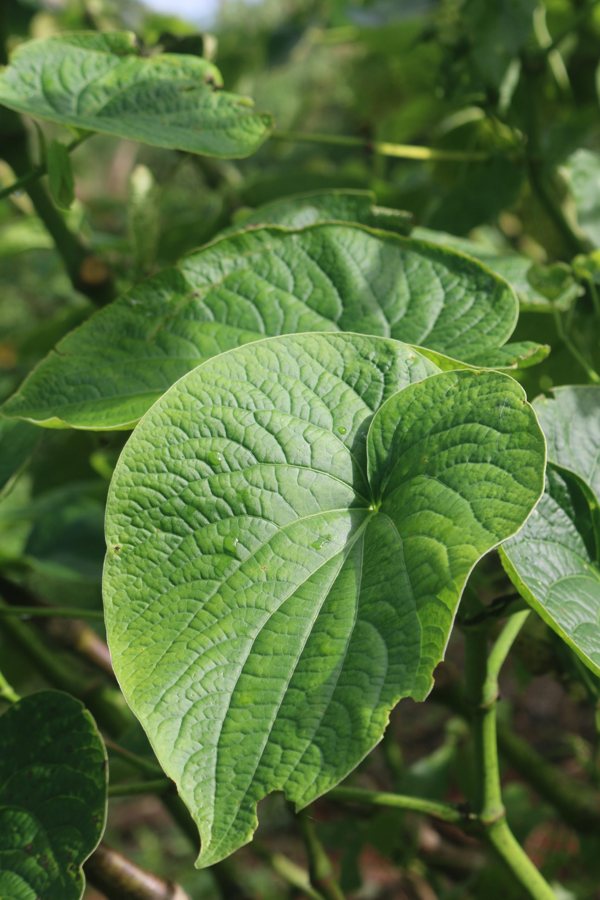
Kava is one of the Pacific's defining rituals — the muddy, peppery drink pounded from pepper plant roots, shared at ceremonies, village gatherings and social clubs across the region. But its map has never been uniform, and Kiribati is a case in point. Unlike Fiji, Vanuatu, Tonga and several other Pacific societies, Kiribati never developed an ancient tradition of cultivating or drinking the stuff.
That absence says a lot about how culture travels across the ocean. Kava culture is strongest where the plant grows well and where generations of custom built around it — think the nakamal kava bars of Vanuatu or the formal yaqona ceremonies of Fiji. Kiribati's atoll environment and its own distinct social traditions meant the root never took hold there historically.
Which makes its arrival interesting. Recent coverage in the region has framed kava as 'Kiribati's liquid gold' — a sign that the drink, and the economic and social weight that comes with it, is spreading to places that never had it. For neighbouring countries, kava is big business: a significant export crop and a draw for visitors who want to experience the real thing where it comes from. A drink carrying that kind of cultural and commercial currency doesn't stay in one place for long.
For travellers, the takeaway is simple: kava experiences differ enormously depending on where you are. In Vanuatu you'll find casual nakamals serving fresh-root kava by the shell; in Fiji the ceremony can be formal and ceremonial; in a place like Kiribati, any kava culture is a modern import rather than a centuries-old rite — so asking questions and treating it as someone's living tradition, not a tourist photo op, goes a long way. As ever in the Pacific, the drink is only half the point. The sitting, the conversation and the setting are the rest.
If you're planning a Pacific trip with kava on the list, pick your country to match the experience you want — and know that the same shell of the drink can mean very different things a few hundred kilometres apart.