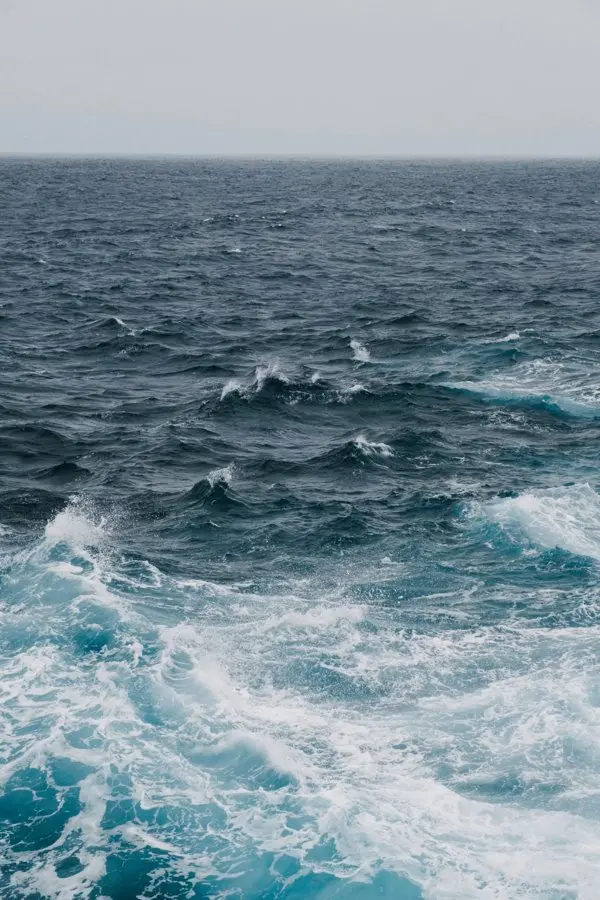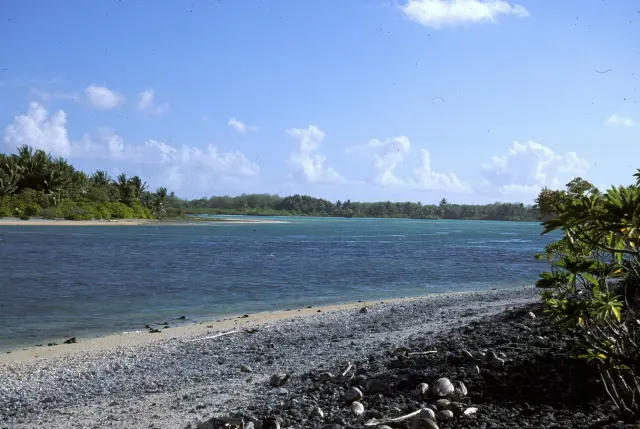
One of aviation's biggest whodunits stays unsolved. A 17-person expedition to Nikumaroro, a remote and uninhabited atoll in the Pacific, has returned without finding any trace of Amelia Earhart's Lockheed Electra, which vanished in 1937 during her attempt to fly around the world.
The team, from the Archaeological Legacy Institute and Purdue University, had set its sights on the so-called Taraia Object — an odd shape spotted in the atoll's shallow lagoon on satellite and historical aerial imagery back in 2020. Optimists hoped it was wreckage of the missing plane. It wasn't. Purdue officials confirmed the anomaly was a cluster of large fallen trees on a sandbar, their supposedly metallic glint explained by a hardened crust of coral sand. Much of the debris seen from space had already broken apart and washed away, leaving just a single Y-shaped piece behind.
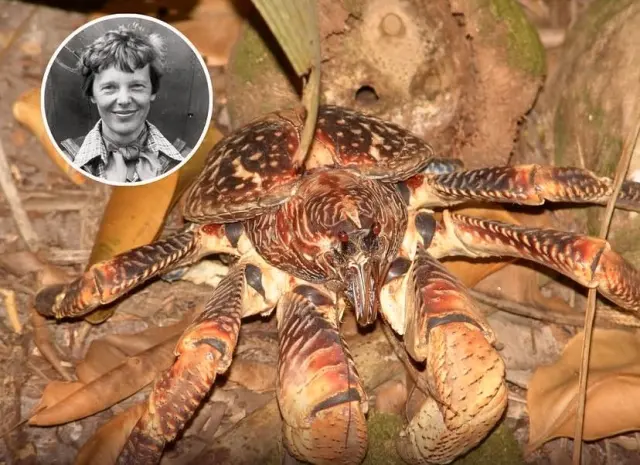
Working on Nikumaroro was no picnic. The five-day operation involved hacking through dense brush and contending with a large population of giant coconut crabs — creatures that can grow to the size of a small dog. Because the crabs are active at night, the crew scrapped plans to camp ashore and commuted back to their ship every evening. By day, the crabs apparently left the humans alone. The team did recover a few small items, including a 76cm steel tube, to help study how objects drift through the lagoon.
Importantly, the researchers stress that eliminating the Taraia Object doesn't kill the broader theory behind this location. The long-standing "castaway hypothesis" holds that Earhart and navigator Fred Noonan, lost and low on fuel during their 1937 circumnavigation, missed their target of Howland Island and came down on Nikumaroro's reef — possibly surviving for a time as castaways. Purdue, where Earhart once worked as a career counselor and aviation advisor, says the search continues. "She kept flying, and we will keep searching," said Steve Schultz, Purdue's general counsel, who joined the expedition.
Why should a traveller care? Nikumaroro is part of Kiribati's Phoenix Islands, one of the most inaccessible spots on the planet — no airstrip, no settlement, no tourism infrastructure. It sits within the Phoenix Islands Protected Area, one of the world's largest marine reserves, and only research expeditions and occasional expedition cruise visits ever reach it. Stories like this one are a reminder that the Pacific still holds genuinely unexplored places, and that the Earhart legend continues to draw expeditions nearly 90 years on. If the mystery itself grabs you, the nearby island of Kiritimati and Fiji serve as realistic jumping-off points for Pacific expedition voyages that pass through these waters. Full project documentation and photos are available at the mission site, Amelia.prf.org.