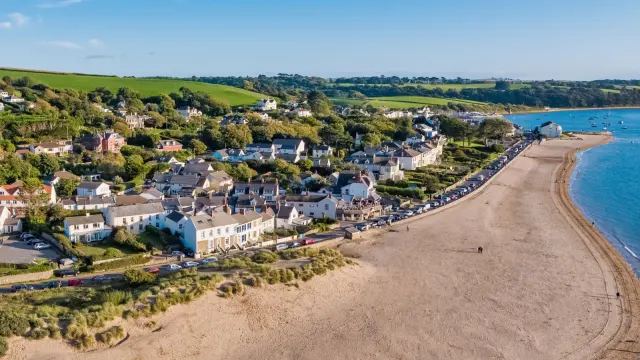
Under an hour from Glasgow, the little village of Kilcreggan squeezes a lot into a short trip. It sits at the southern tip of the Rosneath Peninsula in Argyll, hemmed in by Loch Long on one side and Gare Loch on the other, with the Clyde estuary rolling out in front. That position alone makes it worth the drive, but the village has more going for it than scenery.
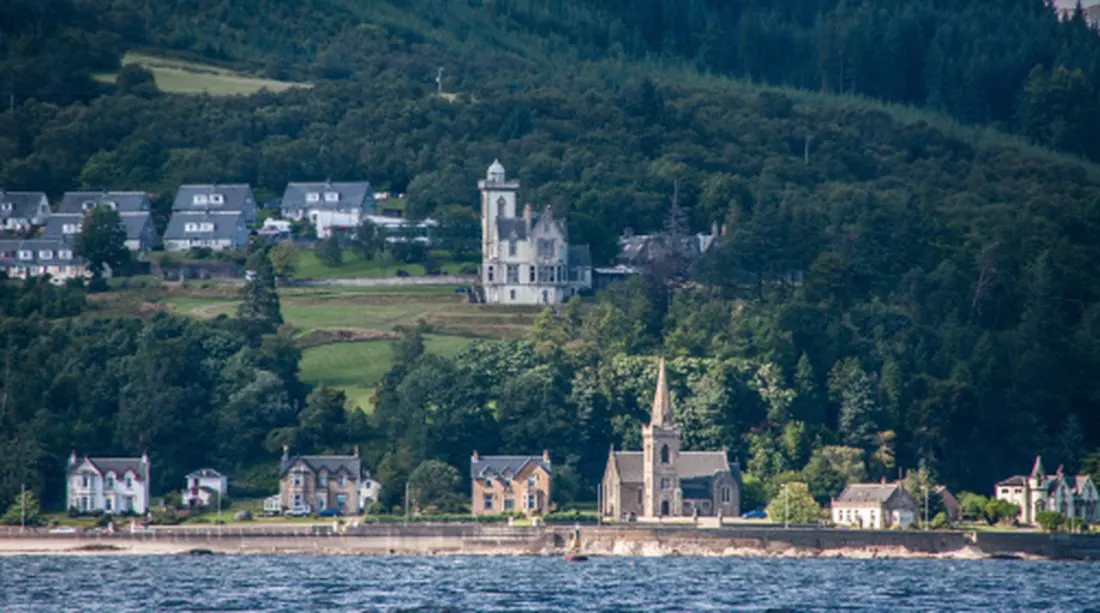
Kilcreggan took off in the mid-1800s as a summer retreat for wealthy Glaswegians, who built villas and castles along its streets. Many survive today, and a large number were designed by Alexander "Greek" Thomson — nearly 90 of his buildings still stand between Kilcreggan and neighbouring Cove, the biggest collection of his work anywhere outside Glasgow. Wandering the streets is a walk through Victorian Scotland.
The waterfront is the other draw. Kilcreggan Pier dates from 1850 and is the last original Victorian pier still standing on the Clyde — it once handled up to 39 ferry arrivals a day, and still runs regular Monday-to-Saturday sailings to Gourock across the water. From the shore you can look across at Gourock and Greenock, and on clear days all the way to the Isle of Arran, nicknamed "Scotland in Miniature" for packing the country's variety into one island. Easy beach trails suit casual walkers, while inland forest and hill routes offer tougher hikes and bigger views.
There are oddities too. Tut Tut Rock, a boulder dropped by a melting Ice Age glacier, has been repainted so many times that its look changes from visit to visit — nothing to do with King Tut except the name. And the village post office doubles as a Welcome Centre, gift shop and mini museum, so you can pick up local handicrafts and a bit of local history in one stop.
For anyone based in Glasgow without a car-free agenda, Kilcreggan makes a refreshingly low-effort day out: about an hour by road, or roughly two hours by public transport, with the ferry from Gourock a scenic option in itself. It's a quiet alternative to better-known Clyde coast towns like Helensburgh, just across the Gare Loch — pair the two if you have a full day. Bring layers, check the ferry timetable if you're relying on it, and don't leave without a photo of the rock.