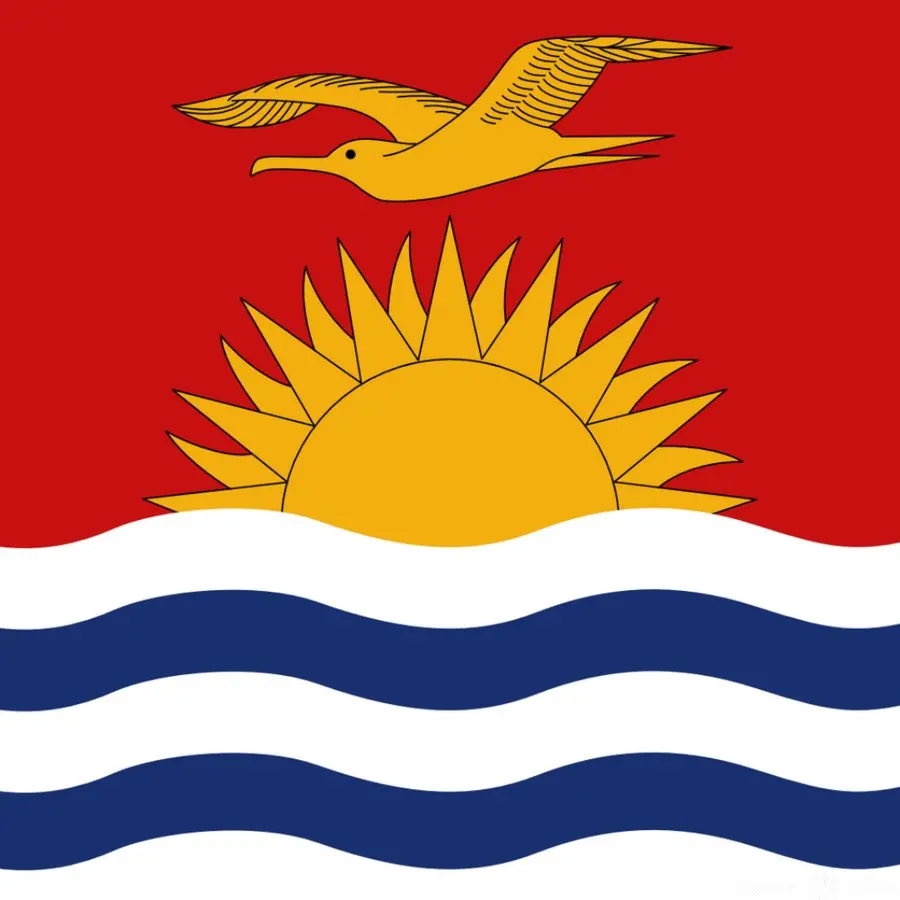
Here's a Pacific statistic that says a lot about how the region drinks: in 2024, Kiribati imported 280 tonnes of kava from Vanuatu, spending roughly FJD33.6 million and becoming the largest consumer of Vanuatu kava on the planet. That's a remarkable position for a small atoll nation with no kava-growing tradition of its own — and a reminder of how deep the kava habit runs across the Pacific islands.
For travellers, kava is one of the great introductions to island life. The drink is made from the ground root of the pepper plant, mixed with water and served in shells or bowls at a nakamal (as the kava bars are called in Vanuatu) or a community hall. It looks like muddy water and tastes earthy and peppery, with a mild relaxing effect and a slight numbing of the lips. In Vanuatu, kava drinking is an evening ritual — nakamals light up at dusk, locals drift in after work, and visitors are usually welcome to pull up a stool and join.
Kiribati's buying spree shows demand has gone well beyond the kava heartlands of Vanuatu, Fiji, Samoa and Tonga. Export kava from Vanuatu is typically prepared as dried, ground root or as fresh-frozen roots, with exporters shipping tonnes across the region to countries where the drink has become part of daily social life. The scale of the trade — tens of millions of Fiji dollars in a single year — underlines how economically significant the crop is for Vanuatu's farmers.
Why should this matter if you're planning a trip? Because kava is a genuine cultural experience, not just a novelty. In Port Vila, the Vanuatu capital, you can spend an evening hopping between nakamals, and many are proud of their signature blends. In Fiji, the same drink goes by yaqona, and being offered a bowl during a sevusevu welcome ceremony is a genuine honour. In Kiribati, meanwhile, imported kava has become a social fixture of its own — proof that the culture travels.
A couple of practical notes if you're keen to try it: drink it fresh where you can (quality varies wildly in exported powder), don't expect alcohol-style inebriation — it's calmer than that — and pace yourself, since a full session means many rounds. Note also that kava can interact with medication and isn't advised in quantity for anyone with liver issues. And check the rules if you're thinking of taking any home: kava is restricted in several countries, including Australia and some European nations.
For now, the headline is simple: the world's thirst for Vanuatu kava is growing, and Kiribati — a nation of atolls thousands of kilometres from where the root is grown — has quietly become its biggest customer.