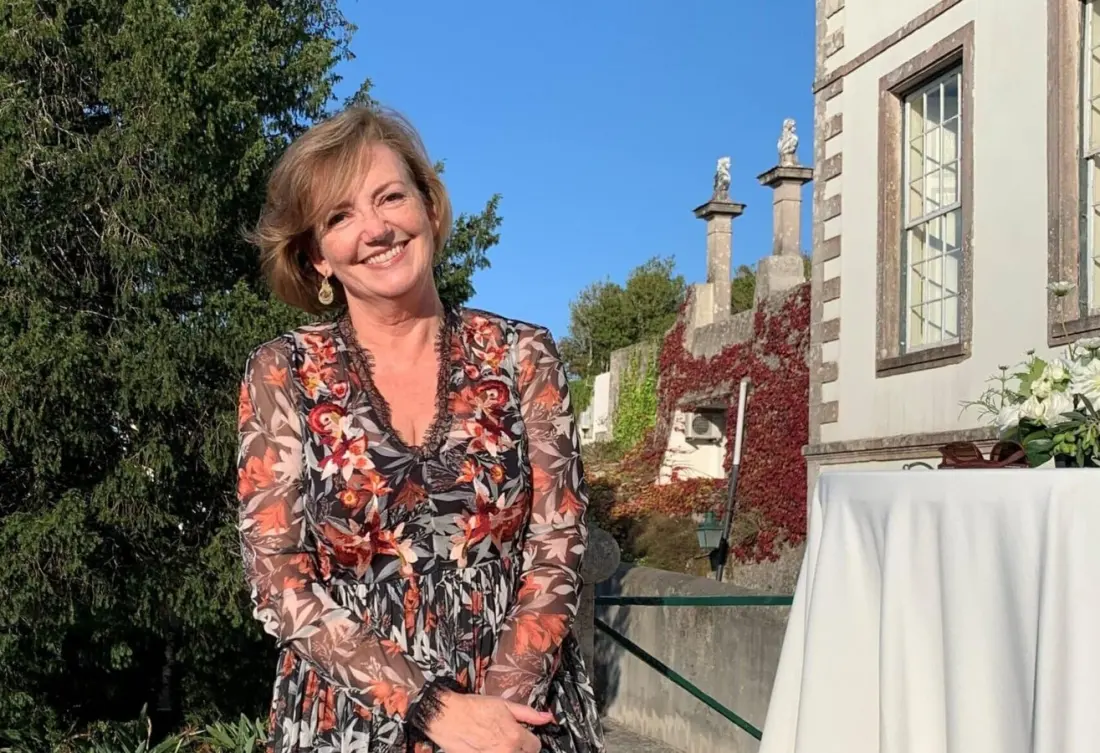
Christina Hippisley, who runs the Portuguese Chamber of Commerce in the UK, spent more than ten years living and working in Lisbon from the late 1980s, running a publishing business and negotiating in Portuguese. Now based in London, she returns often — and still describes each trip as going home rather than going abroad. Her reflection, published by Portugal Resident, doubles as honest advice for anyone weighing up a move to Portugal.
Her core point is that the country has modernised without losing the thing that made her fall for it. Lisbon today is more international, connected and confident than the city she landed in decades ago, and growth has spread well beyond the capital. But the rhythm of daily life endures: long meals, un Rushed coffee, conversations that stretch past the bill arriving, and everyday warmth that no property brochure can really capture.
For Hippisley, relocating works best when people stop thinking of it as moving and start thinking of it as designing a life. There is no single Portuguese template — some people want the urban energy of Lisbon or Porto, others the Algarve coast, the quieter charm of Cascais, small towns or rural space. New arrivals take up golf, walking, sailing, join local clubs, or keep working remotely while enjoying a slower pace. The satisfaction, she argues, comes from small accumulations: the café that knows your order, the restaurant you keep returning to, friendships that form over months rather than weeks.
She is refreshingly candid about the friction too. Bureaucracy, cultural differences and tasks that should be simple but aren't are all part of the deal, and living somewhere is categorically different from holidaying there. The happiest movers she meets arrive with curiosity and patience rather than an expectation of recreating their old life in sunshine.
Her practical tips are simple but worth heeding: learn some Portuguese, even badly — locals genuinely appreciate the effort and it opens doors. Get past the holiday hotspots and explore the country's traditions, history and smaller businesses. Build relationships with Portuguese neighbours, not just the expat scene. And prepare properly on the practical side — tax, residency, property and financial planning — ideally with specialist advice, such as at the Chamber's Moving to Portugal events (the next one after London is in Edinburgh on 12 November 2026).
For holidaymakers, the piece is a reminder of why Portugal converts so many visitors into long-term residents: the coastline and climate get the headlines, but it's the ease of everyday life that makes people stay. And for travellers who want a taste of that, it argues for slower trips — a neighbourhood café rather than a checklist of landmarks — in Lisbon, Porto, the Algarve or the countryside beyond.