Some towns keep their history in museums. Kuala Dungun, a small river-mouth town in Terengganu, keeps it open for business. Around 100 two-storey timber shophouses — known locally as kedai kayu — still line the streets here, many of them trading since the 1930s. A handful date to a single year, 1933, when the Dungun District Office reorganised the riverfront into a formal commercial centre.
The buildings tell a migration story. Hokkien traders from southern China began arriving as early as 1922, settling near the Sungai Dungun estuary and opening grocery, seafood and rubber businesses. After the 1933 reorganisation, they bought the newly completed wooden shop lots, while Malay residents were moved to a new settlement, Kampung Tanah Lot. The result was a distinctly Chinese commercial quarter in a Malay-majority state — one that still shapes the town's character today.
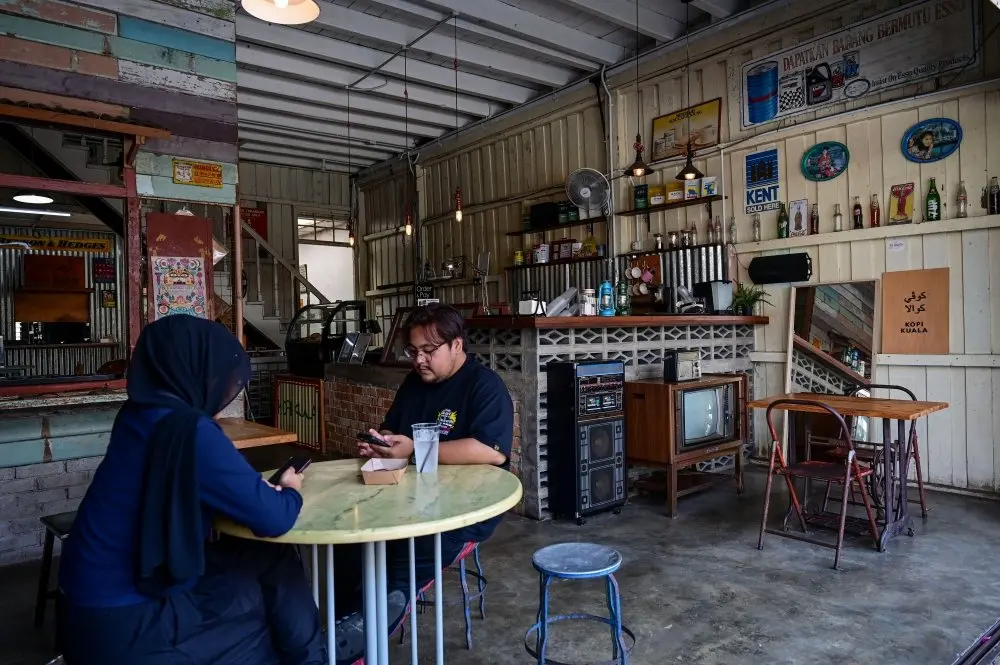
The town's boom came from iron, not timber. The Bukit Besi iron ore mine, inland from Dungun, drove rapid growth from the 1930s to the 1960s, and Kuala Dungun served as its outlet — supplying shops, workers and exporters. When the mine closed in 1970, the town settled into a quieter rhythm, but the wooden shops carried on. They now house restaurants, hardware stores, electricians, motorcycle dealers, grocers and even old-school photo shops. One restaurant operator, Mohd Kamal Hamid, has rented his 90-plus-year-old premises for RM1,200 a month since 1986, taking over from his father; the building's first owner was reportedly a Bukit Besi mine employee who bought it in the 1930s.
Why should this matter to a traveller? Because there are few places in Malaysia where you can eat lunch, buy hardware and take photos inside working buildings that predate the Second World War — and where the owners can tell you exactly who built them and why. Kuala Dungun sits between Kuantan and Kuala Terengganu on the east coast, close to beaches like Rantau Abang, so it slots easily into a coastal road trip. Photographers will find weathered timber facades and shuttered windows that have survived decades of monsoons; food-focused travellers will find a genuine old trading-town food culture rather than a staged heritage street.
Go soon if you can. Some shophouses have already been renovated beyond their original form, and the remaining stock of pre-war timber isn't getting any younger. The Malaysian Historical Society's Dungun chapter has documented the area's story, and the residents — many of them second- or third-generation tenants — are happy to talk about it.
Story credited to Malay Mail Life.