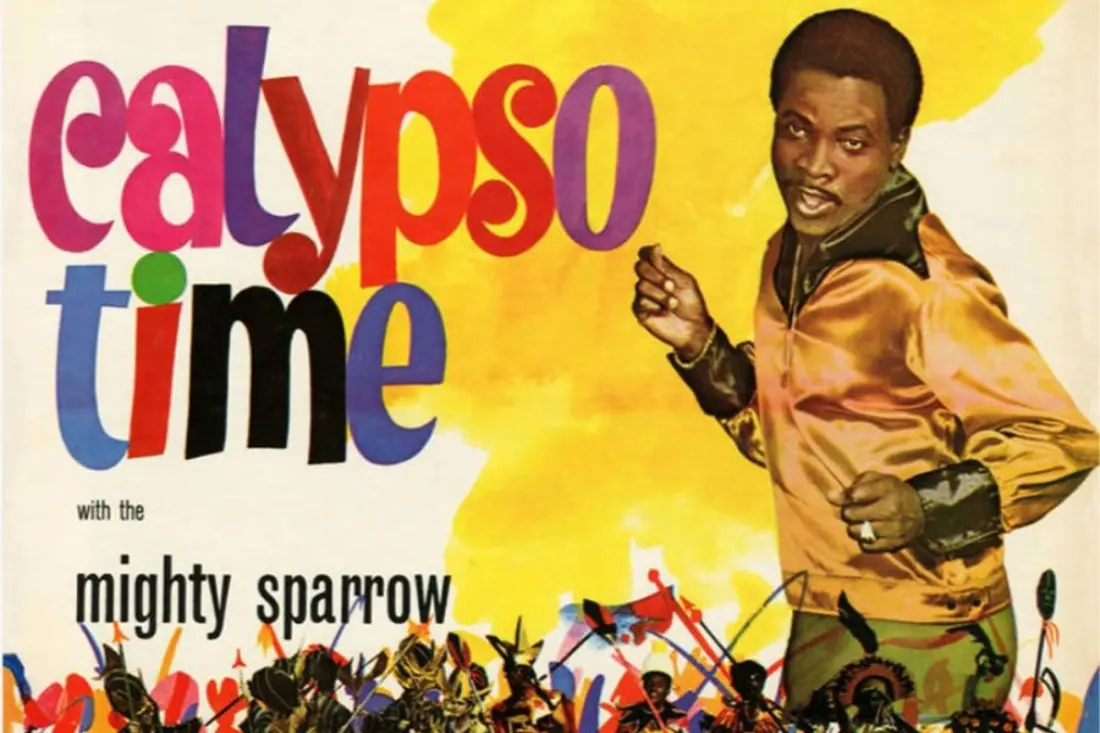
Slinger Francisco — better known as Mighty Sparrow, the self-crowned Calypso King of the World — has died at 91 at his home in New York. For anyone who has ever hummed along to soca at a beach party or caught the Carnival bug, his passing is a good excuse to dig into the genre he came to define.
Sparrow's numbers are staggering: eight Calypso King/Monarch titles, two Road March wins at Trinidad's Carnival, and a catalogue of around 70 albums and 500 songs. He was the first artist to win the Calypso King title twice. But his real significance was what he did for calypso itself — turning an art form born out of West African traditions and slavery-era song into music that travelled the world.
Calypso dates back to the early 1800s, when enslaved workers on plantations used witty, often satirical lyrics to mock slave-owners and colonial restrictions. Over the 19th century it grew into the genre we know, developing alongside Trinidad's adopted Carnival. The basic format — percussion-heavy, with bass, brass and guitar — took shape by the 1950s, by which point Sparrow was starting to make his first releases and calypso was finally going global. The Andrews Sisters' cover of Lord Invader's "Rum and Coca-Cola" had already proved the genre could be a hit machine, though that bubble-gum version stripped out the political bite that Sparrow kept sharp. His own "Congo Man", a sly critique of Margaret Thatcher's troubled England, got him banned by the BBC for 23 years — proof he never softened.
Sparrow also built his own infrastructure: he eventually relocated to Queens, New York, founded National Recording, and later helped push calypso into soca as the sound evolved in the late 1970s. His World Cup theme song for Mexico 1986, "Hot, Hot, Hot" by Arrow, remains one of soca's biggest hits — a reminder of how deep this music runs through Caribbean culture. Even Hollywood caught the wave in the 1950s, with calypso-themed albums from the likes of Robert Mitchum arriving just as West Indian migrants were bringing the sound to Britain, where Brixton and Queens became recording hubs for the genre.
For travellers, the obvious pilgrimage is Trinidad itself, where Carnival still crowns a Calypso Monarch every year and the music Sparrow shaped blares from every mas band. But the genre's influence shows up everywhere from Antigua's bamboula traditions to dance-calypso in Haiti and Dominica, and even Congo Square in New Orleans, where drumming on Sundays helped carry the sound north. Plenty of it streams online if you want a taste before you book — Sparrow's seven-decade catalogue is the best possible primer.
Story via Bangkok Post Life.