The world's oldest working zoo isn't in London or Berlin — it's in Vienna. Schönbrunn Zoo opened its gates in 1752 and has been running ever since, surviving two world wars and nearly three centuries of change. Today it ranks among the best-reviewed attractions in Austria's capital, and it comes with a UNESCO World Heritage setting thrown in.
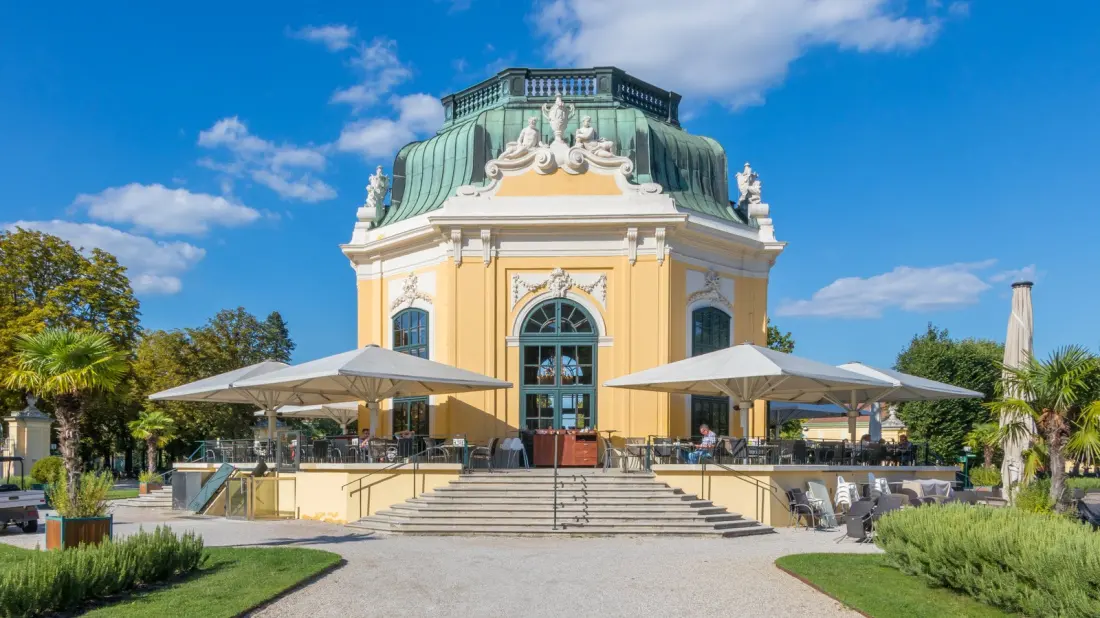
The zoo started life as an imperial menagerie for Franz I Stephan of Lorraine, Holy Roman Emperor, with thirteen enclosures stocked with animals relocated from Vienna's Neugebäude Palace and the Belvedere. Under his son Joseph II, it opened to the public by the late 1700s, and it has been a city fixture ever since. You can still see the imperial roots: the Kaiserpavillon, or Emperor's Pavilion, stands at the centre of the grounds and now operates as a café serving traditional Viennese food, with giraffe enclosures just a few steps away. (Schönbrunn welcomed Austria's first giraffe back in 1828, a gift from the Pasha of Egypt.)
The whole site covers around 17 hectares — roughly 42 acres — inside the gardens of Schönbrunn Palace, the grand Habsburg residence on Vienna's edge. Around 6,000 animals live here, from penguins and koalas to Indian rhinos, with daily feeding sessions listed on a posted schedule. The zoo holds Global Humane Certification as of 2025, and visitors regularly praise the size and cleanliness of the enclosures; one Google reviewer called it "botanical gardens for the animals."
The undisputed stars, though, are the giant pandas on loan from China, which reviewers say are often out eating and playing rather than hiding. True panda devotees can book the zoo's PANDAstic encounter for an extra fee and get closer to the bears than standard admission allows.
Practicalities are simple. The zoo is open year-round, so it works as a winter and summer stop alike. Tickets are sold online, but buy them through Imperial Austria, the palace's authorised vendor, rather than third-party resellers. English speakers are well catered for — signage throughout the zoo is in English as well as German.
Because the zoo, palace and gardens share one site, it's an easy full-day outing: pandas in the morning, a wander through the formal gardens, a café break in the Emperor's Pavilion, and palace interiors if you have the energy. History buffs get a double hit — a Baroque palace with direct Habsburg ties and a zoo that's been operating since before the French Revolution. If older zoos become a thing for you, Zoo Berlin in neighbouring Germany is another historic survivor worth adding to the itinerary.