Kyrgyzstan has slipped backwards on governance, according to the European Bank for Reconstruction and Development's latest Transition Report. The country's governance score fell to 4.34 points in 2026, down from 4.41 the previous year — and well below the 4.57 it recorded back in 2016. The EBRD scores countries from 1 to 10, with the top of the scale representing a sustainable market economy.
What dragged the score down? Not corruption, interestingly. Perceptions of corruption actually improved. Instead, the decline came from two things: weaker press freedom and falling compliance with international anti-money laundering and counter-terrorist financing standards. Kyrgyzstan wasn't alone — Georgia, Kazakhstan and Lithuania also saw governance indicators dip — but it now trails its neighbours by a noticeable margin. Kazakhstan scored 6.27, Uzbekistan 5.03 and Tajikistan 4.66.
The broader picture is genuinely mixed. Kyrgyzstan's competitiveness index nudged up from 4.04 to 4.08, though that still leaves it 31st out of 41 economies in the EBRD's ranking. Its economic integration score slipped slightly to 4.4, placing it 32nd. The real bright spot is the financial sector: economic resilience rose from 4.45 to 4.56, helped by fewer non-performing loans, stronger bank capital buffers and better liquidity. Stock market capitalisation relative to GDP and trading activity are both up too.
A caveat worth knowing: the EBRD says its governance indicators are built mainly on 2025 data, so they don't capture everything that has happened during 2026. The report itself covers competitiveness, business development, artificial intelligence adoption and structural reforms across the region.
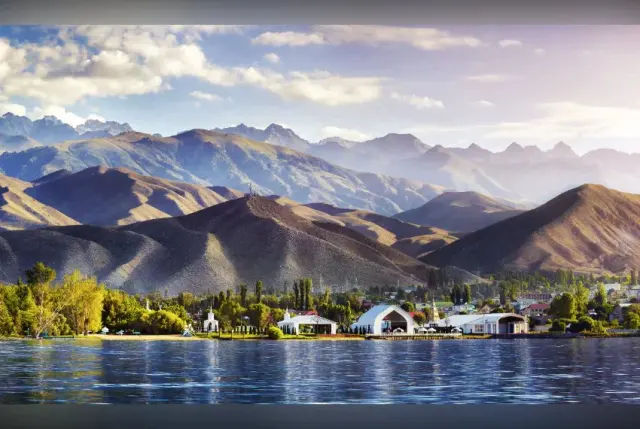
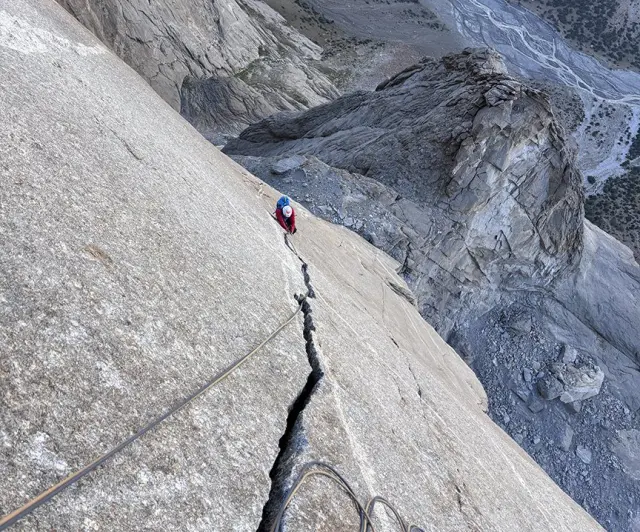
Why should a traveller care? For anyone eyeing Kyrgyzstan — and its reputation for alpine trekking around Issyk-Kul, horseback trips and Silk Road sites — this is context, not a warning. The findings are about institutions and financial-system health rather than safety on the ground. A strengthening banking sector is quietly good news for visitors: more reliable ATMs, card acceptance and money transfers in a country that has long been a cash-first destination. The governance slide is more relevant to how the country is perceived by investors and partners than to anything you'll notice between Bishkek and the mountains. If you're planning a trip, the practical takeaways stay the same as ever: carry cash outside cities, check current entry rules, and keep an eye on regional developments as you would anywhere in Central Asia.
Story reported by 24.kg.