Europe's airports are still riding high. Passenger traffic rose 3.2% in September 2026 compared with the year before, according to a new report from Airports Council International (ACI) Europe published on 17 November. The whole third quarter tracked even better, up 3.4% year on year, and the numbers back up Eurocontrol's earlier finding that summer 2026 was the busiest on record — flights grew 2.4% between June and August, peaking at 37,640 flights in a single day on 10 July.
The headline numbers hide big differences between countries. Slovakia was September's standout with traffic up 74.6%, followed by Montenegro (+26.4%) and North Macedonia (+25.2%). On the flip side, Austria slipped 6.3%, Iceland fell 5.5%, and Latvia dropped 1%. ACI Europe's director general Olivier Jankovec points to uneven exposure to geopolitics, aviation taxes and a cost-of-living squeeze as the reasons markets are diverging, with leisure and visiting-friends-and-relatives travel proving the most durable segment.
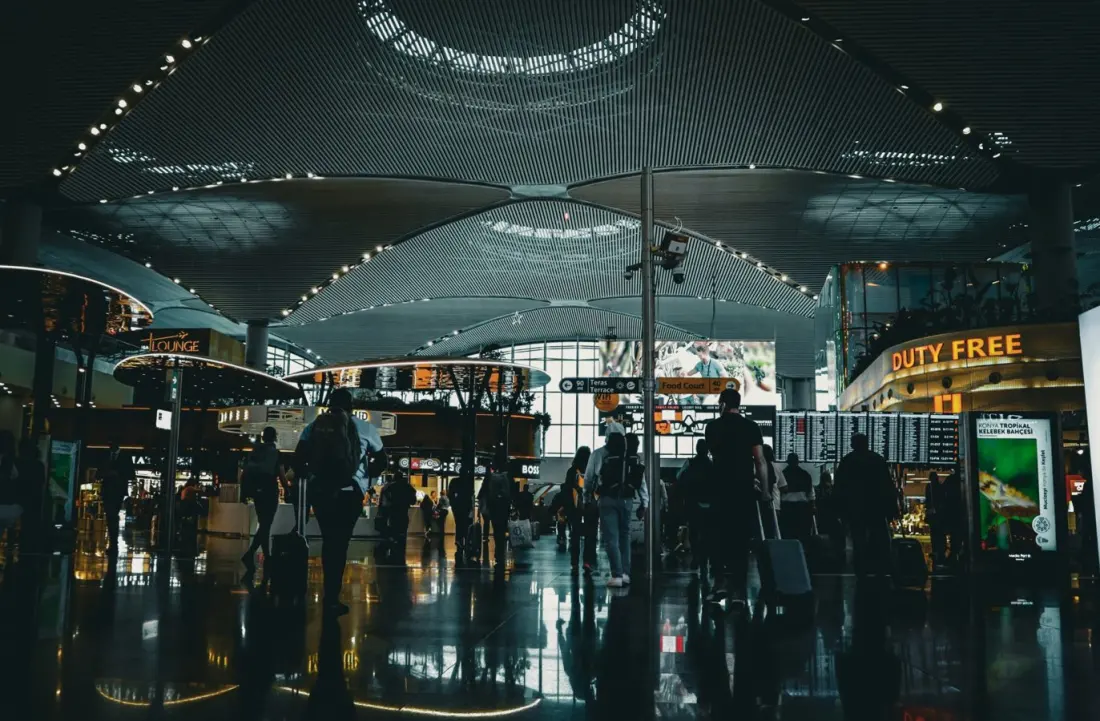
Istanbul was Europe's busiest airport in September, handling 7.85 million passengers, ahead of London Heathrow (7.18 million), Madrid (6.31 million), Paris-Charles de Gaulle (6.22 million) and Amsterdam-Schiphol (6.21 million). Among the mega-hubs, Istanbul's second airport, Sabiha Gökçen, was the top performer with 4.79 million passengers, up 8.4%.
The catch is what comes next. Jankovec warns that airlines are shifting from small tactical tweaks to structural capacity cuts for the 2026-2027 winter season, driven by stubbornly high jet fuel prices — and the pain will grow as hedging cover runs down. Winter seat capacity across European airports is set to grow just 1.6%, a sharp slowdown from the 6.3% expansion seen the previous winter. Combine that with rising fares and renewed pressure on household budgets, and demand itself may start to wobble.
For holidaymakers, the practical takeaway is simple: winter flights could get scarcer and pricier. If you're planning a city break or a sun escape between December and March, booking earlier than usual is likely to pay off, and routes served by only one or two carriers are the most exposed to cuts or fare spikes. Airports competing hard for airline business — often the smaller or low-cost-carrier hubs — may be where the better winter deals survive.