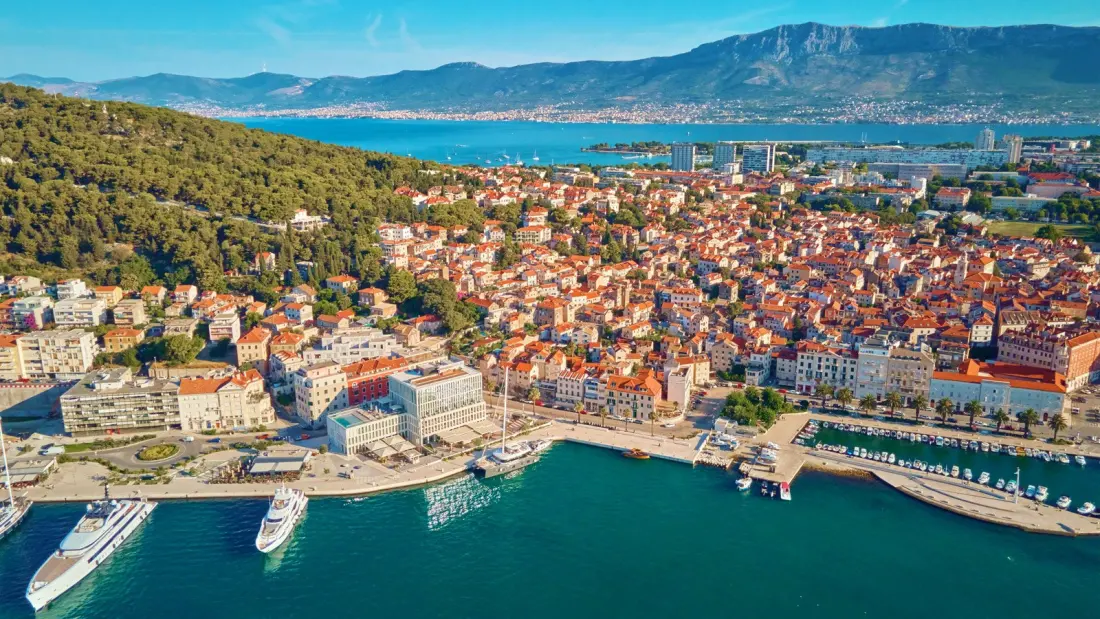
Split has a habit of making visitors rethink their plans. The Croatian city grew out of a palace built in 305 AD by the Roman Emperor Diocletian, who traded the throne for a seven-acre seaside residence — and its fortified gates, carved pillars, Egyptian sphinxes and sea-view cellars now form the beating heart of the modern city. For retirees weighing where to spend long stretches of post-work life, that palace legacy comes with a surprisingly accessible price tag.
While Croatia has picked up a reputation as one of Europe's pricier spots, the numbers tell a different story for slow travellers. A local consulting firm puts comfortable long-term living in Split at around $2,000 a month — a fraction of the $5,000-plus often needed in Florida. Longer-term rentals can even drop below $1,000 a month if you arrive in April, before the summer rush strips the market bare.
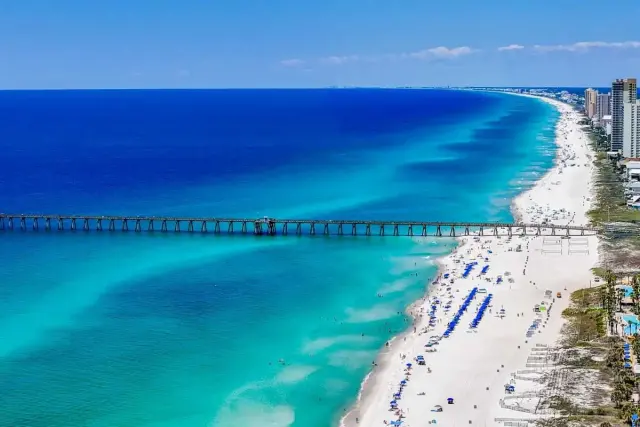
The city's appeal isn't only financial. Being on a peninsula, Split is wrapped in beaches of every personality. Bačvice, one of the few sandy stretches, is where locals play picigin, a proudly homegrown ball game that's basically keep-it-in-the-air gymnastics in shallow water. Ten minutes east, Žnjan is the amenity-loaded option, lined with cafes and eateries. For something calmer, Marjan Forest Park rises just west of the old town, and beneath its slopes sits Kasjuni Beach — pebbly cove, rentable loungers, and some of Europe's cleanest swimming water.
Food spans the full range too. Restoran Laf! serves the kind of homestyle Dalmatian cooking locals actually eat — stuffed peppers, chard with potatoes, cuttlefish with fava beans — with hearty portions under $20. At the other end, Krug holds the city's only Michelin star, with a nine-course tasting menu that draws rave reviews and prices to match.
Timing is everything. The cold Bura wind backs off by March, beach weather lands around late April, and swimming becomes comfortable by mid-May under skies that stay stubbornly clear. Skip July and August if crowds and peak pricing annoy you — Rick Steves compares Croatian summer to Florida spring break. Getting there from the US usually means a European layover, though United runs a summer-only route from Newark three times a week; flights from LA sit around $875 in April but climb past $1,200 by July. Once landed, the airport bus into town costs under a third of a taxi fare and is barely slower.
For retirees — or anyone with a flexible schedule and a fixed budget — Split makes a strong case: Roman-scale history, swimmable coastline, serious food, and monthly costs that leave room in the account. Diocletian, arguably the city's most famous long-term resident, clearly had the right idea.