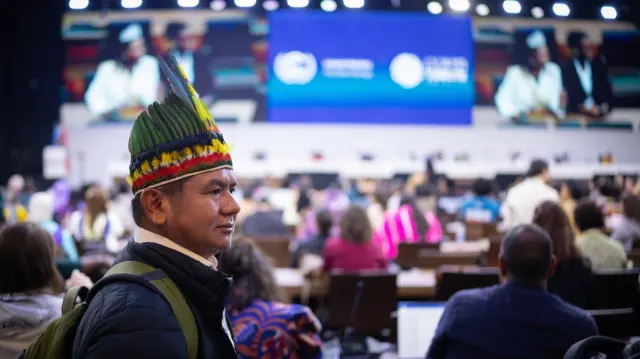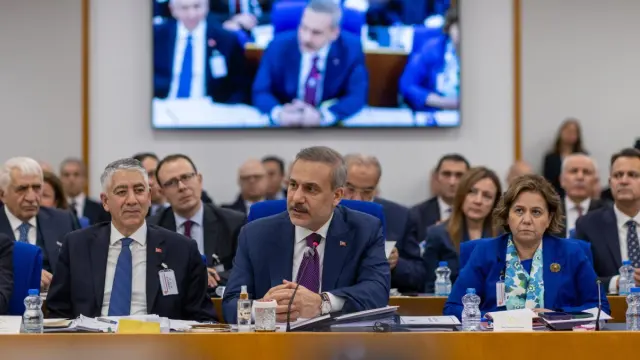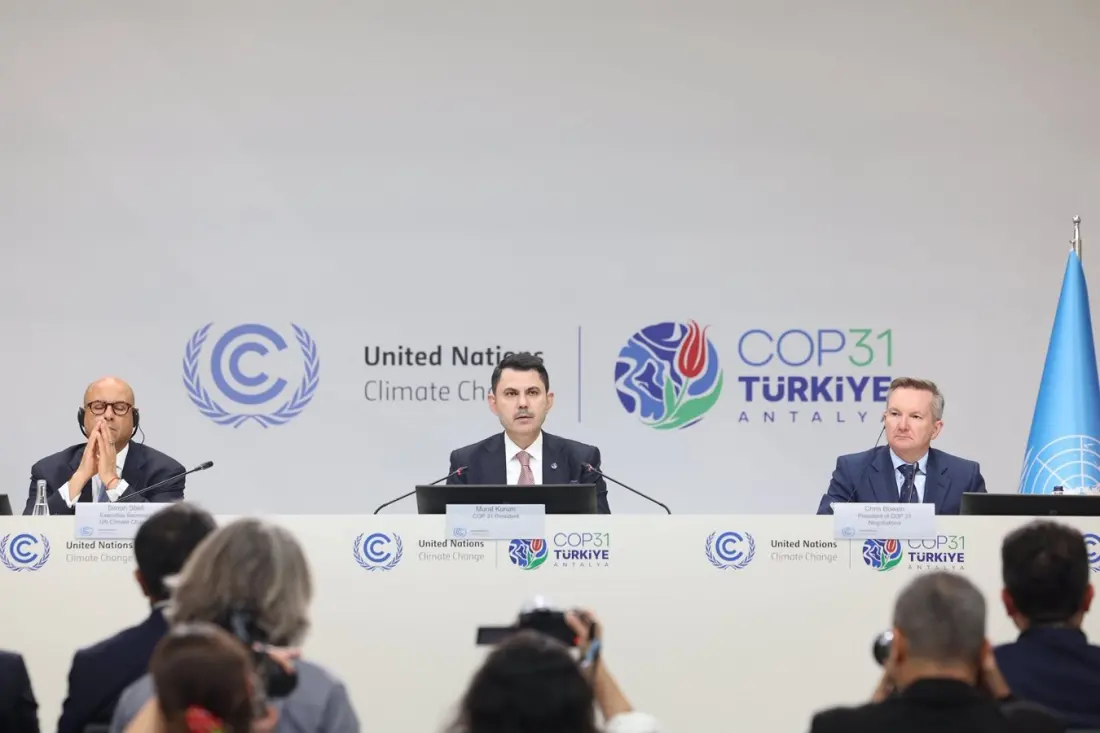
Two weeks of talks in Antalya, Turkey, plus more than 50 hours of overtime, still weren't enough. COP31 closed on Sunday, November 23 with no global agreement — the first climate summit to end empty-handed since Copenhagen in 2009, and the longest in the 31-year history of the conferences.
The sticking point was glaring: the final text, drafted by the Turkish and Australian presidencies, never mentioned fossil fuels at all, let alone set out a roadmap for phasing them down. That was a step too far for the European Union, the UK, Panama and a bloc of island and developing nations. Irish climate minister Darragh O'Brien, speaking for the EU, said plainly that the bloc would not back a deal that ignored the main driver of global warming — and questioned whether the draft would even undo what was agreed at COP28 in Dubai in 2023, when countries committed to transitioning away from oil, gas and coal.
More than 130 countries had pushed for concrete transition measures, but producers like Saudi Arabia, Russia and Iran resisted anything threatening their energy interests. The early draft's phase-out language was quietly replaced with nods to carbon capture and storage — a technology green groups argue simply extends the fossil fuel era.
Money was the other fault line. Developing nations wanted firm guarantees of more adaptation funding as floods, droughts and storms intensify, including a promise to triple adaptation finance by 2035. But no one could agree on the baseline, the deadlines or the enforcement mechanisms, and the EU declined to commit new funds without clarity on existing pledges. The United States was absent for a second straight year following Washington's withdrawal from the Paris Agreement.
There were scraps of progress. Nearly 100 countries backed a target of raising electricity's share of global energy consumption to 35% by 2035, and work advanced on just energy transition and electrification issues. UN Secretary-General António Guterres, though, voiced deep disappointment, warning that political deadlock doesn't erase the science. Previous commitments, including the Paris Agreement, still stand — but the big questions on emissions and financing now pass to the next summit, hosted by Ethiopia.
Why should travellers care? Climate outcomes shape the destinations we love — from reef health and snow reliability to flood-prone coastlines — and the funding gap for vulnerable countries directly affects how well those places can cope. Antalya, the host city, is itself a Mediterranean tourism hub on the front line of warming seas and longer heatwaves. For anyone heading to Turkey's Turquoise Coast, the scenery is the same as ever; for anyone thinking a decade ahead, summits like this one determine what's still there.