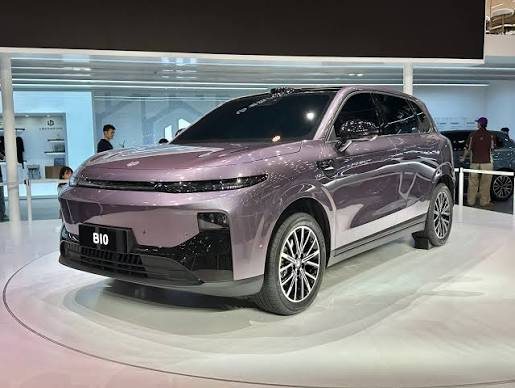
Chinese electric vehicle brand Leapmotor has quietly become one of the busiest carmakers on the planet. In September alone it delivered 105,656 vehicles, according to figures reported by Nepali Times, marking the third consecutive month the company has cleared the 100,000-unit milestone. That monthly haul represents a 59% jump compared with the same period last year — growth figures most established automakers would envy.
For readers who haven't followed the brand: Leapmotor is one of the wave of Chinese EV manufacturers that has scaled rapidly by focusing on affordable, tech-heavy electric cars rather than luxury price tags. Its sticker numbers now put it in the same conversation as better-known Chinese players like BYD, and its momentum shows no sign of slowing.
The Nepal angle is the interesting part for this region. Shangrila Motors has been appointed as Leapmotor's official distributor in Nepal, meaning these Chinese-built electric vehicles are now part of the Nepali market rather than just a distant success story. That matters in a country where electric vehicles have been gaining ground fast, helped by government tax policies that favour EVs over petrol and diesel imports, and where hydropower gives the grid a relatively clean backbone.
Why should a traveller care? If you're planning a trip to Nepal and intend to hire a car or take private transfers, the vehicles on the forecourt are changing. Chinese EVs are increasingly the default choice for taxi fleets, hotel shuttles and rental operators across South Asia because running costs are a fraction of combustion-engine equivalents. Within a couple of years, a Kathmandu airport pickup is as likely to be a silent Chinese electric SUV as an old diesel sedan. Cheaper running costs for operators can also translate into more stable transfer prices for visitors.
There's a broader signal here too. When a manufacturer starts shipping six-figure volumes every month, it has the scale to expand into smaller markets like Nepal and support them with parts and servicing — historically the weak point for unfamiliar brands in the region. Distributor backing from an established name like Shangrila Motors addresses the after-sales worry that has made buyers and fleet operators hesitant about newer marques.
The honest caveat: sales figures are not the same as proven reliability, and Nepali roads — from Kathmandu's potholes to mountain routes — are a stern test for any vehicle. Charging infrastructure outside the main cities is still developing, though it has improved noticeably along popular corridors in recent years.
For now, the takeaway is simple: the EV shift you can see on the streets of Kathmandu and Pokhara is being powered by brands like Leapmotor hitting genuine global scale, and travellers moving around Nepal will increasingly be riding in the results. Keep an eye on how the Shangrila Motors partnership develops if you're heading that way and want to rent or buy electric.