Day 13 on the Collegiate West loop in central Colorado, and one thru-hiker's account reads like a survival comedy: a 4am start, a bonus 14,000-foot peak, two sprints downhill ahead of thunderstorms, and a flash flood warning for good measure.
The Collegiate West is the high-altitude alternate to the Colorado Trail, roughly 80-plus miles added to a route that already stretches over 400. The hiker in this account had already pushed through Hope Pass with five days of food, logged 19-mile days, and tacked on an unplanned summit of Mt. Huron — a popular 14er near the Lake Anne Pass area — after a fire closure between Tennessee Pass and Twin Lakes reshuffled the route. Leaving camp behind to travel light, they summited before sunrise, sting from a yellow jacket en route, and passed plenty of under-prepared day hikers along the way, including one group without gloves in above-treeline wind.
The real drama came in the afternoon. Colorado's summer storms are famously punctual, and this hiker deliberately timed a siesta under trees at noon on an exposed stretch near Cottonwood Pass. The storm didn't cooperate, dragging on for hours. By the time the sky cleared, the choice was a 22-mile day or a short camp. Then a phone alert changed everything: flash flood warning, stay put. Stuck between thunder on an open ridge and potential flooding in the valley below, they ate ramen in what they cheerfully call the world's shittiest camp spot, waited out the weather window, then ran — full pack on, Radiohead blasting — down through switchbacks to below treeline as lightning flashed behind them.
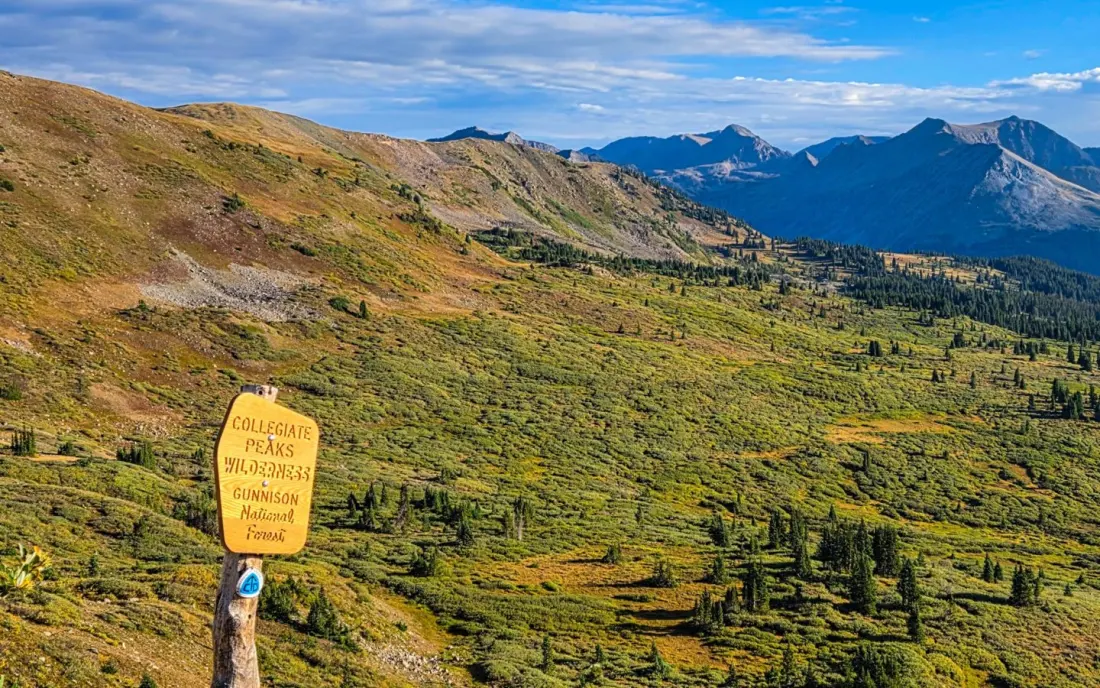
The day ended soaked and exhausted at a creek crossing, picking between campsites littered with dead standing trees. Beyond the misadventure, the account captures what makes the Collegiates special: views rising from Cottonwood Pass the writer compares to a Romanticist painting, plus a reminder that this is serious terrain — steep, exposed, and unforgiving when weather turns.
Why it matters: the Collegiate West is one of America's best high-elevation trails, but it rewards planning. Start before dawn to clear exposed ridges before the afternoon storms build, carry layers even on bluebird mornings, and don't schedule ambitious bonus summits after two weeks of accumulated fatigue. For strong hikers eyeing a Colorado summer trip, this is the kind of first-hand intel guidebooks skip.