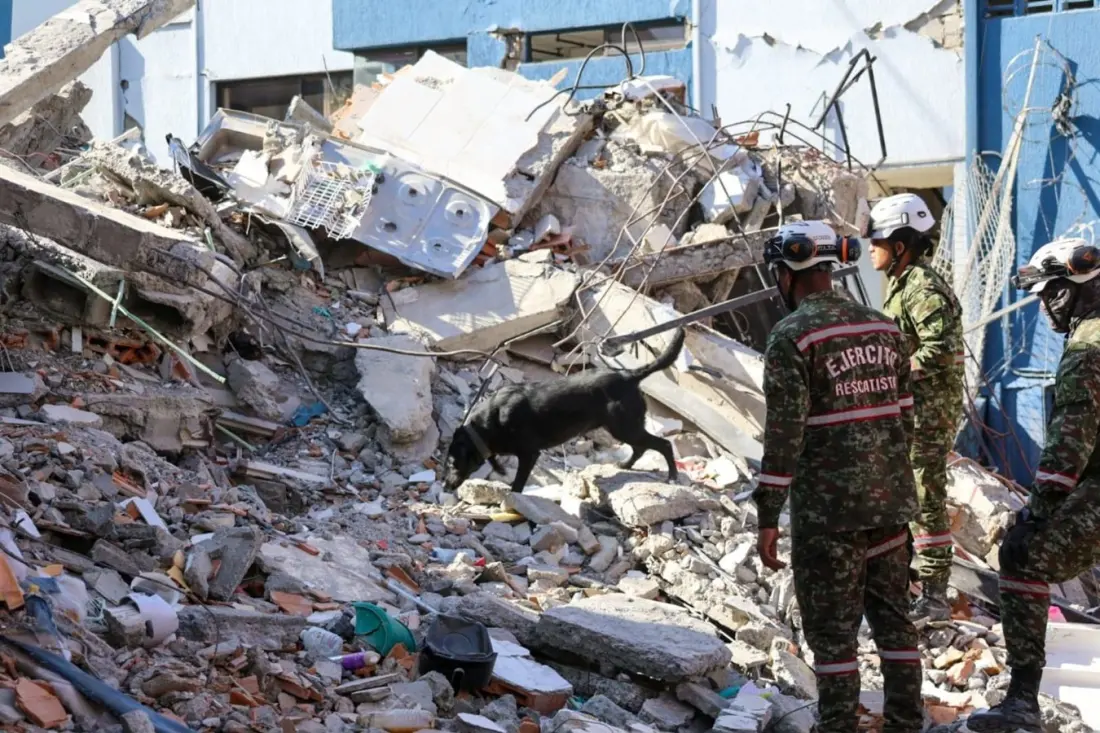
A 7.4-magnitude earthquake shook western Colombia on August 10, with its epicentre near San José del Palmar in the department of Chocó. Three months later, the recovery is lagging well behind the need, according to the country's Office of the Ombudsman.
The numbers are stark. More than 776,000 people were affected, and over 123,000 homes were destroyed or left uninhabitable. Colombia's ombudsman warns that families are still struggling to access rental support, healthcare, education and humanitarian aid — and that in rural areas the quake continues to disrupt basic services and local livelihoods, not just housing.
Money is a core part of the problem. The government's recovery plan faces a funding gap of around 50 trillion pesos (roughly US$15.5 billion). A temporary financial assistance programme for families who lost their homes has been allocated more than 124 billion pesos (about US$39 million), but registration delays and bureaucratic hurdles mean many eligible households have yet to see a peso. Questions over transparency in the handling of private donations have added political pressure to an already strained response.
The government, for its part, says it has mobilised roughly 1 trillion pesos (about US$312 million), including funds to repair or rebuild 7,385 homes, demolish dangerous buildings and support affected small businesses. But residents and aid groups — the International Organization for Migration flagged the shelter and income gap back in October — say visible progress on the ground remains thin, especially in Chocó, one of Colombia's poorest and hardest-to-reach regions.
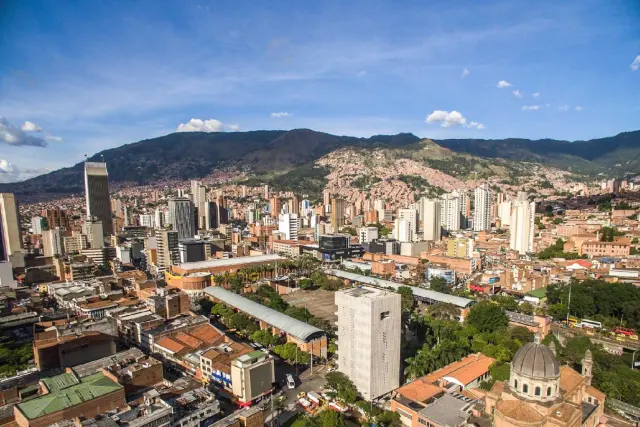
Why should travellers care? Chocó and the wider Pacific coast are emerging destinations known for whale watching, rainforest and Afro-Colombian culture, and the region's fragile infrastructure matters if you're planning a trip there. Some routes, services and small businesses may still be disrupted, and communities are dealing with genuine hardship — so check local conditions before travelling and favour operators and stays that put money directly into local hands. Elsewhere in Colombia, including major tourist hubs like Medellín, Cartagena and Bogotá, day-to-day travel is unaffected; the quake's impact is concentrated in western rural areas.