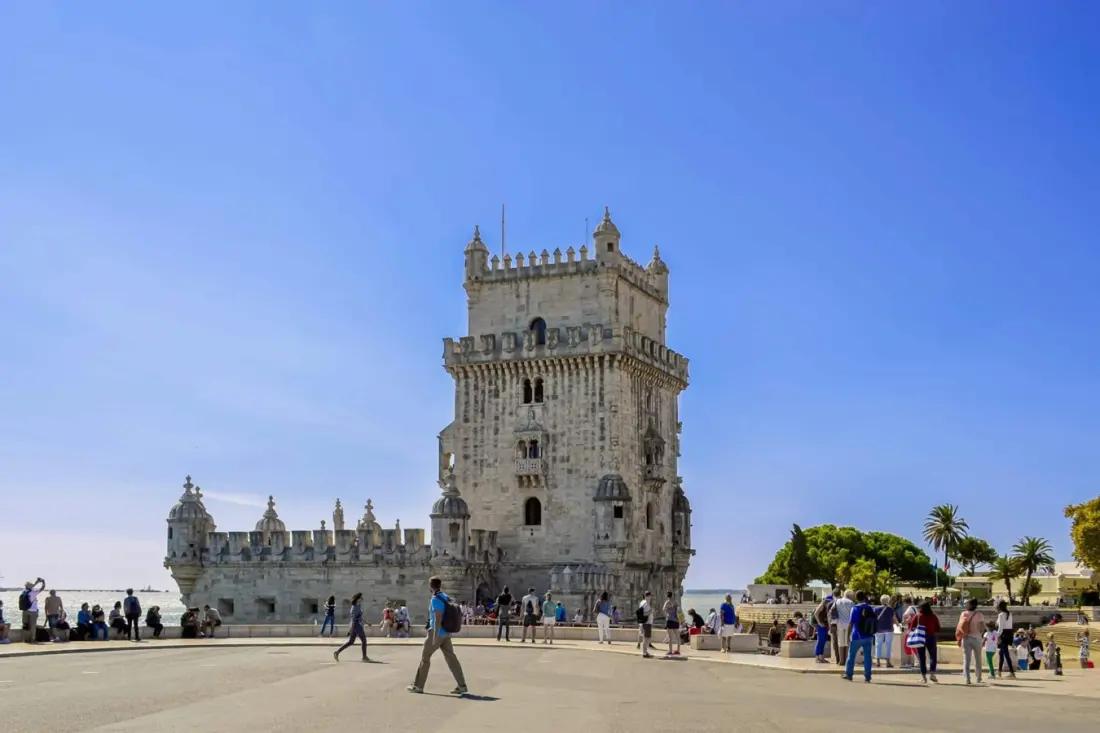
Lisbon is doubling down on its visitor economy. The city council has signed off on €25.8 million for a four-year tourism promotion programme running to 2029, handing the money to the Lisbon Tourism Association (ATL) and funding it through the city's Tourism Development Fund. It replaces a previous promotion programme that wrapped up in 2025 — and it's a bigger budget than the last one.
So what does the cash buy? A mix of traditional and digital muscle: support for tourism sales, a new digital project, communications agencies in key overseas markets, promotion of festivals and cultural events, and efforts to lure conferences and events to the capital. The ATL's 'Follow Me' visitor guide and international marketing campaigns also fall under the programme.
The strategy behind the spend is telling. The council says the extra money reflects the rising cost of digital promotion and a push to target high-value, long-haul markets rather than chasing raw visitor numbers. That's been ATL's line for a while — in August it framed Lisbon's challenge as improving the quality and value of demand. The numbers back the focus on long-haul: the United States was the Lisbon metropolitan area's largest source market in 2025, accounting for 16.2% of overnight stays.
Not everyone is convinced. Communist Party councillor João Ferreira questioned spending roughly €26 million on promotion while the city has other pressing needs, and criticised the lack of detail on how the money will be used. He also accused ATL of getting "easy money" compared with the scrutiny applied to smaller associations receiving far less. The funding passed anyway, backed by the governing PSD/CDS-PP/IL coalition with support from Chega, with the Socialists abstaining. It now goes to the Municipal Assembly.
Big events remain part of the playbook too. Separately, the council approved €8 million towards the 2026 Web Summit, again from the Tourism Development Fund, as part of the 2018 agreement keeping the tech conference in Lisbon from 2019 to 2028. The higher figure this year covers an expanded event, more exhibitors and visitors, extra build-up and dismantling days, and rising costs for energy, communications and cleaning. That vote was more contested — the PS supported it, while Livre, BE, PCP and Chega opposed. On top of that, €300,000 went to the 67th edition of ModaLisboa fashion week (October 7-11) and around €800,000 to 25 cultural organisations and initiatives through 2027.
For travellers, the practical takeaway is that Lisbon is set to keep investing in the things that make it an easy city to visit: event calendars, visitor information and international flights-and-campaigns marketing aimed squarely at markets like the US. Expect more festivals, conferences and cultural programming in the pipeline through 2029 — and a city government that sees tourism as worth fighting over, politically speaking.