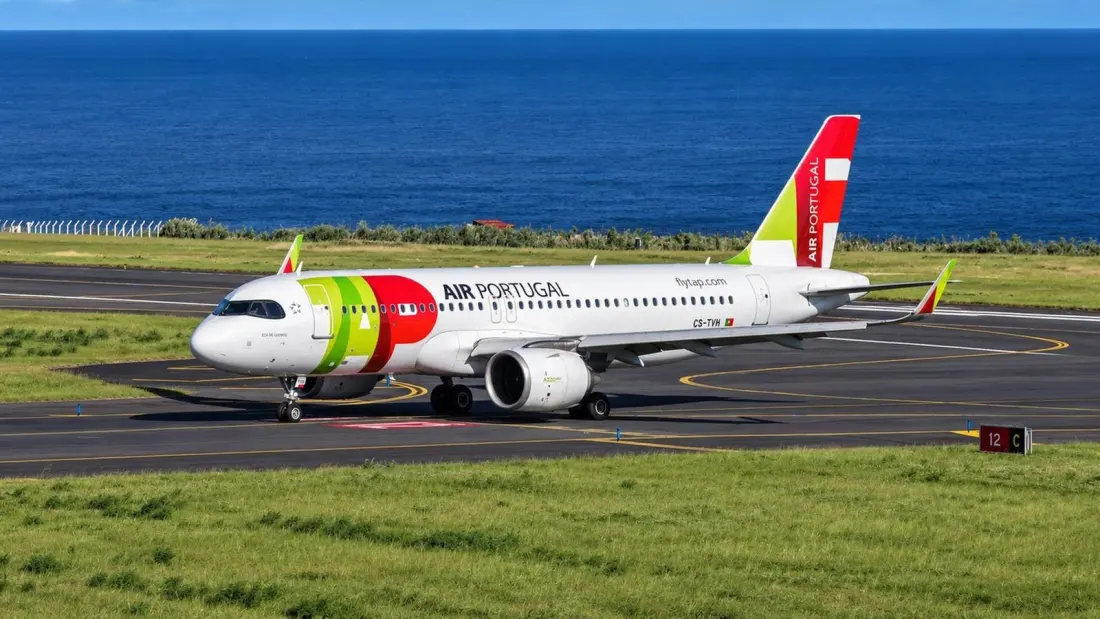
Lufthansa Group and the Portuguese government have signed a deal that will give the German airline giant a 44.9% stake in TAP Air Portugal for €1.025 billion (roughly $1.2 billion), with the option to raise that to 49.9% by buying shares currently reserved for TAP staff — which would take the total consideration to around €1.2 billion. The paperwork was signed at Lisbon Airport on November 3, 2026, just weeks after Portugal picked Lufthansa over the widely favoured rival bid from Air France-KLM. Completion still needs European Commission sign-off, with closing expected in 2028.
Why does this matter beyond the boardroom? Lisbon is set to become Lufthansa Group's seventh hub, joining the ranks of Frankfurt, Munich and Zurich. That should mean better connections through Portugal's capital, more investment in the Portuguese network, and a fleet potentially growing to 130 aircraft. Lufthansa has committed to preserving TAP's Portuguese identity and strengthening regional connectivity, and Lufthansa Technik's new facility near Porto is expected to push the group's Portuguese workforce past 1,000 people by 2030.
The real prize, though, is Brazil. Lufthansa estimates its slice of Europe–Latin America traffic at roughly 9% — a figure that could climb to around 20% with TAP in the fold. TAP's long-established Lisbon–São Paulo and Rio routes give the group access to a market where its own network has always been thin, and a stronger counterweight to IAG and Air France-KLM. The group is banking on up to €450 million in synergies, much of it achievable even before full control.
The blueprint is Iberia. After British Airways' parent IAG took it over, the Spanish carrier restructured and became one of Europe's most profitable airlines, posting a 16.2% operating margin and €1.31 billion in operating profit in 2025 on record Latin American capacity. Lufthansa wants to repeat that with coordinated schedules, purchasing and distribution — but with one catch: Iberia's turnaround happened under full ownership, while Lufthansa will initially share TAP with the Portuguese government, which retains the majority stake. A future full acquisition is under consideration.
As for how Lufthansa beat Air France-KLM: money. Portugal said the German offer was up to 16% higher and carried less uncertainty, with both bidders' strategic commitments landing in similar territory by the end. Prime Minister Luís Montenegro called it the choice that best protected Portugal's national interests.
For travellers, the near-term picture is stability — TAP keeps flying as usual while approvals play out, and its Star Alliance membership means no loyalty-programme upheaval. Longer term, expect denser connections between Europe and Brazil via Lisbon, and possibly new routes to Portuguese-speaking Africa and North America. If you fly the Atlantic corridor regularly, this deal could reshape your options by the end of the decade.