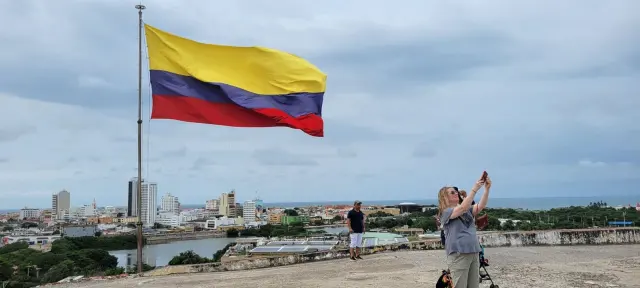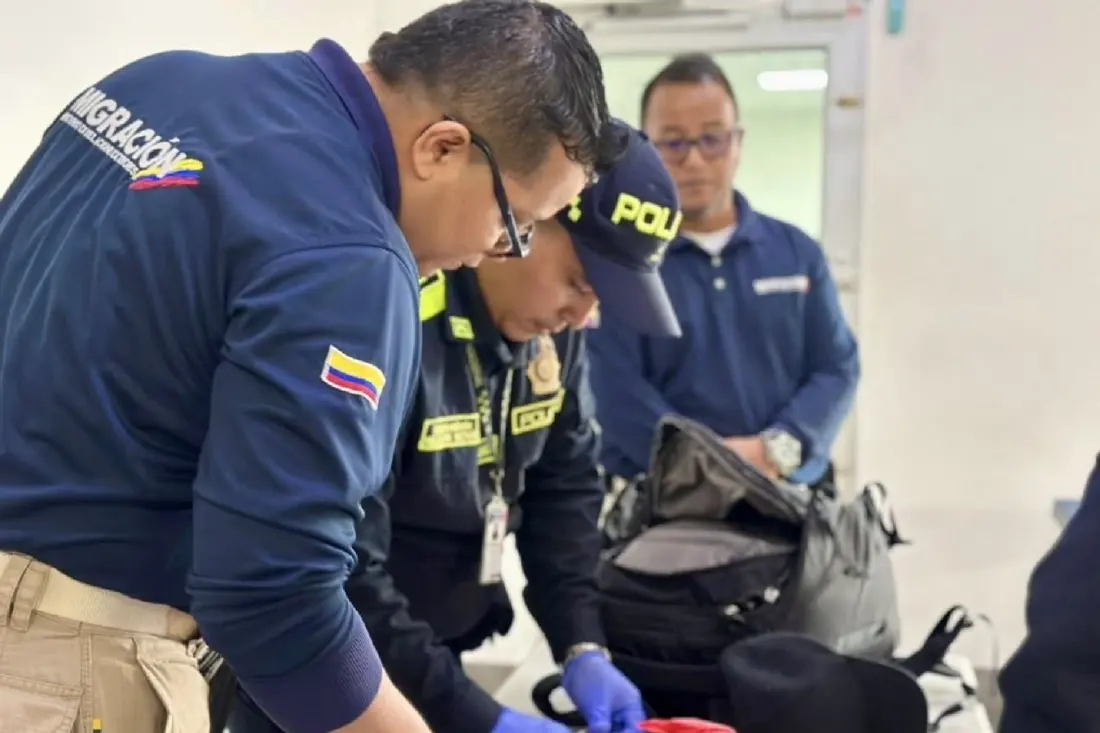
Travellers flying into Cartagena may notice a heavier security presence at arrivals. The US Embassy in Colombia and Colombian authorities have stepped up joint anti-trafficking controls at Rafael Núñez International Airport, the main gateway to the Caribbean coast's most popular city.
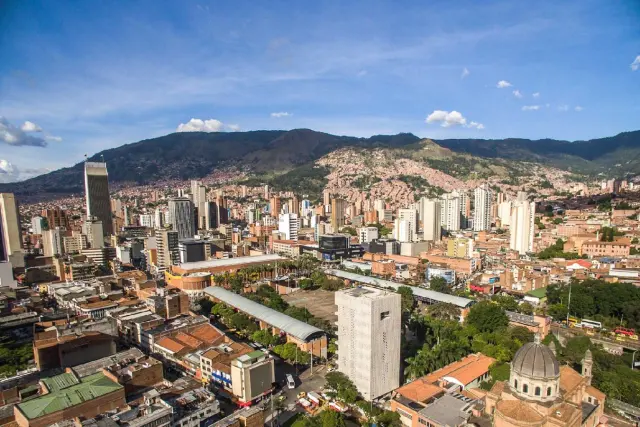
The programme brought together the State Department, Customs and Border Protection's international affairs office and Homeland Security Investigations to train 29 officers from Colombia's National Police and Migración Colombia. It was the third such training at a Colombian airport, following earlier sessions in Medellín and Bogotá, and included a hands-on phase right at international arrivals.
The results were concrete. Over eight days of operations, officers carried out more than 450 inspections of foreign nationals. Migración Colombia refused entry to 38 people after checks, plus another 10 who failed entry requirements for reasons like missing documents or outstanding international alerts. Separately, 39 individuals flagged as potential threats due to links to trafficking or child sexual exploitation were detected over a two-week window. Authorities stressed these are administrative immigration decisions, not criminal convictions — risk indicators alone don't equal guilt.
The training focused on practical skills: reading risk profiles, analysing advance information, observing behaviour and conducting interviews to spot signs that someone may be arriving to exploit people, particularly children and teenagers. Officials framed the effort as protecting Cartagena's tourism economy as well as its residents — the city wants visitors who come for the walled old town, the islands and the beaches, not criminals using its hotels and infrastructure as cover.
For ordinary travellers, the practical impact should be minimal: routine arrivals won't change much beyond possibly longer queues or more questions at immigration. But the story matters for anyone choosing Cartagena as a destination. It signals that one of Latin America's most visited cities is actively trying to clean up the darker side of tourism, and that border screening there is now among the region's most vigilant. If you're travelling with children or considering Cartagena as a family destination, this is a positive signal about the direction of local enforcement. Tour operators and hoteliers also have a stake — a safer destination protects the reputation that draws cruise passengers and long-haul visitors in the first place.
Migración Colombia's director general, José Luis Castañeda, put it plainly: the goal is for Cartagena to stay a renowned destination where tourism benefits the community in a safe environment that respects everyone's rights.
If you have a trip to Colombia coming up, carry complete documentation — return tickets, accommodation details and proof of sufficient funds can all be requested at immigration — and expect officials to take entry checks seriously, especially at Cartagena, Bogotá and Medellín.