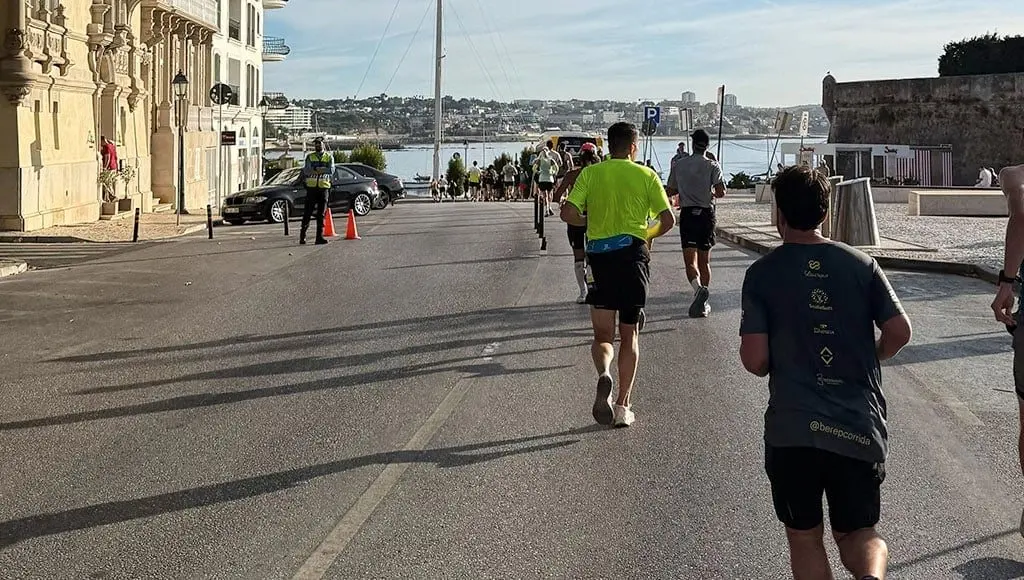
More than 8,000 runners finished the Lisbon Marathon this year, and a striking number of them came from abroad. The UK sent the largest contingent of international runners, ahead of France, Spain and Italy — a sign of how marathon weekends have quietly become a proper travel trend.
This year's edition also marked Lisbon's first appearance on the European Marathon Classics circuit, a series linking eight major city marathons across Europe. Runners who race in the series collect a magnetic coin at each event; complete five of the eight and you earn a medal to show for it. For anyone tempted to build a few years of holidays around a challenge, it's a ready-made itinerary.
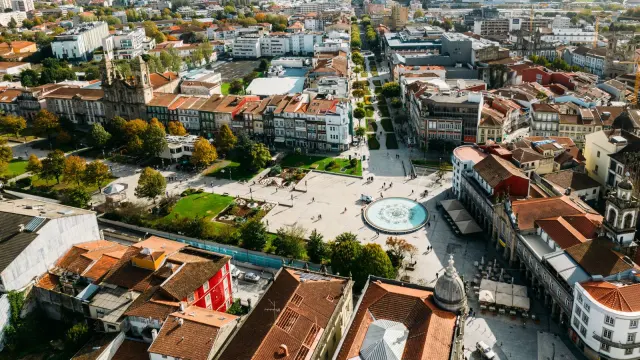
The course itself is a big part of the draw. Unlike marathons that loop through downtown streets, Lisbon's route starts on the coast at Carcavelos, swings through Cascais, then follows the shoreline back into the city. Runners pass Belém Tower and the Jerónimos Monastery before finishing beneath the archway at Praça do Comércio, one of Lisbon's grandest squares. The race dates back to 1986, when the original route finished at Rossio, so the event has had four decades to refine its setup.
The first-person account behind the article adds a useful reality check. The writer ran the same marathon two years in a row: the first time on improvised training, finishing just over four hours after hitting the wall; the second time following a structured plan through the Runna app, mixing long runs, easy sessions and speed work, and paying closer attention to fuelling. The result was a 3:24:27 finish — roughly 39 minutes faster. The lesson for anyone eyeing a destination marathon: the holiday is the reward, but the training plan is what gets you to enjoy it.
Even well prepared, the writer describes a familiar middle-race crisis — heavy legs, slowing pace, questioning every life choice — with the final kilometres spent in what runners call the pain cave. The Man-icured landmarks along the route may go unappreciated at kilometre 35. But the finish, and the thousands of people suffering alongside you, is what makes people book again the following year.
For destinations, this is serious business. Running tourists book hotels, fill restaurants, use transport and typically stay a few extra days beyond race day. Increasingly, the race isn't something squeezed into a city break — it's the reason the trip exists. Lisbon, with a scenic coastal course, a mild climate and a spectacular finish line, is well placed to keep collecting those visitors. If you've ever wanted an excuse to train through winter and reward yourself with pastéis de nata in the autumn sun, this is a solid one.