
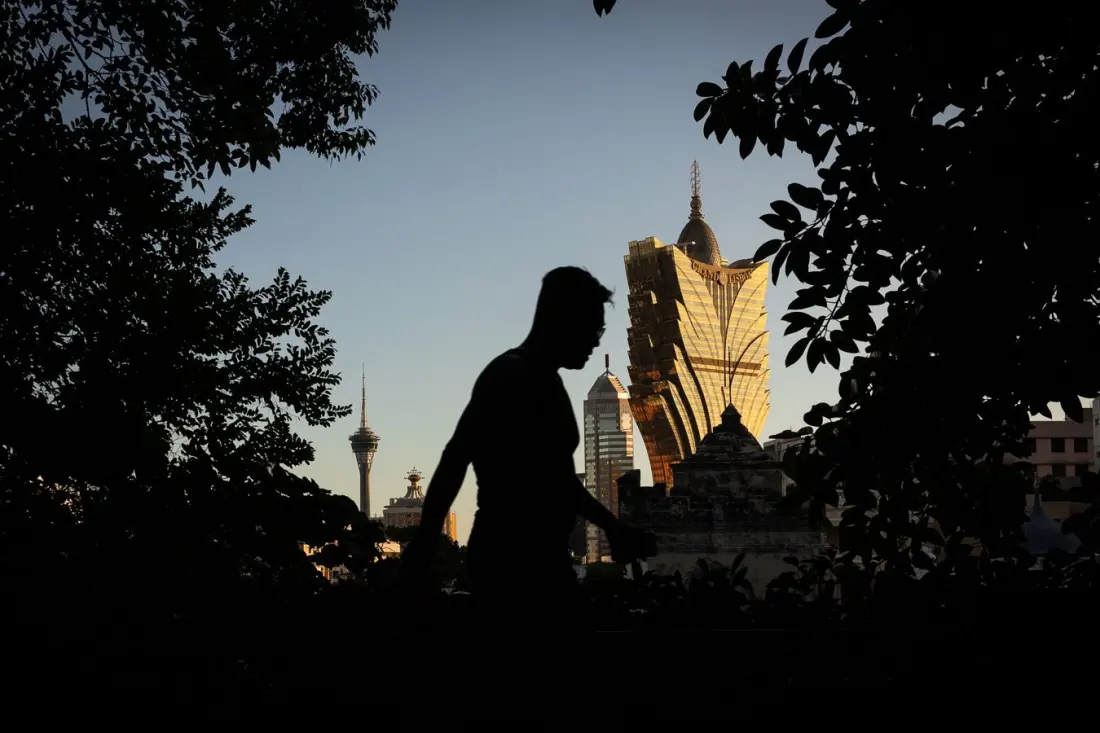
Fusion food gets a bad rap. Chefs sprinkle it on menus when they've run out of ideas. But in Macau, fusion isn't a concept — it's the whole city, built over four and a half centuries of Portuguese rule, Maritime Silk Road trade, and Chinese life layered on top of each other.
The numbers behind that story are striking. Portugal handed the territory back to China 27 years ago, ending 442 years of administration and closing the book on Europe's last Asian colony. The handover deal came with a 50-year guarantee under the 'One Country, Two Systems' framework: Macau keeps its own legal system, economy and culture until 2049, after which it's due to fold into the Guangdong–Hong Kong–Macao Greater Bay Area — an eleven-city megaregion being assembled around one of the densest, fastest-growing urban populations on earth. So Macau is simultaneously a city just getting started and one with a countdown clock running.
For travellers, the payoff is on the plate and in the streets. UNESCO has recognised Macanese cuisine as the world's first true fusion food: Portuguese cooking reshaped by Chinese technique, Goan spices, Malay ingredients and Japanese touches, all developed organically over generations of traders and settlers. It's the opposite of designed fusion — dishes like minchi, African chicken and the city's famous egg tarts exist because families actually lived between two food worlds. And the setting matches it: cobblestone streets paved with stones that once served as ballast on Portuguese ships, Taoist temples pressed up against Mediterranean-style plazas, colonial churches a short walk from Chinese shrines.
Then there's the thing most people already know Macau for. It remains the only place in China where casino gambling is legal, and it has dominated the field since 2007, when it overtook the Las Vegas Strip in gambling revenue — never giving the crown back. Today its casino economy runs several times larger than Vegas's. But you don't need to gamble to enjoy the city; much of what makes Macau worth a trip — the historic centre, the food, the oddball cultural blend — costs nothing at all.
Why it matters for travellers: Macau is one of the few places where you can eat a UNESCO-recognised cuisine that genuinely evolved over centuries, wander a compact historic core on foot, and experience a culture operating on a visible deadline. The 2049 integration means the Macau of today won't look like this forever. Anyone curious about what happens when Europe and Asia share a city for 442 years should go sooner rather than later — and come hungry.