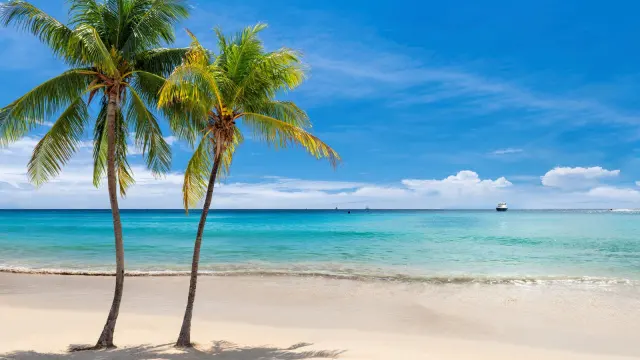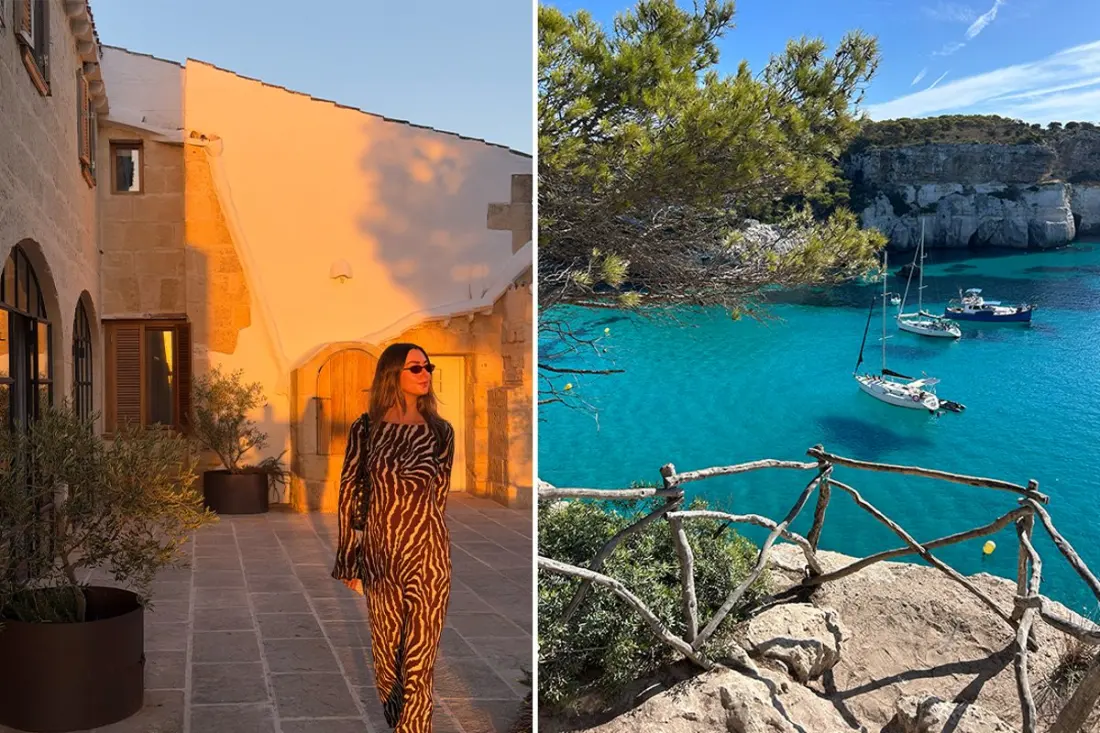
Swimming over schools of fish in a turquoise bay with nobody else around sounds like the Maldives. On Menorca, it's just a Tuesday. Mallorca and Ibiza's smaller sibling received just 1.7 million visitors in 2025, compared with Mallorca's 13.5 million and Ibiza and Formentera's combined 3.7 million — and that gap is exactly the island's selling point.
A Unesco Biosphere Reserve, Menorca bans high-rise development, leaving rural countryside, protected marine life and undeveloped sandy coves. Locals say spring, when wildflowers cover the island, is the prettiest season; September visits now feel unusually busy, so the secret is clearly leaking.
The accommodation scene has evolved too, though in keeping with the island's low-key character. The Experimental group opened Menorca Experimental in 2023, a 34-room hotel set in a 19th-century finca with a spa and destination restaurant. Amagatay, in the south, is a rural farmstead with one of the island's most talked-about restaurants, part of a wave of agroturismo conversions of old agricultural estates. In the north, Morvedra Nou turns former farm buildings into rooms across acres of countryside, growing its own olive oil and produce. The Vestige Collection takes abandoned fincas and manor houses — Son Vell, Son Ermità and newly opened Binidufà — and converts them into sustainability-focused hotels with farm-to-fork dining.
Don't arrive expecting big resorts. The point is slower: bike rides, horse riding, hikes and reading under olive trees. The Camí de Cavalls, a 185km historic trail circling the island, links beaches and coves that roads can't reach — the stretch between Cala en Turqueta and Macarella passes through pine forest with barely another person in sight.
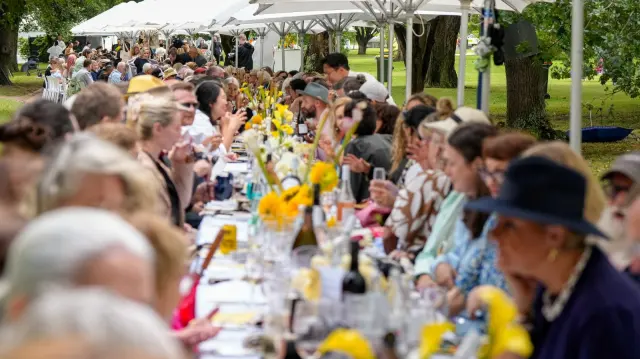
Food and drink punch above the island's size. Menorca's olive oil is a regional must-try, and wine has been made here since Roman times, with nine artisanal wineries including Bodegas Binifadet, which offers tastings and dinner. Nonna Bazaar is among the most photographed restaurants, while Coral on the north coast perches tables above rocky coastline for sunset. Even the beach bars are understated: Bucaneros at Playa de Binibeca occupies a 1960s fishing hut with a red door, and family-run Bar Som Sis at Cala Binidalí serves fresh seafood from a hilltop.
For culture, Ciutadella's preserved medieval streets and palaces reflect Roman, Islamic and Christian layers of history, plus a lively food market and harbour. The capital Mahón, once a British naval base, now has a contemporary art scene including a Hauser & Wirth outpost on Illa del Rei, housed in a restored 18th-century naval hospital.
Who's it for? Travellers who liked the Balearics but have outgrown beach clubs. Menorca is often cheaper than its flashier neighbours, easy to reach from the UK, and rewards anyone happy to trade nightlife for empty coastline. Flights from major UK airports start around £38, and a three-day car hire cost the writer about €220.