Every August, a stretch of American highway turns into one giant secondhand market. The 127 Yard Sale, billed as the World's Longest Yard Sale, runs for four days — Thursday to Sunday in the first week of August — along a 690-mile route from Addison, Michigan, down to Gadsden, Alabama, threading through Ohio, Kentucky, Tennessee and Georgia along the way. Hundreds of thousands of shoppers and vendors show up each year, and it's easy to see why: the event features more than 10,000 vendors spread across 35-plus major stops plus countless small roadside and front-yard sales.
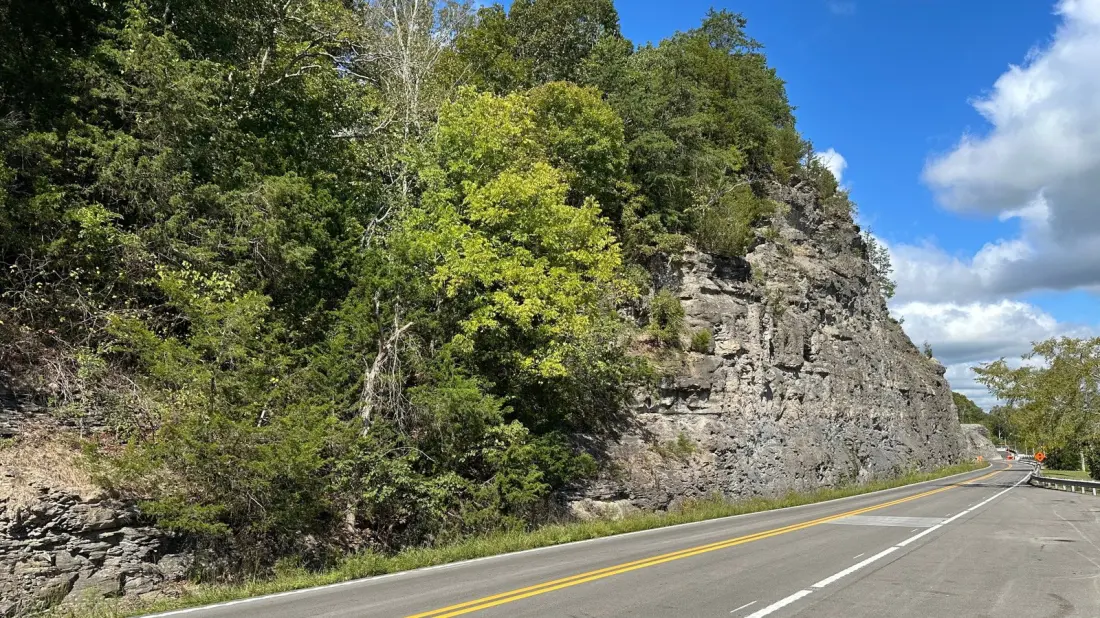
The sale dates back to 1987, when it was dreamed up to pull travellers off the interstates — I-40 and I-75 — and onto the quieter back roads of rural America. It started as a Kentucky–Tennessee affair and kept growing until it reached today's six-state footprint. The name comes from U.S. Route 127, which the route follows for much of its length, though it veers off in Georgia and Alabama, where the turnoffs are easy to miss.
The big stops are worth planning around. Van Wert, Ohio pairs its huge sale with scenic trails and artsy shops; Liberty, Kentucky has waterside walking paths at Liberty Lake; and Pikeville, Tennessee sits in a valley of waterfalls and mountain views. Major stops at fairgrounds can host up to 350 vendors and feel like full-blown flea markets, while the smaller neighbourhood sales are where collectors hunt for sports memorabilia, vintage signs, rare books and odd historical artifacts. Expect the usual yard-sale mix too: furniture, vintage dresses, pottery, kitchenware, toys and books.
Because the drive end to end takes about ten hours, most people pick a section or a couple of stops rather than tackling all 690 miles. That's no bad thing — the sale doubles as a tour of small-town America, with state parks, museums, wineries and local restaurants dotted along the route, and the official website lists hundreds of lodging options and printable maps.
A few practical tips make the difference between a fun day and a frustrating one. Arrive early if you're after something specific, bring cash since many vendors can't take cards, and be ready to haggle — it's expected. Wear shoes you don't mind ruining, because sales spill out of barns and warehouses into grassy fields and pastures that can turn muddy after rain. The event's appeal is partly its unpredictability: vendors appear along the route that never make it onto any official map, so leave room in the schedule to stop whenever something catches your eye.
For bargain hunters, antique collectors and anyone who likes a road trip with a treasure-hunt element, this is one of America's most distinctive summer events — part shopping spree, part slow tour of towns the interstate never visits.