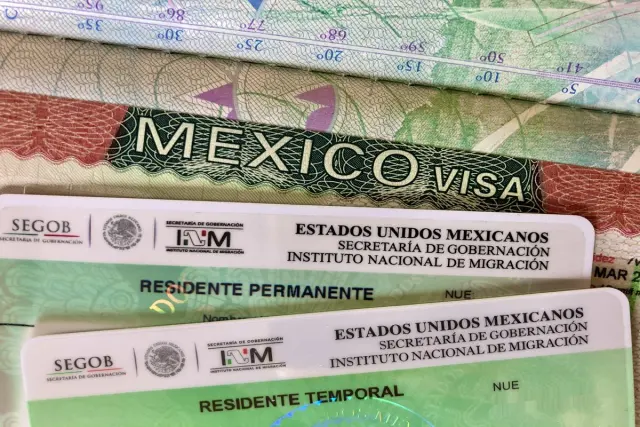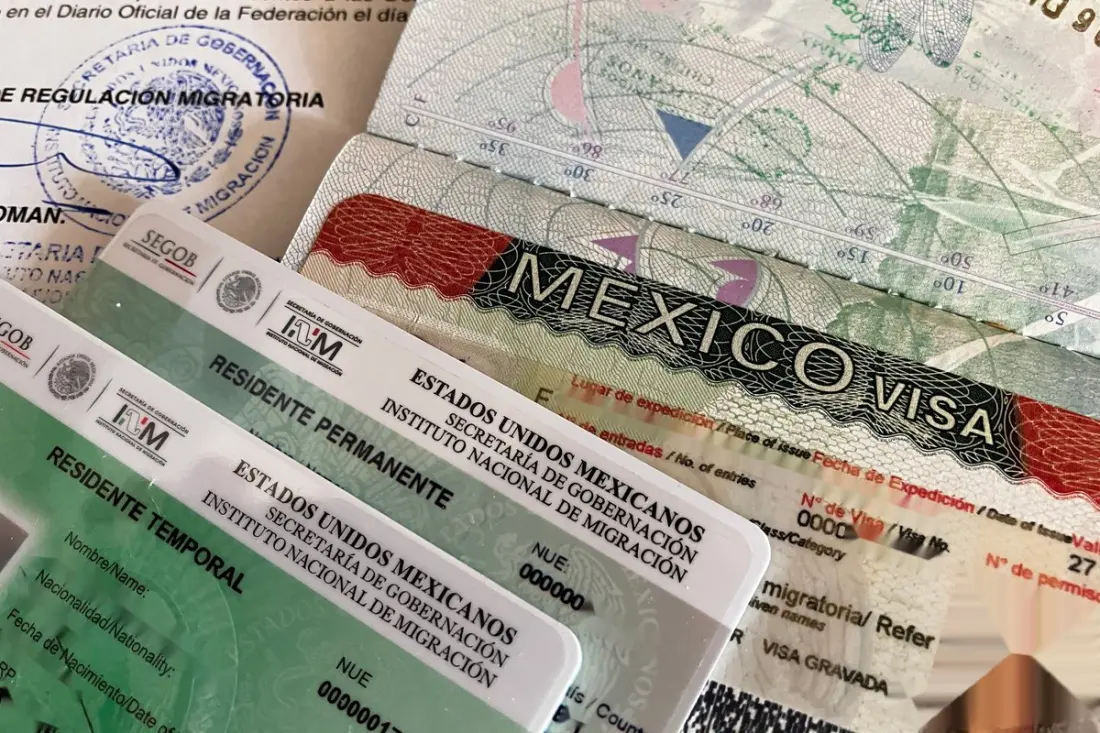
Planning to make Mexico your home base? The rules of the game change on January 1, 2026, and the shifts are significant: government fees for residency cards are doubling, and the income or savings you need to qualify is going up.
Two legislative moves set this in motion. First, in July 2025 the government published updated immigration guidelines that abandoned the old practice of setting financial thresholds as multiples of the Minimum Daily Wage, switching instead to multiples of UMAs (a unit tied to average wages). That sounds technical, but the net effect is simple: the rebased multiples mean applicants now need more income or savings than before to qualify for Temporary or Permanent residency. The 2026 thresholds haven't been published yet, but they're expected to rise at least in line with inflation, currently running around 4%.
Second, Mexico's Congress passed a law in autumn 2025 doubling the government processing fees for residency visas and cards — a break from years of inflation-only increases. A revised fee schedule published on November 7, 2025 confirmed the 100% rise. The practical upshot: the typical total cost of the 'five-year journey' from Temporary to Permanent residency per applicant jumps from roughly $25,000 pesos (about US$1,350) to more than $50,000 pesos (about US$2,700). There's some relief for certain applicants: those applying via Family Unit — married to a Mexican citizen or to an existing foreign resident — and those with a company job offer get a 50% discount on the 2026 fees.
Money isn't the only hurdle. Immigration offices are tightening procedures across the board. Applications based on Family Unit, which used to be completed within a week, are now taking two to three months in some cases, with officials making routine home visits as part of the process. Appointment lead times are stretching, and some state offices now demand proof of a residential address in Mexico — often two separate documents, such as a utility bill plus a rental contract.
If you're mid-plan on a Mexican relocation, or your Temporary residency is up for renewal next year, budget extra time and money. Build in longer processing windows, gather address documentation early, and expect the INM's January 2026 tariff schedule to reveal whether ancillary fees (card replacements and other ad-hoc charges) have doubled too.
One more caveat worth noting: now that fees have broken free of the inflation-only pattern, future increases are harder to predict. Anyone considering Mexico as a long-term base — whether retired, semi-retired, or working remotely with transferable skills — should factor the new cost base into their plans rather than assuming the old, more forgiving benchmarks still apply.