Ajay Narsingh Rana grew up in a Kathmandu household where nature was part of everyday life. His father designed postage stamps from photographs of impeyan pheasants, ghoral and butterflies; his uncle was a forester. That early exposure eventually turned into a lifelong project: documenting Nepal's biodiversity through a camera lens, from mountain trails reached by bike to the patch of scrub near his own front door.
While visiting photographers tend to point their telephoto lenses at tigers and elephants, Rana went the other way — macro. His close-up work reveals insects, spiders and larvae in startling detail: colours, textures and shapes most of us would walk straight past. During the 2020 Covid lockdown, when travel was off the table, he turned his camera on the small green space near his Kathmandu home and found it teeming — butterflies, grasshoppers, arachnids, worms, and even carnivorous firefly larvae hunting snails in the undergrowth. A patch of ground drivers wouldn't glance at twice turned out to be a miniature wilderness.
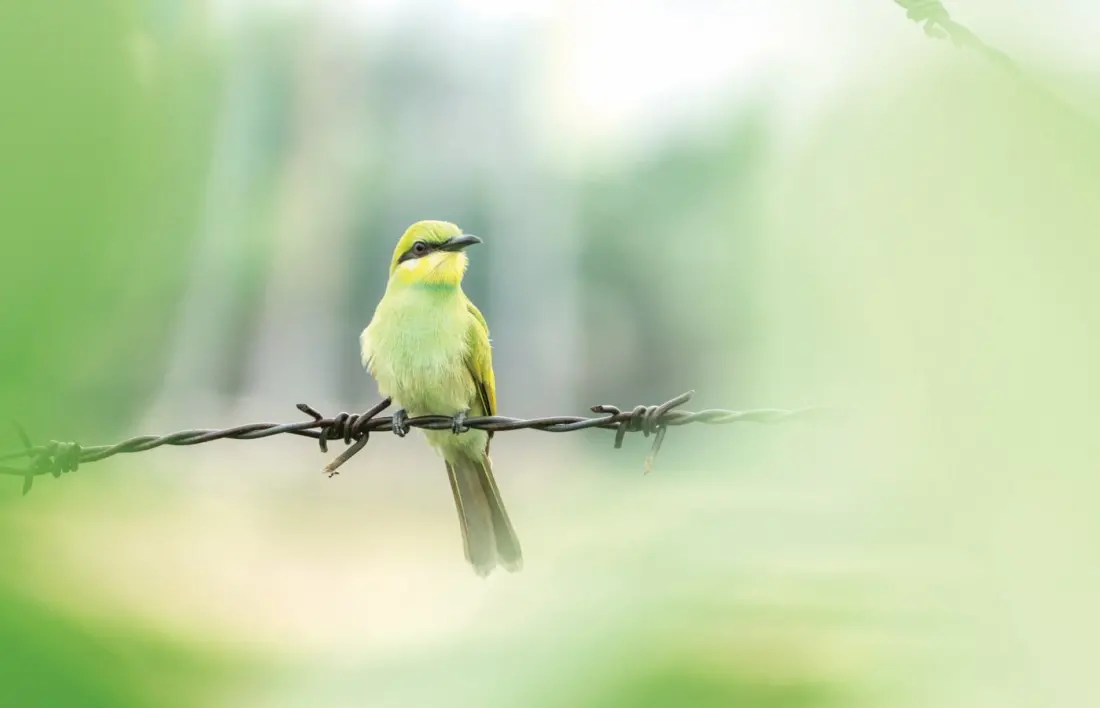
He taught himself to identify the species by searching his images online, then began posting them on a website and social media. That archive grew into something bigger, and the result is The Wild Wonders of Nepal, a self-published 131-page book launching on 2 October. It moves from the tiniest critters through Nepal's rich birdlife to its big, charismatic mammals, shot across macro and telephoto lenses, with careful attention to how the images are reproduced on the page. Rana's argument runs through every caption: small creatures matter. He quotes the American scientist Jonas Salk — if insects vanished, all life on Earth would end within 50 years; if humans did, life would flourish.
Why should a traveller care? Because Rana's core message is refreshingly democratic: you don't need expensive gear or technical skill to photograph Nepal well. The country's dramatic range of altitude and climate packs an enormous variety of species into a compact area, and interesting subjects start right at the edge of the trail — or the city. Next time you're trekking the Annapurna circuit, waiting out a monsoon afternoon in Kathmandu, or birding in Chitwan, it's worth slowing down and looking at what's buzzing around your boots. Nepal's megafauna gets the headlines, but the smallest residents are half the story.