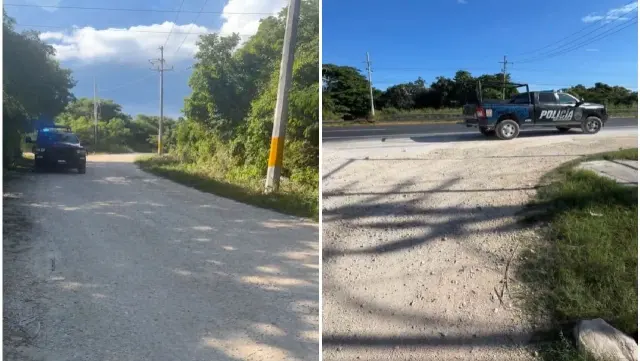
Federal environmental inspectors have sealed off 25 properties across Quintana Roo, Mexico's Caribbean-corner state that takes in Cancún, the Riviera Maya and Bacalar, after finding forest land stripped without permits.
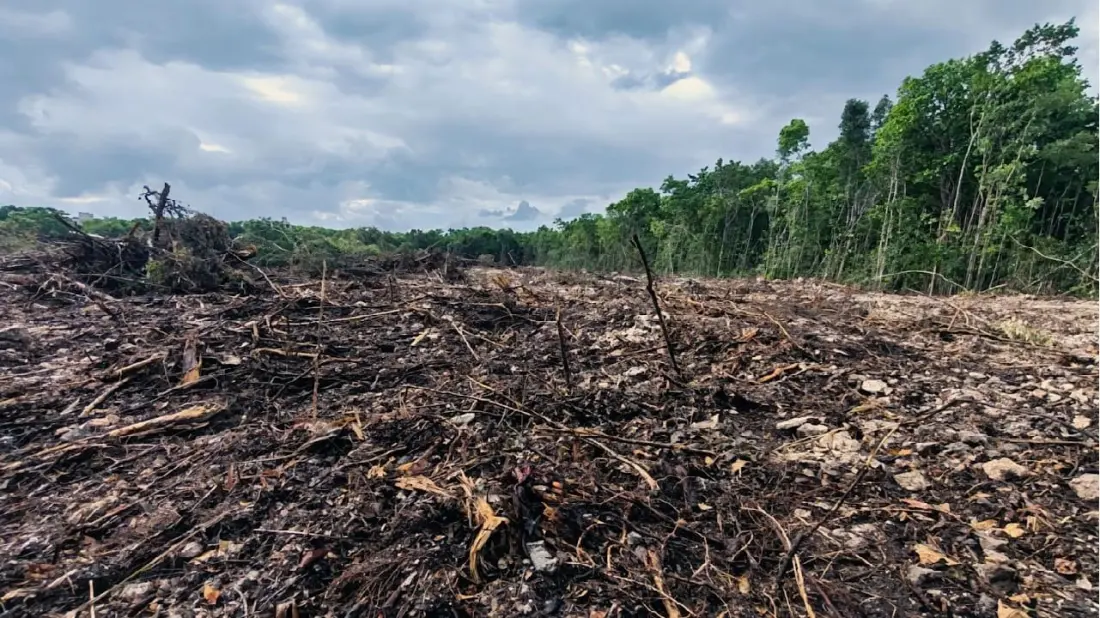
The agency behind the closures, Profepa, carried out inspection visits between October 20 and 29. What they found was substantial: around 332 hectares of low and medium sub-evergreen forest removed through land clearing, road building and other work, none of it backed by the authorisation required from the environment ministry, Semarnat, before forest land can be converted.
The bulk of the closures — 25 sites — fall within the San Isidro Poniente ejido in the municipality of José María Morelos, an inland area well off the usual tourist trail. According to residents there, the clearing was carried out by members of a local Mennonite community. Inspectors say that claim, along with the land's ejido and usufruct status, will now be examined in administrative proceedings. Notably, this follows a pattern: last year federal teams shut 17 Mennonite-run properties for illegal clearing across the Yucatán Peninsula, covering more than 3,700 hectares and triggering close to a dozen federal lawsuits.
Two of the newly closed sites sit closer to travellers' itineraries. One is a project beside the Bacalar Lagoon — the famous 'lagoon of seven colours' in southern Quintana Roo — where construction linked to the Los Rápidos Restaurant was stopped and sealed pending an environmental impact review. The other, in Cancún's southern polygon, saw just over two hectares of secondary forest completely cleared and works shut down in total.
For anyone who has visited Bacalar lately, the news is easy to read in the water. Runoff from cleared land carries sediment into the lagoon, dimming the blues and greens that draw visitors, and stressing the stromatolites — rare living rock formations — that make it ecologically special. Profepa flagged the wider risks of unauthorised clearing in similar terms: biodiversity loss, soil erosion and habitat fragmentation.
The closures are precautionary, not final verdicts. Investigations continue, and sanctions or restoration orders could follow once proceedings conclude. But the message for the region's tourism sector is clear: the rapid build-out around Cancún, Tulum and Bacalar is under real scrutiny, and developments without environmental sign-off can be shut mid-project.
For travellers, none of this closes the region for business. Bacalar's lagoon tours, the restaurants on its shore and the cenotes of the Riviera Maya are operating as usual. The story matters more as context: the postcard scenery is under pressure, and choosing operators and accommodation with credible environmental credentials is one way visitors can help keep the seven colours seven.