The United States is having its worst measles year since 1991. As of 5 November, the CDC counts 5,182 confirmed cases across 45 states plus DC — more than double the 2,289 cases logged in all of 2025. Eighteen of the infections were international visitors, and 96% of cases tie back to 43 separate outbreaks, meaning the virus is moving along ordinary travel routes rather than staying in isolated pockets.
Pennsylvania is the epicentre with 1,487 cases, followed by South Carolina (670) and Utah (536). The surge is driven by falling childhood vaccination rates: MMR coverage among school-entry children slipped from 95.2% in 2019-20 to 92.4% in 2025-26, just below the ~95% threshold needed to keep measles from spreading in a community.
The human cost is real. There have been 562 hospitalisations — 11% of cases — and about 3,000 infections involve people under 20. The CDC lists four deaths, though state health departments count at least eight, including children in Pennsylvania, New York and Wisconsin.
The outbreak also threatens the US measles elimination status held since 2000. A Pan American Health Organization committee will decide whether sustained transmission has gone on long enough for the country to lose that designation. The political backdrop is heated too: Health Secretary Robert F. Kennedy Jr.'s long-standing vaccine scepticism has drawn criticism from medical experts as coverage rates slide.
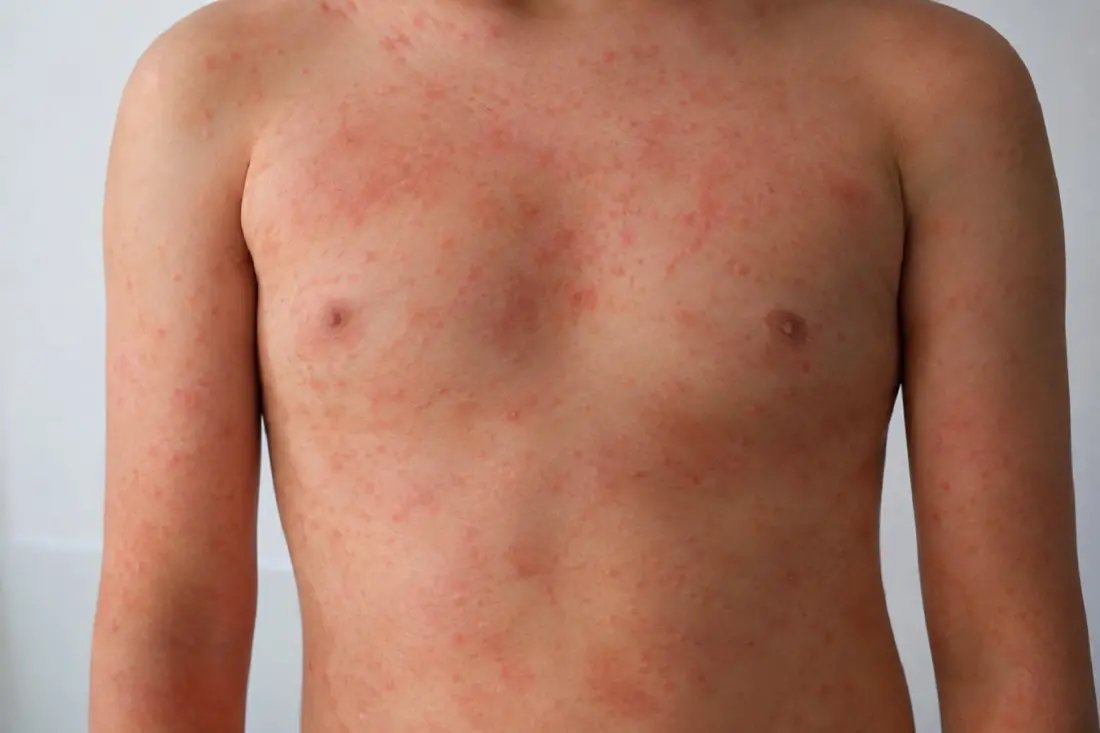
Why this matters for travellers: measles is airborne and highly contagious — you can catch it from the air in a room an infected person left hours earlier. Symptoms start with fever, cough, runny nose and conjunctivitis before the telltale rash, and complications include pneumonia and brain inflammation, most dangerous for young children and immunocompromised people.
If you're heading to the US, or returning home after a visit, the practical step is simple: check your MMR status. Two documented doses of the vaccine protect around 97% of people for life. Babies travelling internationally can sometimes get an early dose from six months of age — worth discussing with your doctor. Travellers who are unvaccinated, unsure of their history, or travelling with infants should factor the risk into plans involving Pennsylvania, South Carolina or Utah in particular, and know that exposure notifications can follow you home through airline contact tracing. A quick pre-trip vaccine check is a lot easier than recovering from measles.