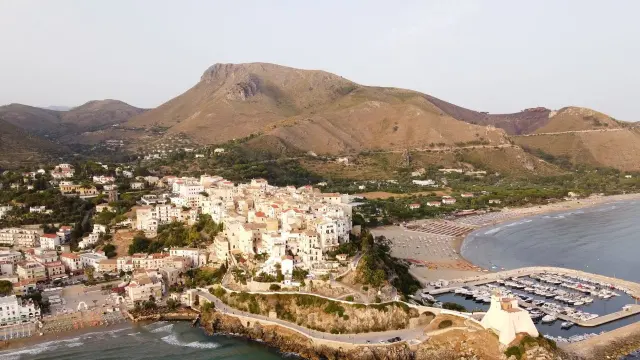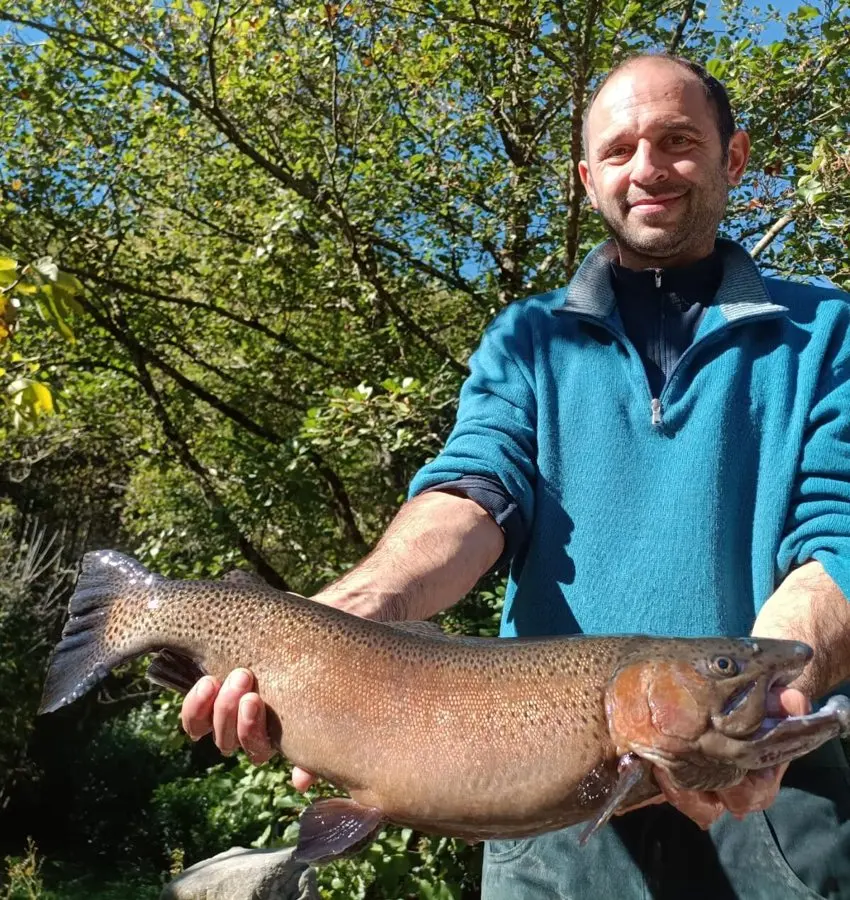
Stia, a small town in Tuscany's Casentino Valley, sits near the very source of the Arno river — and just a short walk from a 13th-century mill stands a trout farm with a story worth the detour. Molin di Bucchio, a 19th-century fish farm, shut down in 1974 and sat abandoned for more than three decades. Its stone tanks ran dry of both water and fish until 2008, when four childhood friends who had grown up fishing the valley's rivers decided to bring it back.
The restoration was hands-on. They cleared overgrown vegetation from the tanks and reconnected the flow from the Arno, which passes practically at the doorstep — the river rises just five miles upstream in the Apennines. The idea was simple: raise trout again, support native species, and help restock local waterways. What they didn't plan for was the kitchen door. Today the farm supplies some of Italy's best restaurants, a reputation built quietly from a valley most visitors rush past on the way to Florence or Arezzo.
The farm's story has more than one near-miss. The adjacent mill stopped working in the 1960s, but trout farming carried on, with new tanks added over the years — until the sudden death of one of the owning brothers triggered family disputes and shut everything down. In 2000, owner Claudio Bucchi began clearing the site, hoping to see the tanks running again as he remembered them from his own childhood. Eight years later, the friends picked up where he left off, and this time it stuck.
For travellers, this is the Casentino in miniature: a corner of Tuscany where forests, monasteries and fast, cold rivers matter more than wine roads, and where a plate of locally raised trout tells the story of the valley better than any menu blurb. Combine a visit with the Casentino Forest National Park, the Romanesque parish churches scattered through the hills, and the pilgrimage sites of La Verna and Camaldoli nearby. Stia itself — a compact stone town at the confluence of the Arno and Staggia rivers — makes an easy base.
Why it matters: this is slow-food travel in a region better known for its postcard hits. Come here and you eat fish raised metres from your table, in tanks fed by the same river you walked along that morning.