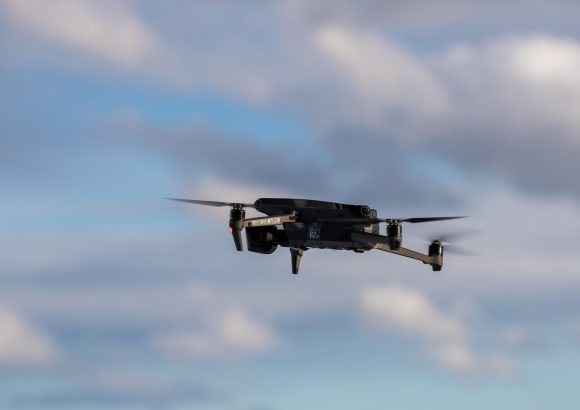
Ericsson has unveiled a 5G-based system in the Dominican Republic that can detect and track drones — even the ones flying silently, with no network connection at all. The pitch to Dominican authorities comes as the country keeps building out its telecoms backbone, and it quietly has a lot to do with travel.
The technology, called the Ericsson ISAC System, is clever in how little new hardware it needs. Rather than blanketing the country with dedicated radar, it piggybacks on 5G mobile towers, using their existing spectrum and connections to pick up electromagnetic reflections from objects in the air. Multiple sites work together to pinpoint and follow a drone in three dimensions, with artificial intelligence helping classify what the object actually is. The company says trials in the United States, Finland and Poland have already tracked small drones at kilometre-scale distances.
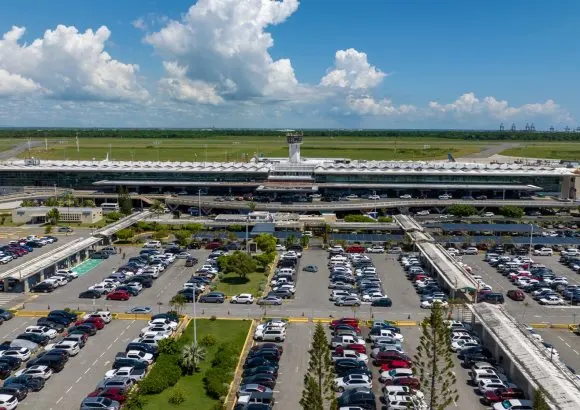
Why does this matter for a Caribbean holiday? Small, cheap drones have become a real headache for security services — used for smuggling, illegal spying and organised crime, and notoriously hard for conventional radar to catch at low altitude. In the Dominican Republic, the likely coverage areas read like a map of a typical trip: airports and ports such as Caucedo and Río Haina, border and coastal zones, power plants, and notably hotels, stadiums and large public events — the staples of a Punta Cana or Santo Domingo stay. Detected drone data would flow securely to command centres and plug into the national 911 system and security agencies.
There's a longer-game angle too. Ericsson argues the same monitoring layer could eventually manage commercial drone traffic and air-delivery services in Greater Santo Domingo and Santiago. If that happens, the infrastructure being discussed today could shape how tourists and locals alike get goods — and eventually who knows what else — dropped at their door.
For travellers, this isn't a reason to book a flight. But it is a sign of where the Dominican Republic is heading: a destination investing not just in beachfront rooms but in the invisible systems that keep airports running, resorts secure and big events safe. For the tourism industry and local operators, it signals stricter oversight of low-altitude airspace — worth knowing if you fly a drone of your own on holiday, since unregistered flights may soon be much easier to spot.