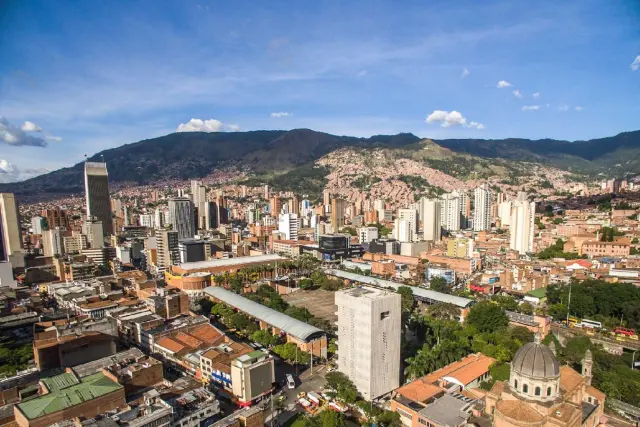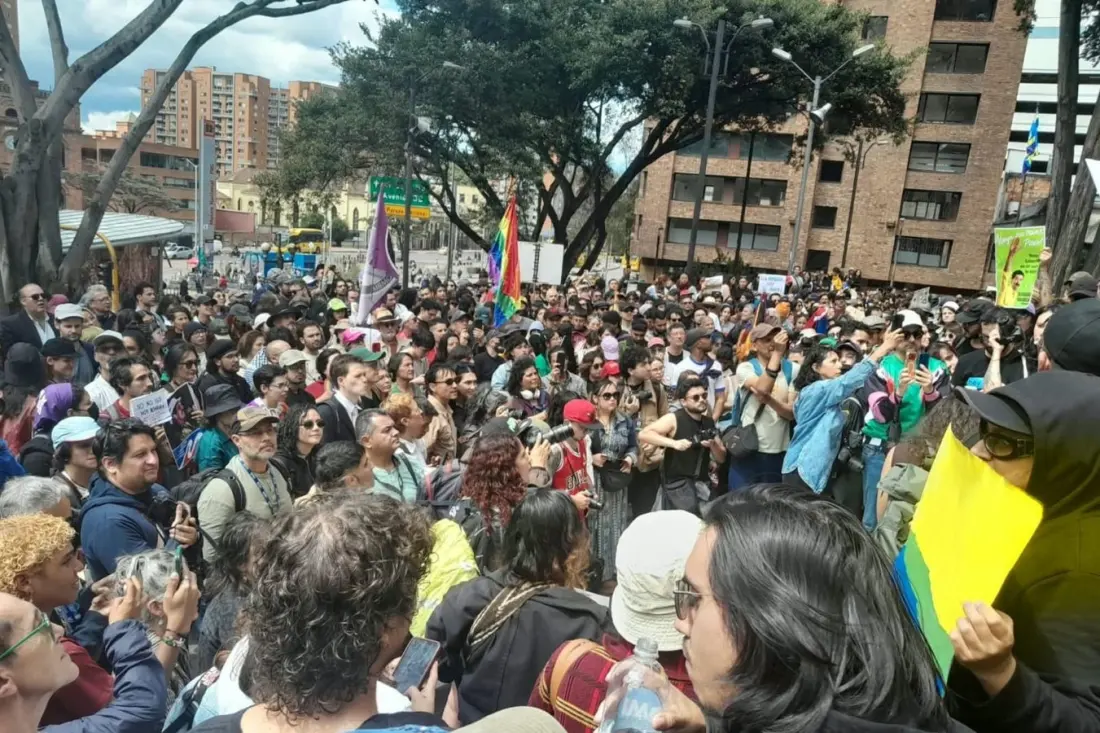
Colombia is seeing another day of nationwide strikes on Thursday, November 19, the second since President Abelardo De la Espriella took office a little over three months ago. Marches are planned in Bogotá, Medellín, Cali, Barranquilla and Bucaramanga, with further rallies possible in other cities.
The protests target the government's Economic Rescue Bill, submitted to Congress on October 29. Unions and opposition groups say the package dumps the cost of fixing the country's fiscal deficit onto ordinary workers. The government did back down on one flashpoint — a plan to raise VAT on certain basic foods from 5% to 19% — but organisers say the rest of the bill still goes too far. It would lower the income threshold at which people start paying tax, add a 9% marginal bracket, limit deductions, and lift health insurance contributions from 4% to 8% for some workers. Corporate tax, meanwhile, is set to fall gradually from 35% to 31% by 2028, which unions read as favourable treatment for big business. There's also anger over provisions the Central Unitary Workers' Union (CUT) believes could open the door to privatising state companies like Ecopetrol, Cenit and Grupo Bicentenario.
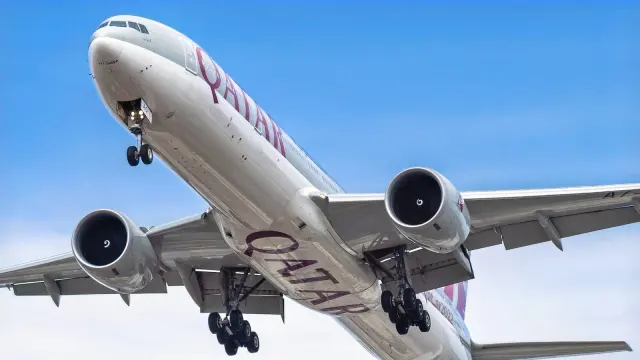
For travellers already in Colombia or arriving this week, the practical picture matters more than the politics. The US Embassy in Bogotá warned on Wednesday that large demonstrations have sometimes led to clashes between protesters and security forces, and that marches can cause significant traffic delays, temporary road closures and disruptions to public transport — Bogotá's TransMilenio system included. Even if you're nowhere near a rally, blocked roads can affect airport transfers and intercity bus routes.
If you're on the ground Thursday, check your route before setting out, allow extra time to reach the airport, and steer clear of large crowds — not because violence is guaranteed, but because previous big mobilisations have occasionally turned confrontational. Expect closures around main squares and government buildings in the five cities named, where the biggest marches are concentrated.
The bigger context: opposition figures including the Historic Pact and former President Gustavo Petro back the protests, while De la Espriella accuses his predecessors of creating the deficit in the first place. The bill still has to clear Congress and could change, but unions have been clear that pulling the food VAT isn't enough — they want the whole reform blocked. With the first strike on October 14 and another now, economic policy friction is clearly going to define this administration's early months, so more protest days are plausible. Anyone travelling to Colombia in the coming months should keep an eye on local news and embassy updates around major political dates.
Bottom line: tourism hubs like Cartagena and the coffee region are mostly unaffected by these one-day strikes, but city-centre movement on strike days can be slow or disrupted. Build in buffer time, follow local advice, and you'll barely notice — Colombia remains very much open for business.