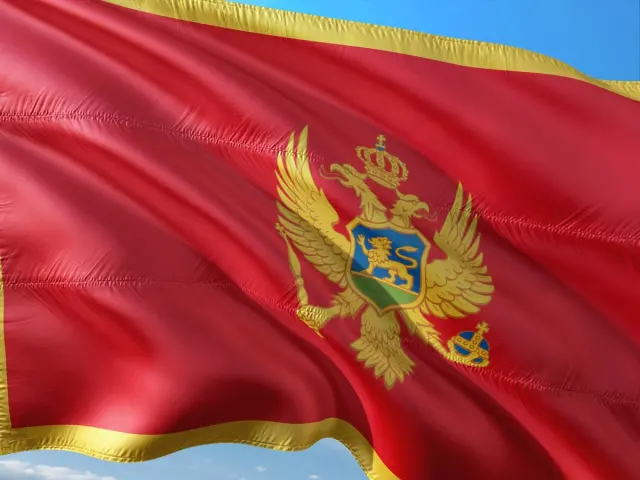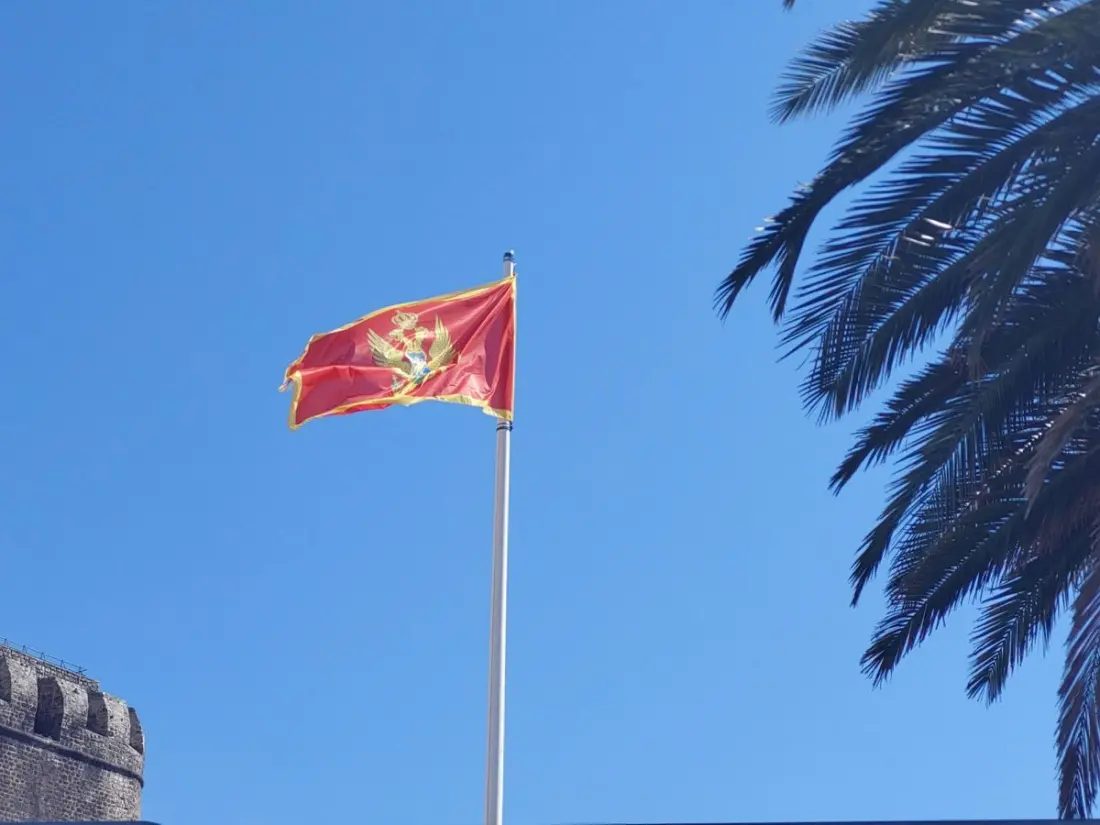
Montenegro is closer than any country has been in years to joining the EU — but one of its 27 future partners holds a veto-shaped key. EU Enlargement Commissioner Marta Kos put it plainly this week: without Croatian consent, there can be no progress, even though the two countries' thorny bilateral issues sit outside the formal negotiating framework.
Brussels still sees a realistic finish line. Kos called signing an accession treaty by summer 2027 achievable, with Montenegro joining as the 28th member state in 2028. She praised the pace of the past three years as something that "happens once in a lifetime" in enlargement terms, while stressing that every candidate needs unanimous political backing from all member states — and Croatia is speaking openly about its own interests. Dialogue between Podgorica and Zagreb is ongoing, and Kos said recent steps suggest the outstanding issues are being addressed.
Domestically, Montenegro's parliament passed constitutional changes on the integrity screening of government nominees, a move Kos said brings the country closer to closing Chapter 23 — the rule-of-law chapter that has historically been the hardest gate. But the story isn't friction-free: Parliament Speaker Andrija Mandić drew criticism for condoling with the family of convicted war criminal Ratko Mladić. Kos was blunt that the EU has no place for glorifying war criminals, though she noted only parliament can choose its own leadership, framing reconciliation as a core European value.
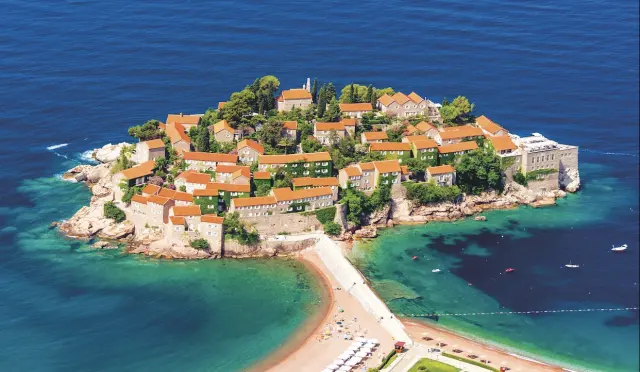
The diplomatic spotlight is landing on Montenegro's coast, too. The Berlin Process summit is heading to Budva, following June's gathering in Tivat that drew French President Emmanuel Macron for the first time; the German Chancellor is expected this time. Kos argued each high-profile visit strengthens the country's international standing and its European trajectory.
For travellers, this matters in practical ways. Membership in 2028 would eventually mean Schengen access — no border queues when crossing from Croatia, a detail that anyone who has sat in the Karasovići–Debeli Brijeg traffic on a July Saturday will appreciate immediately. Even now, Montenegro is one of Europe's easiest Adriatic trips: it uses the euro, most EU nationals need no visa, and both Podgorica and Tivat airports have extensive summer connections. Dubrovnik airport, just across the Croatian border, is also a common gateway to the Bay of Kotor.
If you're eyeing the coast before the EU-flag-waving begins, the calmer months of May, June and September deliver warm sea without the peak-season crush. Budva and Tivat getting summit-level attention may also bring infrastructure and flight upgrades over the next couple of years — another reason to watch how the 2028 accession path unfolds.
One watch-point: the Croatia–Montenegro disputes remain unresolved, so border procedures on the Adriatic route won't change until accession is actually signed and ratified. In the meantime, the country remains in the Schengen visa-free regime for short stays, and entry with just a passport or ID card (for many European nationalities) is straightforward.