
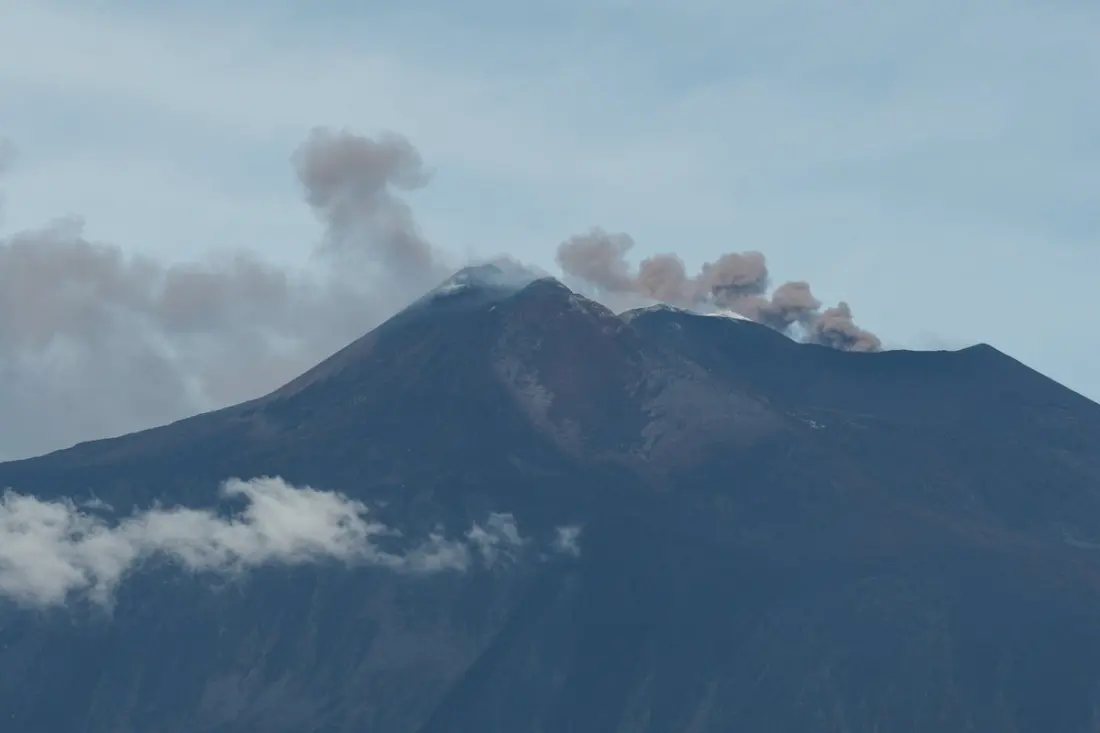
Sicily's main airport grounded flights yet again on Monday as ash from Mount Etna drifted across the runways, the latest in a summer of repeated disruption at one of Italy's busiest travel hubs.
Catania airport, the country's fifth-busiest by passenger numbers, suspended all arrivals until 4pm local time, according to operator SAC. The closure came at the worst possible moment for holidaymakers: it coincided with Ferragosto, the mid-August holiday when millions of Italians head to the coast and the island is packed with peak-season visitors.
This isn't a one-off. In July, ash forced the airport to close for five straight days — its longest emergency shutdown since 2002. Between 6 and 12 August, 36 per cent of the nearly 2,000 flights due to land in Catania were cancelled, and more than 600 were diverted to other airports including Palermo, Trapani, Comiso and Lamezia Terme. Light ash has even drifted as far as Malta and northern Africa on northerly winds.
Experts say this summer's pattern is unusual. Etna — Europe's largest and most active volcano — erupts often enough that short interruptions are routine, but the ash emission from its summit has been unusually persistent. Boris Behncke of the National Institute of Geophysics and Volcanology's Etna Observatory explained the danger plainly: volcanic ash can be sucked into aircraft engines and cause them to stall, which is why airlines take no chances and simply stop flying.
The knock-on effects have hit travellers in the wallet, too. With passengers rerouted and stranded, local taxi fares and car rental prices spiked, prompting Italian consumer group Codacons to lodge a complaint with the competition authority over price gouging.
If you're flying to eastern Sicily this summer, build slack into your plans. Check your flight status the morning of travel, know your airline's rebooking policy, and consider whether an alternative airport — Palermo on the north coast, or the smaller Comiso and Trapani hubs — could work as a backup. Keep some cash aside for higher-than-usual ground transport costs if things go sideways, and push back on any fare that looks exploitative: Italian authorities are already taking complaints seriously. Travel insurance that covers volcanic disruption is worth a look, and if you're booking late-summer trips, aim for flexible or refundable rates. The flip side: Etna's activity doesn't make Sicily off-limits. The volcano is a headline attraction in its own right, and most disruptions are measured in hours or days, not weeks — most travellers just need a plan B and a bit of patience.