Ankara has a fresh landmark with a cultural slant. On October 29, leaders of the Organization of Turkic States opened the Avenue of the Turkic World in the Turkish capital, timed to the run-up to the organization's 13th summit. Kazakh President Kassym-Jomart Tokayev joined his counterparts from across the Turkic-speaking world for the ceremony, and the avenue is designed as a walkable showcase of the member states' shared heritage.
Six national pavilions line the space, representing Türkiye, Azerbaijan, Kazakhstan, Kyrgyzstan, Uzbekistan and Turkmenistan. Each one puts its country's traditions on display, so a visitor can move from one pavilion to the next and get a quick, curated sense of cultures that span from the Mediterranean to the borders of China.
The Kazakh pavilion drew particular attention. Its centrepiece is a traditional yurt, presented as a symbol of the Great Steppe and the nomadic roots the Turkic peoples share. Inside, the displays reach back centuries: exhibits on the ancient Saka civilisation, traditional Kazakh life built around nature, and the country's contemporary identity. A sculpture of a Saka Hunter nods to Kazakhstan's famous hunting traditions with birds of prey and tazy sighthounds, while reproductions of the Orkhon inscriptions, among the oldest known written records of Turkic languages, anchor the historical narrative.
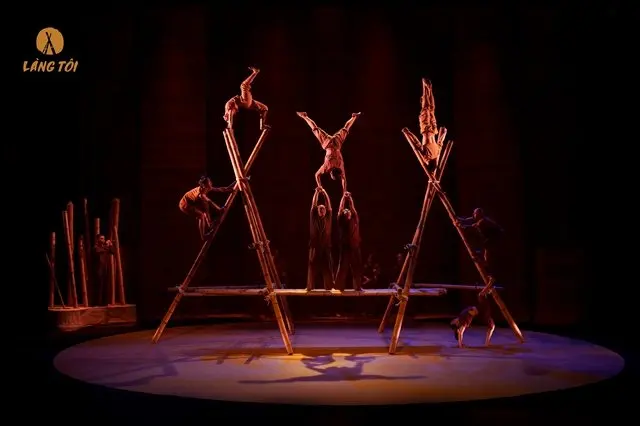
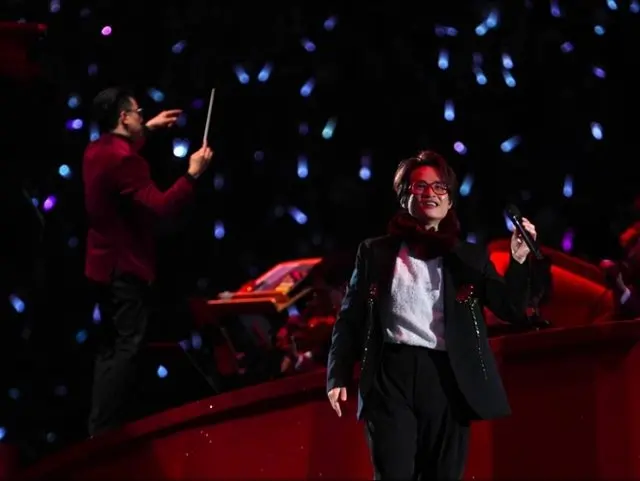
The opening itself doubled as a cultural festival. Leaders planted trees along the avenue, and the evening programme featured the Turkic World ensemble and the Presidential Symphony Orchestra performing works from all member states, plus traditional dance. Two big names took the stage: Turkish singer Kıraç and Kazakh superstar Dimash Qudaibergen, a People's Artist of Kazakhstan with a devoted international following.
For travellers, the significance is simple: Ankara already has plenty of serious museums, including the Museum of Anatolian Civilizations, and the Avenue of the Turkic World adds a free-form, open-air way to sample the cultures of Central Asia and the Caucasus without leaving Türkiye. If the pavilions whet your appetite for the real thing, they work as a preview — the yurt exhibit essentially condenses what you'd find at steppe heritage sites in Kazakhstan, and the Orkhon inscriptions point you toward Mongolia's and Central Asia's ancient stone markers.
The timing also matters for visitors. With the Turkic states visibly investing in shared cultural projects, routes between Türkiye and cities like Astana, Tashkent, Bishkek and Baku are becoming easier and more culturally connected, which is good news for anyone plotting a multi-country trip along the old steppe corridors.
Whether the avenue becomes a lasting attraction or mostly a ceremonial space remains to be seen, but its opening on a national holiday date in Türkiye suggests Ankara intends it as a fixture. Anyone passing through the Turkish capital with an interest in the wider Turkic world now has one more reason to linger.