A bill moving through the US Senate could make it far harder to undo mining, drilling and logging approvals on some of America's most iconic outdoor landscapes — and conservation groups are sounding the alarm.
The Bipartisan American Affordability and Jobs Act of 2026, co-sponsored by Senators Shelley Moore Capito, Mike Lee, Martin Heinrich and Sheldon Whitehouse, aims to accelerate energy and infrastructure projects by streamlining federal permitting. Supporters say it will cut energy costs, give developers regulatory certainty and smooth the path for clean energy buildout. Critics, including outdoor recreation advocacy group Outdoor Alliance, argue it narrows environmental reviews under the National Environmental Policy Act, the Clean Water Act and the Endangered Species Act — and, crucially, that its "project certainty" provisions would prevent future administrations from revisiting or revoking approved permits.
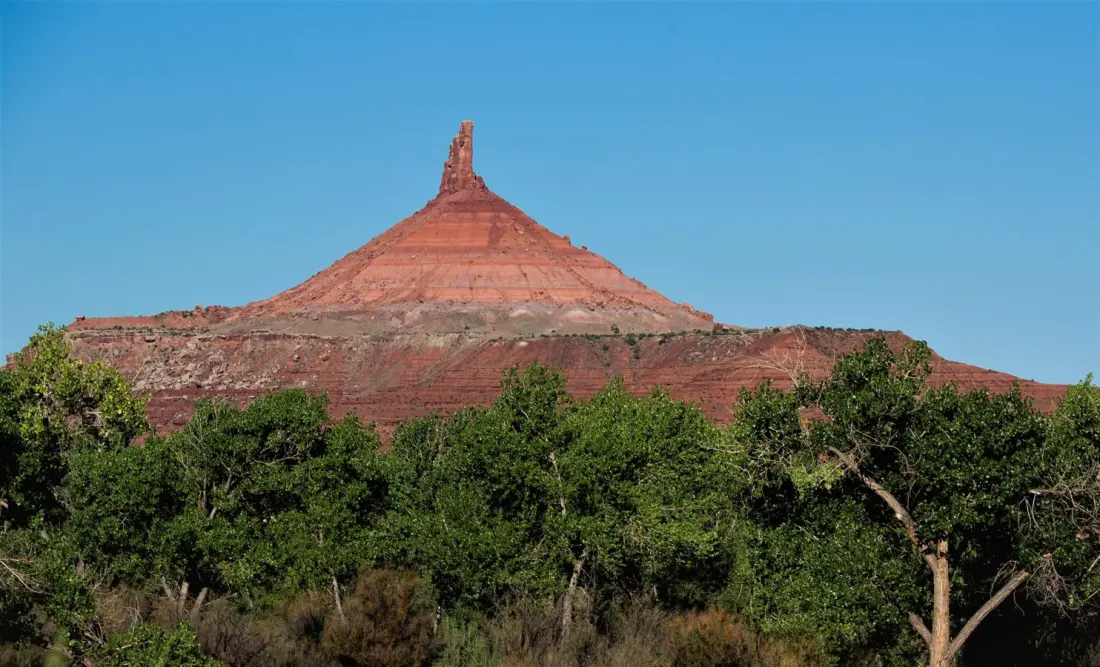
What does that mean on the ground? The Center for Western Priorities, working with Earthworks, has mapped dozens of public-land areas that could be affected. The list reads like a hiker's and paddler's bucket list: Bears Ears National Monument in Utah, the Boundary Waters Canoe Area Wilderness in Minnesota, and Alaska's Tongass National Forest. Bears Ears is the starkest example — more than 110 mining claims have been filed there since the monument's boundaries were reduced, and the group warns that any mining plans approved now would be "nearly impossible to revoke" even if the original monument protections are restored later.
For travellers, the stakes are tangible. These are places people plan trips around years in advance: slot canyons and ancestral Puebloan sites at Bears Ears, multi-day canoe routes through the Boundary Waters' million-plus acres of linked lakes, and old-growth temperate rainforest in the Tongass. If permits get locked in for extractive projects, the character of those landscapes — and the recreation economy that depends on them — could change permanently, regardless of who holds power in Washington next.
The bill still has a way to go. If it passes the Senate, it returns to the House of Representatives. Conservation groups are encouraging the public to contact their representatives; Outdoor Alliance has set up an Action Alert to make that quick and easy. Whether you're a backpacker, paddler or road-tripper, if these places are on your list, now is the moment when their future is being decided.
Story via The Trek.